

One question comes up again and again on frustrating wash days: why does my hair get tangled so easily Frequent knots usually mean the strands need more slip, less friction, or gentler handling. Dryness and damage are common causes, but your hair texture, washing technique, clothing, and even the way you sleep can also play a part.
- Why Hair Becomes Tangled
- What the Location of Your Knots May Reveal
- Why Does My Hair Tangle So Easily? 8 Common Causes
- 1. The Lengths Are Dry
- 2. The Hair Cuticle Is Damaged
- 3. Split Ends Keep Catching
- 4. Your Texture Is Naturally Prone to Knots
- 5. Your Hair Is Rubbing Against Fabric
- 6. Your Washing Technique Is Creating Tangles
- 7. Shed Hair Is Staying Trapped
- 8. Buildup Is Making the Hair Sticky or Stiff
- Why Hair Tangles Immediately After Brushing
- How to Detangle Hair Without Breakage
- How to Prevent Hair From Tangling
- What Is the Best Treatment for Tangled Hair?
- When Sudden Tangling Needs More Attention
- Frequently Asked Questions
- Why is my hair always tangled at the back?
- Why does my hair knot more as it gets longer?
- Why is my hair tangled after washing?
- Can split ends make the rest of my hair tangle?
- Can sleeping with wet hair cause tangles?
- Final Takeaway
The pattern of tangling often reveals more than the knot itself. Rough ends point toward wear and split ends, while knots at the nape are more likely to come from friction. Hair that tangles as soon as it dries may need a different conditioning or styling routine.
Why Hair Becomes Tangled
A tangle forms when strands cross, twist, and catch on one another. Smooth hair tends to slide apart more easily. When its surface becomes rough from dryness, weathering, chemical processing, or repeated heat styling, neighboring strands have more opportunities to snag.
Long hair is especially vulnerable because its ends are older and have experienced more washing and styling. Fine strands can form tiny, tight knots. Curly and coily strands naturally intersect, while shed hairs may remain caught within the curl pattern instead of falling away.
What the Location of Your Knots May Reveal
| Where or when tangles appear | What may be contributing |
|---|---|
| Mainly at the ends | Dryness, weathering, or split ends |
| At the nape of the neck | Friction from collars, scarves, or pillows |
| Right after washing | Rough shampooing or too little conditioner |
| Soon after brushing | Wind, static, or friction |
| Throughout processed hair | Increased porosity and cuticle damage |
This isn’t a diagnostic test, but it can help you make a useful change instead of treating every knot the same way.
Why Does My Hair Tangle So Easily? 8 Common Causes
1. The Lengths Are Dry
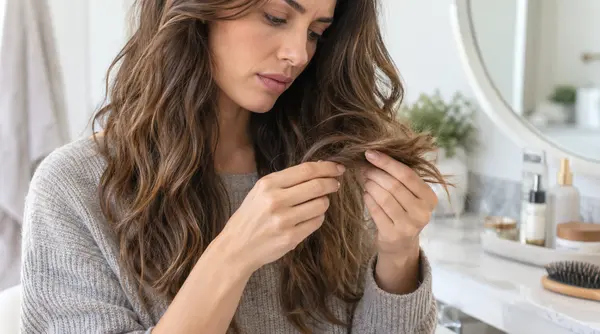
Dry hair has less slip, so strands rub together rather than separating cleanly. The ends usually feel roughest because they have experienced the most wear.
You may notice dullness, stiffness after shampooing, or puffiness as the hair dries. Start by applying rinse-out conditioner from the mid-lengths to the ends. Give it a minute or two to soften the hair before combing through it.
2. The Hair Cuticle Is Damaged
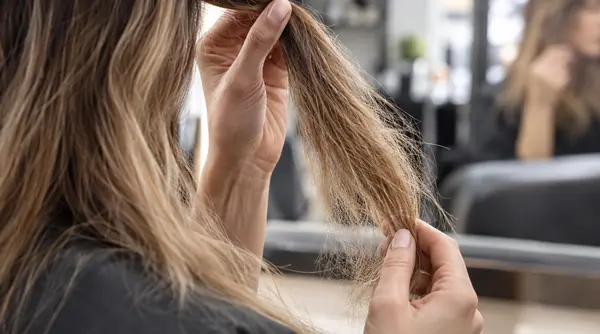
The cuticle forms the protective outer surface of each strand. Bleach, permanent color, relaxers, high heat, and forceful brushing can make that surface uneven, causing strands to catch against one another.
Porosity describes how readily hair takes in and loses water and is influenced by the condition of the cuticle. It can vary along a single strand, which helps explain why older ends may behave differently from newer growth. The New York Society of Cosmetic Chemists’ overview of hair porosity explains this relationship in more detail.
Conditioners can temporarily improve smoothness and manageability, but preventing further damage matters just as much as adding another treatment.
3. Split Ends Keep Catching
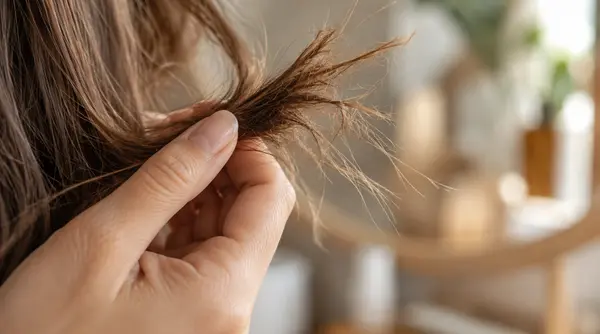
Split ends may appear as white dots, tiny branches, thin sections, or a rough, uneven perimeter. Once those worn ends start hooking around nearby strands, brushing provides only temporary relief.
A serum or leave-in conditioner may make them feel smoother for the day. If the same bottom section keeps knotting, a modest trim is usually more effective than repeatedly coating severely split ends.
4. Your Texture Is Naturally Prone to Knots
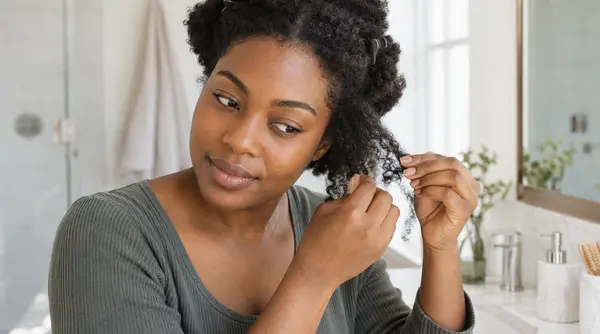
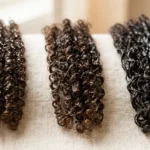
Fine hair is lightweight and can twist into compact knots. Curly and coily hair has bends where strands meet, while dense hair creates more opportunities for strands to overlap.
Aggressive brushing isn’t the answer. Work in sections, use enough slip, and keep each finished section separate with a loose twist or braid.
5. Your Hair Is Rubbing Against Fabric

If the worst knots sit underneath your hair, friction may be responsible. Coat collars, hoodies, scarves, towels, pillowcases, and car seats repeatedly move against the nape.
Wear long hair in a loose braid while sleeping, traveling, or spending time in windy weather. Use a soft, snag-free hair tie and keep the style comfortable. A tight protective style can create tension and breakage of its own.
6. Your Washing Technique Is Creating Tangles
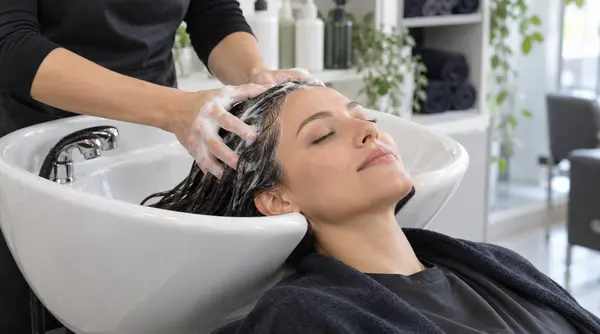
Piling the lengths on top of your head and scrubbing them in circles creates knots before conditioner has a chance to help. Concentrate shampoo on the scalp and let the lengths hang downward. As you rinse, the lather will travel through the rest of the hair without rough rubbing.
Follow with enough conditioner to coat the areas that usually tangle. On dense hair, applying it in sections gives better coverage than smoothing a small amount over the outside.
7. Shed Hair Is Staying Trapped
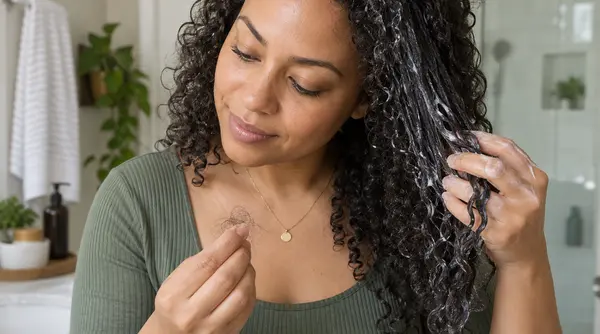
Naturally shed strands don’t always fall away immediately. They can stay wrapped around attached hairs, particularly in curly, coily, braided, or infrequently brushed styles. Several trapped strands may then release together during wash day and form a larger knot.
Regular, gentle detangling removes shed strands before they become tightly wrapped. The right frequency depends on your texture and hairstyle.
8. Buildup Is Making the Hair Sticky or Stiff

Dry shampoo, hairspray, creams, oils, and excess styling product can accumulate on the hair. Strands may begin to feel coated, waxy, stiff, or unusually difficult to separate.
If normal shampoo no longer leaves the hair feeling clean, occasional clarifying may help. Choose a suitable cleanser, follow its directions, and condition afterward.
Why Hair Tangles Immediately After Brushing
Brushing clears existing knots but doesn’t address what’s creating them. If the ends still feel rough afterward, focus on conditioning and trimming. If smooth hair knots at the nape later, reducing friction will probably help more than another brushing session. A lightweight leave-in conditioner may also help fine hair affected by static.
How to Detangle Hair Without Breakage
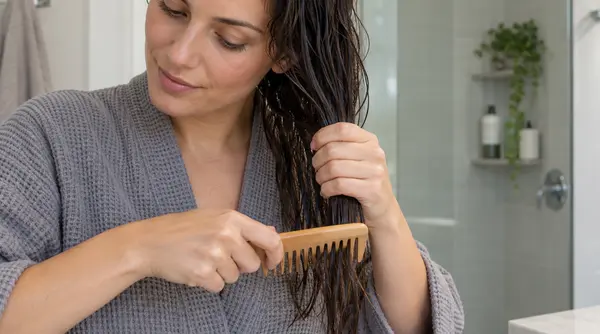
Trying to pull through a knot in one stroke often tightens it. This slower method is usually gentler:
- Divide the hair into sections. Four sections work for many people, though dense hair may need more.
- Add slip. Apply a detangling conditioner, leave-in spray, or another product that makes the hair easy to separate.
- Use your fingers first. Loosen large knots from the outside rather than pulling apart the center.
- Begin at the ends. Clear the lowest few inches before moving toward the roots.
- Support the section. Hold the hair above the knot to reduce pulling at the scalp.
- Use a suitable tool. A wide-tooth comb or flexible detangling brush is easier to control than a fine-tooth comb.
- Secure finished sections. A loose twist or braid stops cleared hair from tangling again.
When the tool stops, don’t force it. Remove it, add more slip if needed, and return to the knot with your fingers.
How to Prevent Hair From Tangling
- Clean the scalp without piling up or scrubbing the lengths.
- Use conditioner after shampooing and distribute it evenly.
- Apply a lightweight leave-in product to knot-prone areas.
- Blot wet hair with a microfiber towel or soft cotton T-shirt instead of rubbing it.
- Protect long hair with a loose braid during sleep, travel, or windy weather.
- Limit repeated passes with flat irons and curling tools.
- Keep brushes and combs free of shed hair and product residue.
- Trim worn ends when they repeatedly catch despite conditioning.
Oil can make some hair feel smoother, but more isn’t always better. Apply a small amount to the ends if they respond well, and stop adding layers if the hair begins to feel sticky or coated.
What Is the Best Treatment for Tangled Hair?
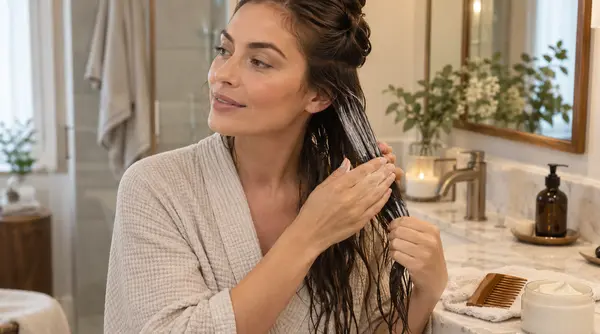
The best treatment depends on the cause. Dry hair may need a richer rinse-out conditioner, while fine hair may prefer a lightweight detangling spray. Bleached or heat-damaged hair needs conditioning alongside less heat and gentler styling. Choose a product that provides slip without making the hair sticky or stiff. If knots remain concentrated around split, thinning ends, a trim may be the most practical answer.
When Sudden Tangling Needs More Attention
Speak with an experienced stylist if severe tangling began after bleaching, relaxing, or another chemical service. Consider consulting a dermatologist or healthcare professional if the change appears with unusual shedding, bald patches, scalp pain, sores, heavy scaling, or persistent itching.
Don’t pull or cut at a tightly matted area in frustration. Saturating it with a slippery conditioner and working from the outside may help, but extensive matting may require professional assistance to limit avoidable breakage.
Frequently Asked Questions
Why is my hair always tangled at the back?
The back of your hair rubs against pillows, clothing, and seats. This friction can create recurring knots at the nape. A loose braid and a little leave-in conditioner may help.
Why does my hair knot more as it gets longer?
Long hair has more opportunity to cross and wrap around other strands. Its ends are also older and usually more weathered. Conditioning, low-friction styles, and timely trims can make it easier to manage.
Why is my hair tangled after washing?
Rubbing the lengths together, skipping conditioner, or trying to comb without enough slip can all cause post-wash knots. Keep the lengths hanging down while shampooing and condition the sections that tangle most.
Can split ends make the rest of my hair tangle?
Yes. Rough or divided ends can hook around nearby strands and create larger knots. Smoothing products may help temporarily, but trimming is the only way to remove an existing split end.
Can sleeping with wet hair cause tangles?
It can. Wet hair may shift and rub against the pillow for hours, leaving it knotted by morning. Let it dry as much as practical and place longer hair in a loose braid before bed.
Final Takeaway
Understanding why your hair tangles so easily starts with noticing the pattern. Knots at the ends often point to dryness or damage, while tangles at the nape are commonly linked to friction. If hair tangles immediately after brushing, the brush may be clearing the symptom without addressing the cause.
Begin with the basics: use enough conditioner, detangle from the ends upward, protect the hair from friction, and trim ends that remain rough and split. These small adjustments can make everyday haircare much easier.