
A Japanese scalp treatment combines cleansing, massage, and conditioning to refresh the scalp and soften hair. It may leave your roots feeling lighter and your wash day more relaxing. But despite the hair growth claims attached to some head spa services, evidence that the treatment produces new hair or speeds growth is limited.
- What Is a Japanese Head Spa?
- 5 Japanese Scalp Treatment Benefits to Consider
- 1. It Can Remove Product Buildup and Excess Oil
- 2. Conditioning Can Make Hair Easier to Detangle
- 3. Gentler Handling Can Help You Retain Length
- 4. The Massage May Feel Relaxing
- 5. It Can Give You a More Useful Scalp Care Routine
- Does a Japanese Head Spa Help Hair Growth?
- What to Ask Before Booking
- How Much Does a Japanese Head Spa Cost?
- How to Try a Japanese Scalp Treatment at Home
- Frequently Asked Questions
- How often should you get a Japanese head spa?
- Can you book one if you have dandruff?
- Is it suitable for curly or coily hair?
- Can a Japanese scalp treatment damage colored hair?
- Is some hair in the basin a sign the treatment caused hair loss?
- Is It Worth Trying?
That distinction matters if you’re deciding whether to book an appointment. A relaxing treatment with cleaner roots can be worth paying for. A promise to reverse thinning needs much stronger evidence.
What Is a Japanese Head Spa?
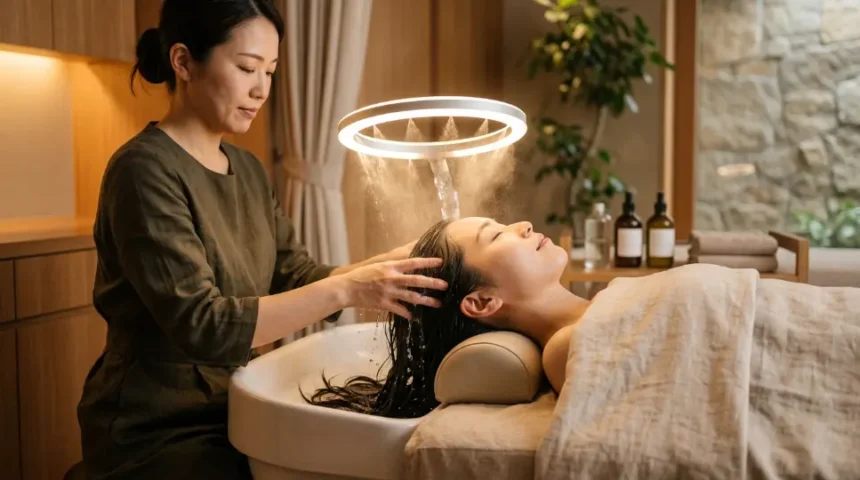
A Japanese head spa is a salon service built around scalp care and massage. Depending on the provider, an appointment may include a consultation, magnified scalp images, shampooing, a conditioning treatment, and an extended rinse.
Some salons add steam, a waterfall-style rinse, or neck and shoulder massage. There isn’t one universal treatment sequence, so ask what the actual service includes. For example, The Head Spa Sanctuary’s menu distinguishes services with scalp evaluations from a simpler cleansing and relaxation appointment.
The dramatic equipment isn’t what determines whether the treatment suits you. Product choice, gentle handling, and a provider who listens to your scalp concerns matter more.
5 Japanese Scalp Treatment Benefits to Consider
These are practical hair and scalp care benefits. They shouldn’t be presented as five proven ways to grow new hair.
1. It Can Remove Product Buildup and Excess Oil
Dry shampoo, styling products, and oil can leave roots feeling coated. Thorough scalp cleansing can remove that residue and make hair feel fresher.
The American Academy of Dermatology recommends concentrating shampoo on the scalp to wash away accumulated products, dead skin, and excess oil without unnecessarily drying the lengths. A head spa can provide that careful wash, although ordinary shampooing can do the same job. AAD healthy hair tips
If your scalp feels tight or stings afterward, don’t interpret that as proof of a successful “deep clean.” Tell the provider. Stronger cleansing isn’t automatically better.
2. Conditioning Can Make Hair Easier to Detangle
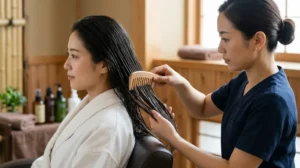
A scalp appointment may also include conditioner or a hair mask. This part of the service treats the hair you already have, particularly lengths that feel rough or knot easily.
Conditioner helps with manageability, while gentle detangling reduces unnecessary pulling. For fine, straight hair, concentrating conditioner toward the ends can avoid weighing down the roots. Dry or curly hair may need it throughout the lengths.
This benefit depends on the products and handling. A rushed comb-through can undermine an otherwise comfortable appointment.
3. Gentler Handling Can Help You Retain Length
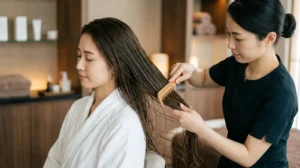
Growing longer hair also means protecting the ends from breaking off. If your hair keeps snapping, it may appear to stay the same length even as new growth comes through.
A treatment that includes suitable conditioning, careful detangling, and gentle drying can support that goal. The AAD recommends moisturizing conditioner and, when appropriate, a leave-in conditioner or detangler to help reduce breakage.
One appointment won’t permanently fix damaged lengths. The useful part is carrying those gentler habits into your regular routine.
4. The Massage May Feel Relaxing
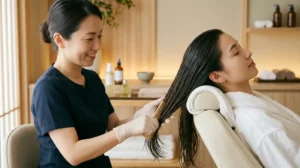
For someone who enjoys having their hair washed, an unhurried Japanese scalp massage may be the main reason to book.
You can ask for lighter pressure, less fragrance, or a quieter appointment. You don’t need to tolerate vigorous rubbing to get value from the service.
Keep the expectation personal and immediate: you may enjoy the experience and feel relaxed afterward. That feeling doesn’t demonstrate a change in hair growth, and a tingling scalp isn’t evidence that follicles have been “activated.”
5. It Can Give You a More Useful Scalp Care Routine
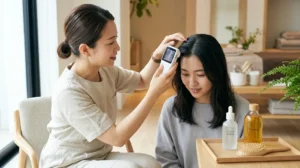
A good consultation creates time to discuss things a quick haircut appointment might miss: how often you wash, whether dry shampoo has replaced cleansing, and which products leave your scalp uncomfortable.
Come prepared with specific examples. “My roots feel coated the day after washing” is more useful than “I need a detox.”
A scalp camera may help illustrate visible residue, but it shouldn’t become a reason to buy an expensive growth package. Ask what the provider recommends changing at home and why. A useful answer may be as simple as adjusting your washing technique.
Does a Japanese Head Spa Help Hair Growth?
There isn’t strong clinical evidence that a Japanese head spa makes hair grow faster or reliably reverses thinning.
One small 2016 study followed nine healthy men who used a scalp massage device for four minutes daily over 24 weeks. Researchers reported increased hair thickness compared with the starting measurement. However, thickness did not differ significantly between the massaged and control areas, and hair growth rate did not significantly improve. Scalp massage study published in Eplasty
The study also tested a specific daily massage routine, not a full salon head spa treatment. Its findings can’t establish that occasional appointments will regrow hair.
When comparing Japanese scalp treatment benefits, separate these outcomes:
| What you notice | What it tells you |
|---|---|
| Cleaner-feeling roots | Surface oil or residue may have been removed |
| Softer, easier-to-comb lengths | Conditioning improved how existing hair feels |
| More volume after drying | The finished style looks fuller |
| New hair growth | Requires assessment over time; it cannot be confirmed immediately after a wash |
If your part is widening or you’re developing bald patches, finding the cause is more useful than buying repeated spa sessions. A dermatologist can assess hair loss and discuss suitable treatment.
What to Ask Before Booking
The right appointment should fit your hair texture, scalp comfort, and budget.
Ask these questions before paying:
- Do you work with my hair type? Mention curls, coils, extensions, or fragile bleached lengths.
- Can you adjust the products? Share known sensitivities and any prescribed scalp treatments.
- How much of the appointment is massage? A 75-minute booking may include consultation and drying time.
- Is drying included? Check whether you leave with dry hair or need to book a separate finish.
- Can I skip extras? Steam, fragrance, scrubs, and essential oils aren’t requirements for a useful wash.
During the service, speak up if the pressure pulls your hair or the water feels too hot. Comfort should guide the treatment.
How Much Does a Japanese Head Spa Cost?

Japanese head spa cost varies by location, duration, and included services. Check the individual menu instead of assuming every appointment includes the same steps.
As pricing examples checked in September 2026, The Head Spa Sanctuary in Charlotte lists a 75-minute Japanese head spa at $220 and a 100-minute appointment at $275. Pure Hair Spa in Mountain View lists regular sessions from $199 for 60 minutes to $399 for 90 minutes. These are examples from two providers, not a national average.
Ask about drying charges, add-ons, and gratuity before booking. If you mainly want cleaner roots, improving your home washing routine is a less expensive place to start.
How to Try a Japanese Scalp Treatment at Home
You can borrow the gentle cleansing and massage elements without recreating salon equipment.
- Wet your scalp thoroughly. Use comfortably warm water and take time to reach beneath dense hair.
- Apply shampoo mainly to the scalp. Work through sections if that helps you distribute it evenly.
- Use your finger pads gently. Make small, comfortable movements. Avoid scratching with nails or dragging the hair around.
- Rinse carefully. Pay attention to the crown, behind the ears, and the nape.
- Condition the lengths. Follow the product directions and detangle without forcing through knots.
- Dry with care. Blot rather than rub vigorously, and limit excessive heat.
These steps follow the same basic principles of scalp-focused washing and gentle handling recommended in the AAD’s healthy hair guidance.
You don’t need to add a scrub or several new products. Start with products you already tolerate. For more everyday routine guidance, explore The Serenity Lab’s haircare guides.
Frequently Asked Questions
How often should you get a Japanese head spa?
There’s no established appointment schedule for hair growth. Treat it as an optional service based on your enjoyment, budget, and scalp tolerance. Continue your regular cleansing routine between visits.
Can you book one if you have dandruff?
Ask about the products first. A cosmetic wash may remove loose flakes, but persistent dandruff may need targeted care. If your scalp is inflamed, painful, or repeatedly irritated, get professional advice before booking exfoliation or intensive massage.
Is it suitable for curly or coily hair?
It can be, provided the salon knows how to handle your texture. Ask about sectioning, detangling, conditioning, and drying. Explain any preferences before the service starts.
Can a Japanese scalp treatment damage colored hair?
The answer depends on the products used. Tell the salon when your hair was colored and ask whether its cleansing steps suit your color service. Check with your colorist if you’ve recently had bleach, a chemical straightening treatment, or another service with specific aftercare.
Is some hair in the basin a sign the treatment caused hair loss?
Not necessarily. Washing can release hairs that have already shed. However, painful pulling, obvious snapping, or a continuing increase in shedding deserves attention. Persistent hair loss should be assessed rather than dismissed as “detoxing.”
Is It Worth Trying?
A Japanese scalp treatment can be worth booking for careful cleansing, conditioning, and a massage you enjoy. Choose a provider who handles your hair gently and gives realistic advice. If hair growth is your main concern, put finding the cause of thinning ahead of paying for a spa package.