

If you finish rinsing and wonder, why does my face feel tight after washing it. start with what happens at the sink. Cleansing can remove more oil than your skin comfortably tolerates, leaving its surface dry and less flexible. Hot water, repeated washing, and irritating products can make that pulled feeling worse.
- Why Does My Face Feel Tight After Washing It?
- 6 Common Reasons Your Face Feels Tight
- 1. Your Cleanser Is Too Drying for Your Skin
- 2. The Water Is Too Hot
- 3. You’re Washing or Scrubbing Too Much
- 4. Other Products Have Made Your Skin More Sensitive
- 5. You’re Rubbing Your Face Dry
- 6. Your Skin Needs More Moisture After Cleansing
- What to Do When Your Face Feels Tight
- A Simple Routine for the Next Few Days
- When Tight Skin Needs a Closer Look
- Comfortable Skin Is the Goal
- Frequently Asked Questions
You might notice it most when you smile, or find yourself reaching for moisturizer before you’ve even put the towel down. That feeling deserves a small change in your routine. It isn’t a measure of how well you’ve cleaned your face.
The first things to try: a gentle cleanser, lukewarm water, and moisturizer while your skin is still slightly damp. If tightness comes with a rash, persistent burning, or swelling, don’t assume ordinary dryness explains everything.
Why Does My Face Feel Tight After Washing It?
The outermost layer of your skin needs enough water and a healthy balance of lipids to stay comfortable. Washing changes that surface environment. A cleanser that removes too much, or a washing routine that’s too vigorous, can leave skin feeling stiff as it dries.
Your face doesn’t have to look flaky for this to happen. Oily areas can still feel tight, and a product that suited you in humid weather may feel less comfortable when the air turns dry.
Look at the pattern before replacing your whole bathroom shelf. Does it happen with one cleanser, after a hot shower, or only since you added a new treatment? Those details are more useful than the word “hydrating” on a bottle.
| What you notice | What to review first |
|---|---|
| Tightness after one particular face wash | Cleanser strength, amount, and contact time |
| Discomfort after washing in the shower | Water temperature and time under the stream |
| Tight cheeks despite an oily forehead | Whether your cleanser is drying the cheeks |
| New stinging or peeling | Recent exfoliants, retinoids, or acne treatments |
| Itching, swelling, or a recurring rash | Possible irritation or another skin condition |
These clues can help you decide what to change, but they don’t diagnose the cause.
6 Common Reasons Your Face Feels Tight
1. Your Cleanser Is Too Drying for Your Skin

A face wash can remove sunscreen and everyday grime without leaving your cheeks squeaky. If the pulling starts after every wash, try a gentle, fragrance-free cleanser without exfoliating particles.
Foam alone doesn’t tell you whether a formula is harsh. Some foaming cleansers are mild, and some creamy products still irritate individual skin. Judge the result: your face should feel comfortable once you’ve rinsed and moisturized.
Also check how much you’re using. An extra pump and a longer massage aren’t automatically better cleaning.
2. The Water Is Too Hot

Washing your face under a hot shower can feel soothing in the moment and uncomfortable afterward. Turn the temperature down and keep your face out of the direct shower stream when you aren’t rinsing it.
Choose water that feels comfortably lukewarm. You don’t need a hot wash followed by an icy rinse, and cold water won’t undo irritation from scrubbing.
3. You’re Washing or Scrubbing Too Much
A morning cleanse, a lunchtime wash, and two cleansing steps at night can add up. If each wash leaves you uncomfortable, look at the total routine rather than blaming the last product you applied.
Use your fingertips and avoid brushes, rough washcloths, and scrub particles while skin feels sensitive. Cleanse after heavy sweating, but don’t repeatedly wash just because your forehead looks a little shiny.
Double cleansing can help remove stubborn makeup or water-resistant sunscreen. It doesn’t need to be an automatic two-step ritual when one gentle wash removes what you’re wearing.
4. Other Products Have Made Your Skin More Sensitive
The face wash may be where you notice the problem, even when something else started it. Think about a new exfoliating toner, stronger retinol, or an acne treatment you’ve begun using more often.
If a cosmetic product causes irritation, stop using it and simplify your routine. For prescription treatments, ask the prescriber how to adjust use. Don’t try to scrub away peeling skin or add another acid to smooth it.
Our guide to signs of a damaged skin barrier covers the broader pattern of dryness and sensitivity that can accompany tightness.
5. You’re Rubbing Your Face Dry

A towel should lift away water, not polish your face. Press a soft, clean towel lightly against your skin and stop while it still feels slightly damp.
If you enjoy the feeling of rubbing until your skin is completely dry, this is an easy habit to change before buying anything new. Avoid dragging the towel over areas that already sting or flake.
6. Your Skin Needs More Moisture After Cleansing
Even a suitable cleanser won’t replace leave-on moisturizer. Dry weather, indoor heating, and naturally dry skin can make the gap between washing and moisturizing more noticeable.
A lightweight lotion may suit you in summer but feel insufficient on your cheeks in winter. You can use a richer cream where you need it without coating every oily area in the same amount.
What to Do When Your Face Feels Tight
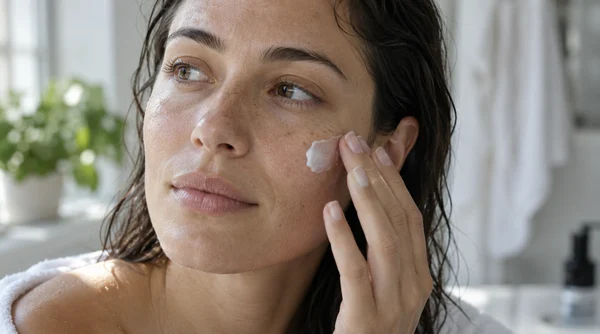
After rinsing, gently pat off excess water and apply a fragrance-free moisturizer to slightly damp skin. Spread it softly rather than repeatedly rubbing the same area. The American Academy of Dermatology includes this step in its dry-skin care advice.
A simple cream is a reasonable starting point for dry skin. Ingredients such as glycerin help hold water, while emollient and occlusive ingredients help soften the surface and reduce moisture loss. You don’t need a separate serum for every ingredient.
For the next few washes, keep the routine consistent enough to judge. Changing your cleanser, cream, toner, and serum at once makes it hard to know what helped or what caused new irritation.
- Remove makeup gently when needed.
- Wash with a mild cleanser and lukewarm water.
- Pat rather than rub.
- Apply a moisturizer your skin tolerates.
- Keep scrubs and optional exfoliating treatments out of the routine while irritated.
If moisturizer burns repeatedly, don’t keep layering it on. Rinse off a product that causes significant discomfort and review the reaction. Our article on why moisturizer can burn your face explains what else to consider.
A Simple Routine for the Next Few Days
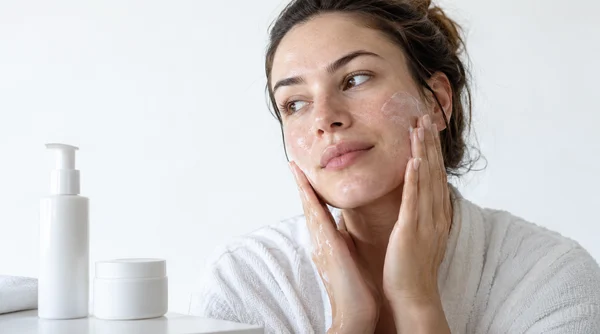
Keep the products familiar and the steps short. The goal is to finish washing without feeling that you immediately need to rescue your skin.
| When | What to do |
|---|---|
| Morning | Use a gentle cleanse suited to your skin, then moisturizer and broad-spectrum SPF 30 or higher. |
| Evening | Remove makeup or sunscreen, cleanse gently, and moisturize. |
| While skin is irritated | Avoid scrubs and optional exfoliants. Ask your prescriber about irritating prescription treatments. |
If your skin is dry and clean on waking, a lukewarm rinse may be enough for you in the morning. Oily skin or overnight product residue may call for a mild cleanser. Let comfort and effective cleansing guide the choice.
Keep sun protection in the routine. If your usual sunscreen stings, look for a fragrance-free option your skin tolerates and use shade and protective clothing too.
When Tight Skin Needs a Closer Look

Mild tightness that improves with gentler washing is different from skin that keeps burning, itching, or breaking out in a rash. If symptoms persist despite a simple routine, a dermatologist can check for contact dermatitis, eczema, or another cause.
Get medical advice sooner for cracked or weeping skin, significant pain, or irritation around your eyes. Sudden lip or tongue swelling or trouble breathing needs urgent emergency care.
There isn’t one reliable recovery timeline for everyone. Moisturizer may ease the feeling promptly, but ongoing irritation can take longer and may need treatment. Don’t keep testing new products on skin that is getting worse.
Comfortable Skin Is the Goal
The next time you ask, why does my face feel tight after washing it, so check the basics before adding another treatment. A less drying wash, cooler water, a softer touch, and timely moisturizer may be the changes your routine needs.
Your face should feel comfortable when you smile. If gentler care doesn’t get you there, or the tightness comes with persistent irritation, get the cause checked.
Frequently Asked Questions
Is Tight Skin After Washing a Sign That My Face Is Clean?
No. A cleanser should remove what needs washing away without leaving your skin uncomfortable. That squeaky feeling isn’t a cleaning target. If it happens regularly, review the cleanser and how you’re using it.
Why Does My Oily Skin Feel Tight After Cleansing?
Surface oil doesn’t guarantee comfortable, well-hydrated skin. A strong cleanser can dry your cheeks even while your forehead stays shiny. Try a gentler wash and a light moisturizer instead of repeatedly stripping away oil.
Can Washing With Just Water Make My Face Feel Tight?
Yes, especially if the water is hot or your skin is already dry or irritated. If plain lukewarm water still leaves you uncomfortable, consider the rest of your skincare routine and whether the symptoms need medical attention.
Should I Use a Toner Before Moisturizer?
You don’t have to. Toner is optional, and an exfoliating or astringent formula may make irritated skin less comfortable. Start with a cleanser and moisturizer that suit you before deciding whether another step adds anything useful.
How Do I Know Whether My Cleanser Is the Problem?
Notice whether tightness reliably follows that product and improves when you use a milder alternative. Keep other steps steady if they aren’t irritating. Stop a product that causes a clear reaction rather than repeatedly applying it to confirm your suspicion.
Our Editorial Approach
Beauty and self-care information should be clear and easy to use. Our goal is to help you understand your options and make more informed choices about your everyday routine.
Our articles are for educational purposes only and do not replace advice from a qualified healthcare professional.