
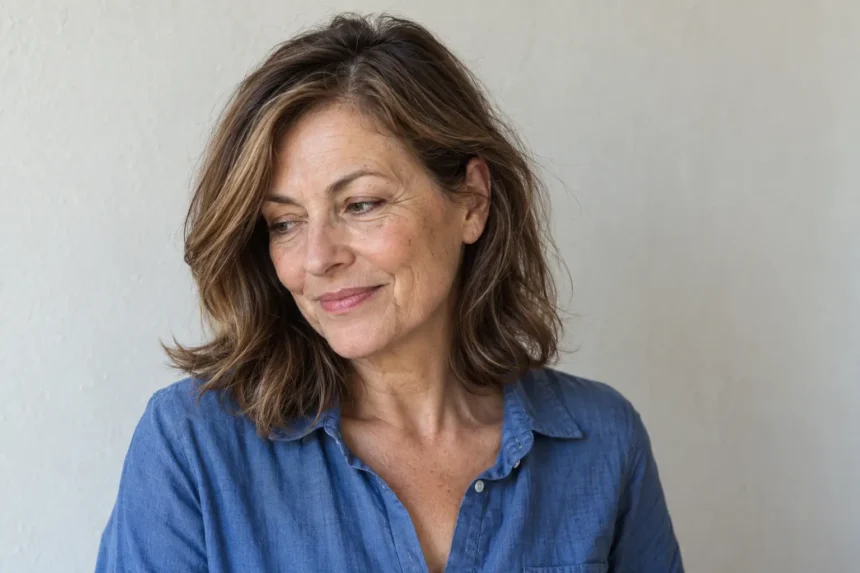
Sometimes the color is right, but the way it sits around your face needs adjusting. A solid dark brown may feel heavier than it used to. Blonde can become too yellow, while complete gray coverage may leave a root line you’re tired of maintaining.
Choosing hair color for women over 50 starts with deciding what you want to change. You might prefer softer contrast, more dimension, a warmer shade, or a gradual move toward natural gray. Going lighter is one option, but it isn’t the answer for everyone.
No color guarantees a younger appearance. The shades below offer different ways to refresh your look while keeping your natural coloring, hair condition, and maintenance preferences in mind.
Hair Colors for Women Over 50 at a Glance
| Hair color | Overall effect | What to ask for | Main consideration |
|---|---|---|---|
| Beige blonde | Soft and balanced | Neutral blonde with some root depth | Avoiding unwanted yellow or gray tones |
| Honey blonde | Warm and bright | Gentle golden pieces with a deeper base | How much warmth you enjoy |
| Dark blonde | Understated and dimensional | A natural-looking base with fine highlights | Keeping lighter pieces selective |
| Soft chestnut | Rich with restrained warmth | Brown with a subtle red-gold reflection | Whether you want the red tone visible |
| Light chocolate brown | Defined without very dark contrast | Neutral or gently warm chocolate | Contrast with gray roots |
| Mushroom brown | Cool and muted | Beige-brown with enough depth | Avoiding an overly flat ash finish |
| Caramel brunette | Warm with lighter detail | Fine caramel ribbons through brown | Placement around the face |
| Strawberry blonde | Light with a copper hint | Blonde with controlled peach-red warmth | Maintaining the chosen tone |
| Soft auburn | Deeper red-brown | Muted auburn with brown depth | Color fading and regrowth |
| Dimensional silver | Bright with natural variation | Silver with selective lowlights | Preserving the gray pattern you like |
Use these names to begin the conversation with your colorist. Bring photographs too, because one person’s “honey blonde” may be much brighter or warmer than another’s.
1. Beige Blonde
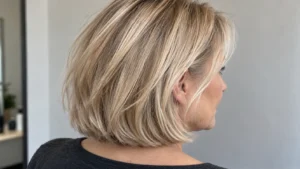
Beige blonde sits between strongly golden and very ashy blonde. It’s worth comparing if yellow tones feel too noticeable but icy shades look dull beside your skin.
Keep some depth at the roots or underneath for a less uniform result. Fine lighter pieces can bring brightness around the face while leaving the rest of the hair more subdued.
Before choosing a pale version, compare it with a slightly deeper beige. You may prefer the same undertone with more definition.
Best for: A balanced blonde without pronounced gold or silver tones.
2. Honey Blonde
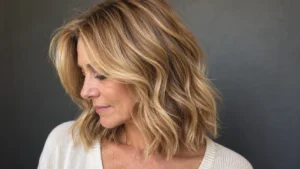
Honey blonde adds warmth through golden and amber tones. It can give an existing blonde a richer appearance or add lighter detail to a brown base.
Decide how much gold you want to see. A few honey highlights create a different result from coloring the entire head a bright golden blonde.
For a softer combination, ask to compare honey with beige pieces. Mixing the two can keep the warmth noticeable without making every strand look the same.
Best for: A warm blonde with depth and variation.
3. Dark Blonde With Fine Highlights
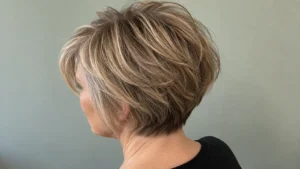
Dark blonde offers a middle ground when pale blonde feels too light and brunette feels too deep.
Fine highlights give the base movement without creating broad stripes. Keep the brightest pieces selective, especially if you want the overall color to remain close to your natural shade.
This approach can also be adapted around existing gray. Placement should follow where the lighter strands appear rather than using an identical highlight pattern on everyone.
Best for: A subtle refresh with less contrast between light and dark sections.
4. Soft Chestnut Brown
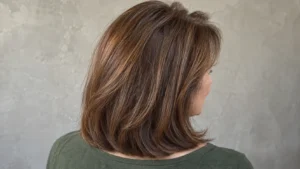
Chestnut brown brings a red-gold reflection into a brunette base. The warmth is usually easier to see in brighter light.
Ask for a muted version if you want the result to remain primarily brown. A stronger red reflection can make the same depth feel much more noticeable.
You don’t necessarily need blonde highlights with this shade. A little variation between neighboring brown tones may provide enough dimension.
Best for: Brunettes who want warmth while keeping a recognizable brown base.
5. Light Chocolate Brown
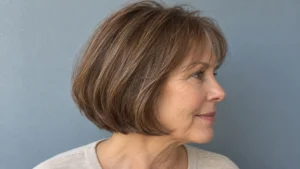
Light chocolate brown gives you depth without moving toward espresso or nearly black color.
Compare neutral chocolate with a warmer version before deciding. Some shades carry a visible red undertone, while others have a quieter cocoa appearance.
If you’ve been wearing a much darker color, discuss the route to a lighter brown with your colorist. Previously colored lengths may need a different approach from new growth.
Best for: Softening a deep brunette while keeping clear definition.
6. Mushroom Brown
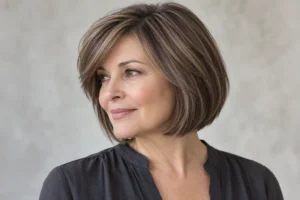
Mushroom brown combines cool brown, beige, and taupe. It provides an alternative when golden or reddish brunette shades aren’t the effect you want.
The balance matters. Too much ash can leave the color looking more gray than brown, especially when the hair already contains a lot of silver.
Keep enough depth through the base and consider fine beige pieces if you want a lighter finish. You can choose a cool direction without making the entire head uniformly ashy.
Best for: A muted brunette with controlled warmth.
7. Brown With Caramel Ribbons
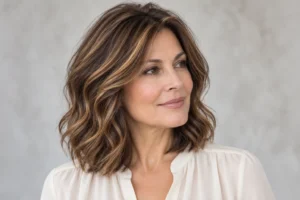
Caramel ribbons introduce lighter golden-brown pieces through brunette hair. They can refresh the overall look while leaving much of the base intact.
Choose the width according to the effect you want. Fine pieces feel blended; broader sections make the contrast easier to see.
For a gentle change around the face, ask for narrow highlights that connect with the rest of the hair. Very bright front sections can look disconnected if the lengths remain much darker.
Best for: Adding light and warmth without switching to an all-over blonde.
8. Strawberry Blonde
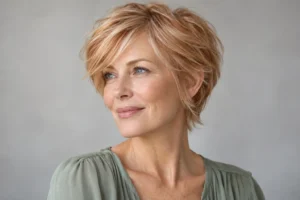
Strawberry blonde mixes blonde with a peach or copper reflection. It can be delicate or quite red depending on the formula.
Bring examples that show the balance you prefer. A pale blonde with a hint of copper is different from a copper base threaded with blonde highlights.
If you’re unsure about red hair, compare a muted strawberry shade with beige blonde first. That makes it easier to see how much warmth you want around your face.
Best for: A lighter color with a noticeable but restrained red tone.
9. Soft Auburn
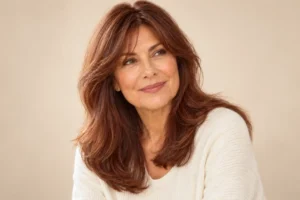
Soft auburn gives you a deeper red option with brown running through it. It feels richer than strawberry blonde and less bright than vivid copper.
Choose whether you want the brown or red to lead. A brown-based auburn is more understated, while a copper-leaning version creates stronger color contrast.
Keep your preferred maintenance in the conversation. Ask how the shade is likely to fade and what a refresh would involve before committing.
Best for: A red-brown change with more depth than blonde.
10. Silver With Selective Lowlights
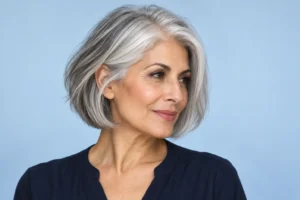
Natural silver can look complete without full coverage. If it feels too uniform, selective lowlights offer another way to add definition.
Place deeper strands where you want separation, such as underneath or through an especially pale section. They don’t need to run evenly across the whole head.
Keep the lowlight related to your natural darker strands. An unrelated warm brown can create a different effect from the cool gray variation you expected.
Best for: Keeping silver visible while adding a little depth.
Choose the Amount of Contrast Before the Shade
Think about the difference between your hair and your skin, then the difference between individual strands.
A solid dark color creates a stronger frame around the face. A lighter shade reduces that contrast, while highlights and lowlights introduce variation within the hair.
Neither effect is automatically better. If you enjoy deep brunette hair, you may only want a few softer pieces near the face. If you prefer pale blonde, some deeper strands can give the color more structure.
This is why changing placement can be more useful than choosing an entirely new shade.
Decide How You Want to Wear Your Gray
Gray coverage and gray blending produce different results. Be clear about which one you want before discussing a color formula.
| Your preference | Approach to discuss | What to consider |
|---|---|---|
| Hide most visible gray | Full coverage | The contrast as roots grow |
| Keep some gray showing | Gray blending | How much silver you want visible |
| Break up a dark base | Selected highlights | Where your gray is concentrated |
| Add depth to pale gray | Lowlights | Whether the darker pieces match your natural tones |
| Grow out existing color | A gradual transition plan | The difference between roots and colored lengths |
A technique described as blending may still leave plenty of gray visible. That can be the goal, so make sure you and your colorist mean the same thing.
Match the Color to Your Maintenance Routine
Before choosing a shade, decide what you can comfortably keep up with.
Do you enjoy regular salon appointments, or would you rather let the color grow for longer? Are you comfortable with visible roots? Do you want a result that still looks intentional when you wear your hair up?
Ask what the color will look like between appointments. A photograph taken immediately after a salon visit doesn’t show its grow-out.
Avoid choosing a complicated color plan solely because it looks soft in a reference image. Multiple tones, pale highlights, and regular root coverage can still require considerable attention.
What to Ask for at the Salon
Describe the change you want in ordinary language, then add the details that matter.
For example: “I want to keep my brown hair, but make the color around my face a little softer. I’d prefer fine beige highlights rather than bright blonde sections.”
Or: “I want my gray to remain visible. I’d like a few lowlights for depth, without making the whole head darker.”
Tell the colorist about previous dye and chemical treatments. Ask them to assess your starting color and hair condition before deciding how much lightening is practical.
Bring more than one photograph if possible. Showing a shade you dislike can help explain your preference just as clearly as showing one you love.
Common Hair Color Mistakes
Assuming Everyone Should Go Blonde
Blonde may suit the change you want, but it isn’t an age requirement. Brown, auburn, and silver offer plenty of room for a fresh-looking result.
Choosing Warmth Without Checking How Strong It Is
A subtle honey reflection and bright gold are different effects. Compare samples rather than relying on a color name.
Covering Every Gray Strand When You Wanted Blending
Full coverage can create a more uniform finish and a clearer root line. Explain how much gray you’re comfortable seeing.
Forgetting About the Colored Lengths
New roots and previously dyed hair may respond differently. Discuss the whole head rather than treating a root shade as a complete color plan.
Expecting Color to Do All the Work
A cut and everyday styling affect how the shade looks. Consider whether your current shape shows the dimension you’re paying to create.
Conclusion
Hair color for women over 50 can be blonde, brown, red, or naturally silver. The useful question is how you want the color to frame your face and fit your routine.
Choose the contrast first, then compare undertones and decide how much gray to show. A few well-placed highlights or a softer base may give you the refresh you wanted without a complete change.
Frequently Asked Questions
What hair color looks youngest on women over 50?
There isn’t one shade that works for everyone. Softer contrast or added dimension may give you the refresh you want, but your natural coloring and personal preference should guide the choice.
Can women over 50 still wear dark brown hair?
Yes. If you like the definition of dark hair, keep it. Fine highlights, a slightly lighter brown, or selective gray blending can adjust the effect if it feels too uniform.
Is warm or cool hair color better after 50?
Age alone doesn’t determine undertone. Compare warm, neutral, and cool shades at a similar depth beside your face.
Are highlights easier to maintain than full coverage?
They can create a less obvious grow-out, depending on placement and contrast. You may still need tone adjustments or other maintenance, particularly with lighter shades.
Do I need to color my gray to look polished?
No. Natural gray can look finished with a cut and styling routine you enjoy. Lowlights are optional if you want more depth.
Can I make a major color change in one appointment?
That depends on your starting shade, previous color, hair condition, and intended result. Discuss a realistic plan with your colorist instead of assuming one appointment will be enough.
Our Editorial Approach
Beauty and self-care information should be clear and easy to use. Our goal is to help you understand your options and make more informed choices about your everyday routine.
Our articles are for educational purposes only and do not replace advice from a qualified healthcare professional.