

Noticing a painful crack where your toes meet the ball of your foot can make every step uncomfortable. If you are wondering what causes skin to split under toes, the short answer is that the skin barrier has become too weak, too wet, too dry, or too irritated to stretch normally. Athlete’s foot is a common reason, but friction, eczema, psoriasis, and simple dryness can look surprisingly similar.
- Why Does Skin Split Under the Toes?
- What Causes Skin to Split Under Toes? The Most Common Reasons
- 1. Athlete’s Foot
- 2. Excess Moisture and Maceration
- 3. Dry Skin and a Damaged Skin Barrier
- 4. Friction, Pressure, and Poorly Fitting Shoes
- 5. Eczema or Contact Dermatitis
- 6. Psoriasis
- 7. Diabetes, Poor Circulation, or Reduced Sensation
- How to Tell What May Be Causing the Crack
- How to Heal Split Skin Under the Toes
- Clean the Area Gently
- Keep Toe Webs Dry
- Protect a Clean, Shallow Crack
- Moisturize Dry Skin—But Not Damp Toe Webs
- Treat Suspected Athlete’s Foot Correctly
- Reduce Pressure While the Skin Repairs
- What Not to Do
- How Long Does Split Skin Under the Toes Take to Heal?
- When to See a Doctor or Podiatrist
- How to Prevent the Skin From Splitting Again
- Conclusion
- Frequently Asked Questions
The right fix depends on whether the area is dry and thick, white and soggy, itchy and scaly, or red and swollen. Below, we explain how to read those clues, care for a minor split at home, and recognize when a foot problem needs professional treatment.
Why Does Skin Split Under the Toes?
A split in the skin is often called a fissure. Healthy skin bends as you walk, but damaged skin loses some of that flexibility. Pressure from standing, toe movement, moisture, and rubbing then pulls the weakened surface apart. The crack may be shallow and sting only after a shower, or it may become deep enough to hurt, bleed, or open repeatedly.
Location offers an important clue. Cracks directly between the toes often involve trapped moisture or a fungal infection. Splits beneath the toe crease may be more closely related to dry, thick skin and repeated friction. Still, more than one issue can be present at the same time.
What Causes Skin to Split Under Toes? The Most Common Reasons
1. Athlete’s Foot
Athlete’s foot, or tinea pedis, is a fungal infection and one of the most frequent causes of cracked skin around the toes. It often begins with itching, peeling, burning, or white, softened skin between the toes. The fourth and fifth toes are common trouble spots. As the infection disrupts the skin barrier, the area may split or bleed.
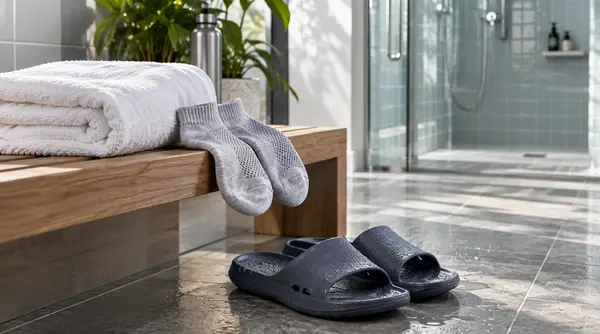
Fungi thrive in warm, damp environments. Sweaty shoes, public showers, locker rooms, shared towels, and wearing the same closed footwear day after day can all increase exposure. According to the NHS guidance on athlete’s foot, keeping feet clean and dry is an important part of treatment and prevention.
2. Excess Moisture and Maceration
Dryness is not the only way skin loses strength. Skin that stays wet for too long becomes pale, soft, and waterlogged—a change known as maceration. It can happen when sweat collects in tight shoes, toes sit closely together, or the feet are not dried carefully after bathing.
Macerated skin tears easily under pressure. You may notice a white rim around the split, a tender raw surface, or a musty smell. Persistent moisture also makes the area more welcoming to fungi and bacteria, so simply coating it with a heavy moisturizer may make matters worse.
3. Dry Skin and a Damaged Skin Barrier
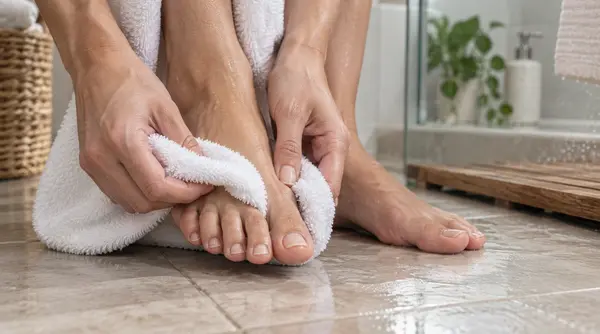
Cold weather, low humidity, hot showers, harsh soaps, and frequent barefoot walking can strip protective oils from the feet. Once the skin becomes rough and inflexible, the normal bending motion beneath the toes can produce small splits.
Dry fissures usually look different from soggy toe-web cracks. The surrounding skin may appear flaky, thick, or powdery rather than white and moist. A fragrance-free cream or ointment can help, but it should be applied to dry areas—not packed between damp toes.
4. Friction, Pressure, and Poorly Fitting Shoes

Shoes that are too narrow can force the toes together, while loose shoes allow the foot to slide and rub. Both create repeated stress beneath the toes. Long walks, running, standing for work, and a sudden increase in exercise can make a small weak spot open into a painful crack.
Callused skin can add to the problem. Although a callus protects against pressure, an overly thick callus is less flexible and more likely to split. Never cut it away with a blade. A podiatrist can safely reduce troublesome thick skin and check whether footwear or foot mechanics are contributing.
5. Eczema or Contact Dermatitis
Eczema can leave the feet itchy, inflamed, dry, and prone to fissures. Contact dermatitis may develop after exposure to shoe adhesives, rubber, dyes, fragranced foot products, or detergents used on socks. A rash on both feet in a similar pattern can point toward irritation or allergy, although appearance alone is not always enough for a diagnosis.
Try not to assume every itchy split is fungal. DermNet notes that foot eczema, contact dermatitis, and psoriasis may resemble tinea pedis. Using the wrong treatment can delay healing, especially when symptoms keep returning.
6. Psoriasis
Psoriasis can cause sharply defined, thick, scaly patches on the soles and beneath the toes. These plaques may crack with movement and pressure. Clues can include similar patches elsewhere on the body, nail pitting, or symptoms on both feet, but a dermatologist should confirm the cause.
7. Diabetes, Poor Circulation, or Reduced Sensation
Diabetes does not automatically cause every toe crack, but it can make a small injury more serious. Reduced sensation may prevent you from feeling a worsening wound, while impaired circulation can slow healing. Anyone with diabetes, neuropathy, poor circulation, or a weakened immune system should seek medical advice rather than treating an open foot split aggressively at home.
How to Tell What May Be Causing the Crack
| What you notice | Possible explanation | Helpful next step |
|---|---|---|
| White, soggy, itchy skin between toes | Moisture damage or athlete’s foot | Keep dry and ask a pharmacist about an antifungal |
| Dry, thick, rough skin beneath toes | Dryness, pressure, or callus | Reduce friction and moisturize dry skin |
| Red, itchy rash on both feet | Eczema, contact dermatitis, or psoriasis | Stop new products and seek diagnosis if persistent |
| Increasing warmth, swelling, pus, or red streaks | Possible bacterial infection | Get prompt medical care |
| Open split with numbness or slow healing | Higher-risk foot wound | Contact a healthcare professional, especially with diabetes |
This comparison is a guide, not a diagnosis. A clinician may examine the skin and, when fungus is uncertain, take a small scraping for testing.
How to Heal Split Skin Under the Toes
Clean the Area Gently
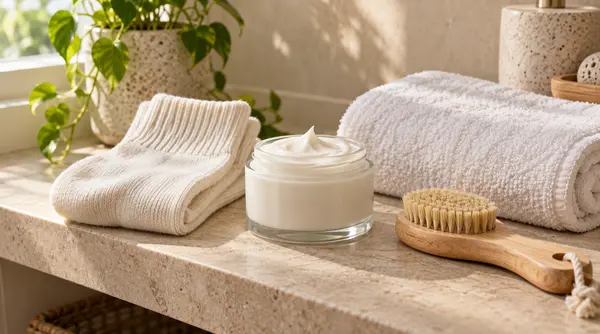
Wash with lukewarm water and a mild, fragrance-free cleanser. Avoid very hot water, alcohol, hydrogen peroxide, and strongly scented products, which may irritate exposed skin. Pat the area dry with a clean towel instead of rubbing it.
Keep Toe Webs Dry
Dry carefully between every toe after bathing. Change damp socks promptly and rotate shoes so each pair can dry fully before you wear it again. Breathable footwear and moisture-wicking socks may help if your feet sweat heavily. Do not share socks, shoes, or towels.
Protect a Clean, Shallow Crack
A minor split may benefit from a light, clean dressing that reduces friction. Replace it when wet or dirty. Avoid wrapping toes tightly, because constriction can affect circulation. If the crack is deep, gaping, bleeding repeatedly, or too painful to walk on, arrange an examination instead of trying to seal it yourself.
Moisturize Dry Skin—But Not Damp Toe Webs
For dry skin beneath the toes, apply a fragrance-free foot cream or plain ointment after washing and drying. Products containing urea can soften thick, rough skin, but stronger formulas may sting an open fissure and should not be placed inside a wound.
Do not apply a heavy layer of petroleum jelly between toes that are already white or moist. Occlusion can trap more water there. Treat the dry skin and the damp spaces differently.
Treat Suspected Athlete’s Foot Correctly
Over-the-counter antifungal creams, sprays, and powders are available for athlete’s foot. Follow the label and ask a pharmacist which option is appropriate for you, particularly during pregnancy, for children, or if you take other medication. Complete the recommended course even if the skin looks better sooner.
Avoid using a steroid cream by itself on a suspected fungal rash unless a clinician has advised it. Steroids may reduce redness temporarily while allowing an untreated fungal infection to persist.
Reduce Pressure While the Skin Repairs
Choose roomy shoes with a wide toe box and a cushioned sole. Pause the activity that repeatedly reopens the crack, when possible, and avoid walking barefoot on hard or communal surfaces. If two toes rub together, a pharmacist or podiatrist can recommend a suitable separator without creating extra pressure.
What Not to Do
- Do not cut calluses or loose skin with scissors or a razor.
- Do not scratch peeling areas; fungus can spread to the hands or nails.
- Do not repeatedly soak a moist, cracked foot.
- Do not use harsh acids or strong exfoliating peels on broken skin.
- Do not cover a wet toe space with a thick ointment and airtight dressing.
- Do not ignore a wound because it feels painless, especially if you have reduced sensation.
How Long Does Split Skin Under the Toes Take to Heal?
A small surface crack caused by dryness or friction may start feeling better within several days once it is protected and the trigger is removed. Deeper fissures can take longer. Fungal infections often need consistent treatment for a few weeks, depending on the product and severity.
If the split reopens every time you walk, does not improve after about a week of sensible care, or returns soon after treatment, the underlying cause may not have been addressed. Ongoing moisture, untreated toenail fungus, footwear, eczema, or psoriasis may all contribute.
When to See a Doctor or Podiatrist
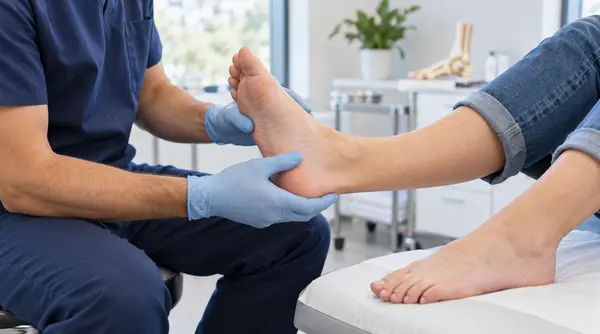
Get prompt medical advice if the area becomes increasingly red, hot, swollen, or painful; releases pus or yellow fluid; develops red streaks; smells unusually strong; or is accompanied by fever. These can be signs of infection. Seek care as well if the crack is deep, will not stop bleeding, exposes deeper tissue, or makes walking difficult.
Do not wait for home care to work if you have diabetes, poor circulation, neuropathy, significant swelling, or a weakened immune system. Foot wounds in these situations deserve early professional assessment.
How to Prevent the Skin From Splitting Again
- Dry between the toes every time you wash your feet.
- Change socks daily and whenever they become damp.
- Rotate shoes and let them air completely.
- Wear sandals in shared showers and locker rooms.
- Moisturize dry soles and toe creases, while keeping moist toe webs free of heavy ointment.
- Choose shoes that do not squeeze the toes or allow excessive sliding.
- Check your feet regularly for peeling, cracks, and nail changes.
If odor or changes around the nails are also bothering you, our guide to why toenails smell explains how trapped moisture, debris, and fungal problems may be involved.
Conclusion
Understanding what causes skin to split under toes starts with looking at the skin around the crack. White and soggy skin suggests trapped moisture or fungus, while rough, thick skin points more toward dryness and friction. Gentle cleaning, careful drying, suitable moisture control, and reduced pressure can help a minor fissure close.
However, a worsening or non-healing split should not be treated as a cosmetic problem. Signs of infection, severe pain, numbness, poor circulation, or diabetes are good reasons to get professional foot care early.
Frequently Asked Questions
Why does the skin under my toes split but not itch?
A non-itchy crack may be caused by dry, thick skin, friction, callus, or pressure rather than fungus. Athlete’s foot can still occur without intense itching, so persistent peeling or recurrent splits should be assessed.
Is cracked skin under the toes always athlete’s foot?
No. Fungal infection is common, but eczema, contact dermatitis, psoriasis, dryness, sweating, and shoe friction can cause similar cracks. A clinician can test a skin scraping if the diagnosis is unclear.
Can I put petroleum jelly on split skin under my toes?
Plain petroleum jelly may protect dry skin beneath the toe crease, but avoid packing it between toes that are moist, white, or soggy. Trapping moisture can worsen maceration and may encourage fungal growth.
Should I cover a crack under my toe?
A clean, shallow crack can be protected with a light dressing to reduce rubbing. Change it if it becomes damp. Deep, infected, repeatedly bleeding, or gaping cracks require professional advice.
Why does the split keep coming back?
Recurring cracks usually mean the trigger remains. Common reasons include sweaty footwear, untreated athlete’s foot, pressure from shoes, thick callus, eczema, psoriasis, or a fungal toenail infection that acts as a reservoir.
Can a skin split under the toe become infected?
Yes. A fissure breaks the skin barrier and can allow bacteria to enter. Increasing redness, warmth, swelling, pain, pus, red streaks, or fever needs prompt medical attention.
Our Editorial Approach
Beauty and self-care information should be clear and easy to use. Our goal is to help you understand your options and make more informed choices about your everyday routine.
Our articles are for educational purposes only and do not replace advice from a qualified healthcare professional.