

Hair that feels waxy after washing often has something left on it: conditioner, styling products, oil, or mineral residue. A rushed rinse can leave the crown sticky while the ends feel clean. Start by checking where the coating sits, then change one part of your wash routine at a time.
- Why Does My Hair Feel Waxy After Washing?
- 7 Reasons Your Hair Feels Waxy and What Helps
- 1. Shampoo or Conditioner Isn’t Fully Rinsed Out
- 2. Your Conditioner Is Too Rich or Too Close to the Roots
- 3. Styling Products Have Built Up Between Washes
- 4. Your Shampoo Isn’t Reaching the Scalp
- 5. Hard Water Is Leaving Mineral Residue
- 6. Oils and Leave-Ins Are More Than Your Hair Needs
- 7. Your Brush Is Putting Residue Back on Clean Hair
- Use the Location and Timing to Narrow It Down
- What to Do at Your Next Wash
- When the Problem Needs a Dermatologist
- Frequently Asked Questions
- Why does my hair feel waxy after washing even with a new shampoo?
- Can hair feel waxy and dry at the same time?
- Should I shampoo twice?
- Does waxy hair mean I need a protein treatment?
- Should I stop using products with silicones?
- Start With the Part of Your Routine That Changed
That heavy, almost candle-wax feeling is frustrating when you’ve just spent time washing and drying your hair. It doesn’t automatically mean your hair is damaged, and buying a stronger shampoo isn’t always the answer. Sometimes the fix is simply getting water through the layers at the back of your head.
Why Does My Hair Feel Waxy After Washing?
Waxy hair is a description of texture, not a diagnosis. Strands may cling together, feel tacky between your fingers, or dry with a flat, coated finish. Several things can create that feeling, and more than one can be involved.
The timing gives you a useful starting point. Hair that feels coated before you apply any styling products points toward your wash routine or existing buildup. Hair that feels fine until you add a cream or oil gives you a different clue.
7 Reasons Your Hair Feels Waxy and What Helps
1. Shampoo or Conditioner Isn’t Fully Rinsed Out
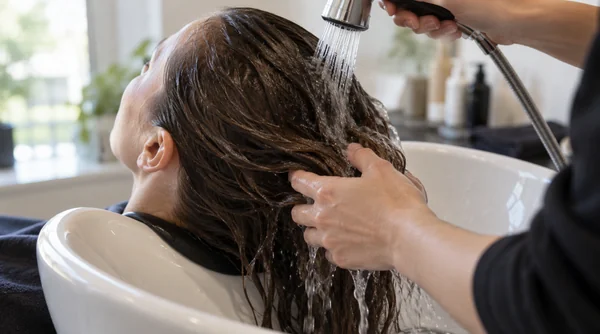
The outside of your hair can feel rinsed while product remains underneath. The nape, crown, and area behind your ears are easy to miss, especially if your hair is thick or you keep it gathered in one position.
Use comfortably warm water and gently lift sections so the stream reaches the roots. Move your head rather than letting water run over the same patch. Give rinse-out conditioner a thorough rinse according to its directions.
There’s no universal rinsing time that works for every shower and hair density. Clear runoff is useful, but also check the places that usually feel sticky. Don’t keep scrubbing until your hair squeaks; that isn’t a requirement for clean hair.
2. Your Conditioner Is Too Rich or Too Close to the Roots
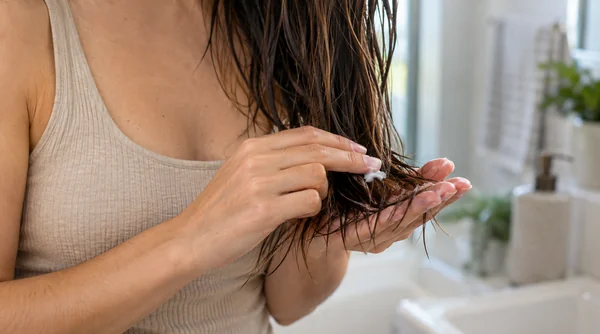
A mask that leaves dry curls soft may make fine hair fall flat. Using more than your hair needs can leave a heavy finish even when the product itself is perfectly good.
If your roots feel coated but your ends feel comfortable, start conditioner farther down. For fine or straight hair, concentrate on the ends. Dry, curly hair may need conditioning through more of its length, so adjust the placement rather than dropping conditioner altogether.
Try a smaller amount at your next wash. If that helps, you may not need a new bottle. If it doesn’t, compare a lighter rinse-out formula without changing everything else that day.
3. Styling Products Have Built Up Between Washes
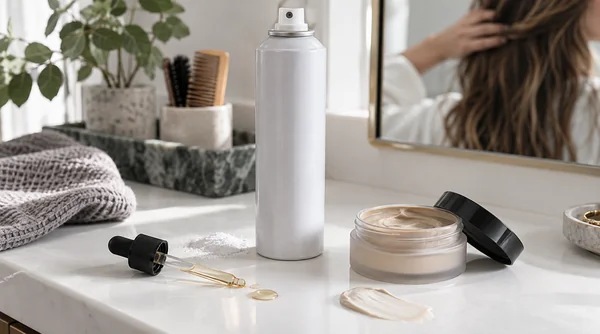
Dry shampoo, styling wax, curl cream, and smoothing serum can leave residue behind. Reapplying them day after day may eventually give hair a sticky or stiff feel that an ordinary wash doesn’t completely remove.
Think back over the whole week, not just the last shower. Dry shampoo can make roots look less oily without washing the scalp. Adding more when your hair already feels coated may make the texture harder to manage.
A clarifying shampoo may help with product buildup. Follow its label and check that it suits color-treated or chemically treated hair if that applies to you. Use it when needed rather than automatically at every wash, and condition the lengths afterward.
Buildup can also make strands catch on each other. If that sounds familiar, our guide to why hair tangles so easily covers other reasons knots keep returning.
4. Your Shampoo Isn’t Reaching the Scalp
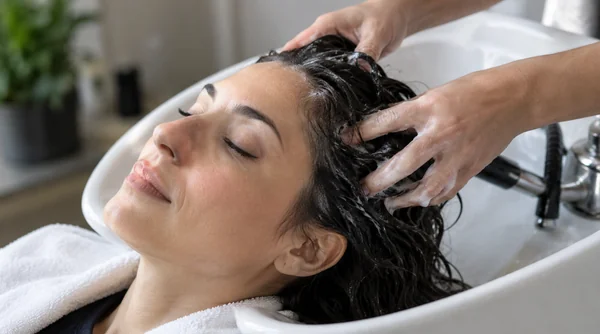
A quick swipe of shampoo over the top of your hair can miss the oily areas underneath. This is especially easy to do when the roots aren’t fully wet before you begin.
Wet the scalp thoroughly, then distribute shampoo across it with the pads of your fingers. Work gently around the hairline, crown, and nape. You don’t need your nails or an aggressive scalp scrub.
If careful application and rinsing still leave a coating, your usual cleanser may not suit the amount of oil and product you’re removing. A very conditioning wash or co-wash won’t suit every routine equally well.
The American Academy of Dermatology’s hair-care guidance recommends matching washing to how dirty or oily your hair gets. Choose according to how your scalp and hair feel afterward. Sulfate-free doesn’t automatically mean ineffective, and a huge cloud of lather doesn’t prove that you’ve cleaned every area.
5. Hard Water Is Leaving Mineral Residue
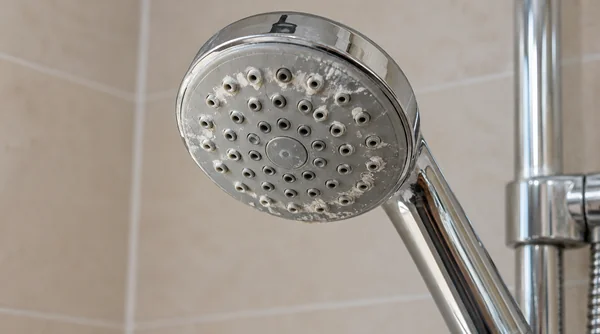
Hard water contains dissolved minerals, including calcium and magnesium. Mineral deposits can affect how hair feels and make it seem dull, rough, or coated. The texture alone can’t confirm that hard water is the cause.
Consider this possibility if the problem started after a move, or your hair behaves differently when you wash it elsewhere using the same products. Scale on your fixtures is another reason to check your water supplier’s hardness information or use a suitable home test.
If mineral buildup is likely, look for a hair product specifically labeled for hard-water minerals or chelating. A general clarifying shampoo and a mineral-removing formula aren’t necessarily interchangeable.
Don’t assume any shower filter will soften water. Check whether the system actually reduces hardness minerals before spending money. Also, if you recently switched to a soap-based shampoo bar, mention that when troubleshooting: soap can form residue in hard water, while shampoo bars use different types of cleansers.
6. Oils and Leave-Ins Are More Than Your Hair Needs
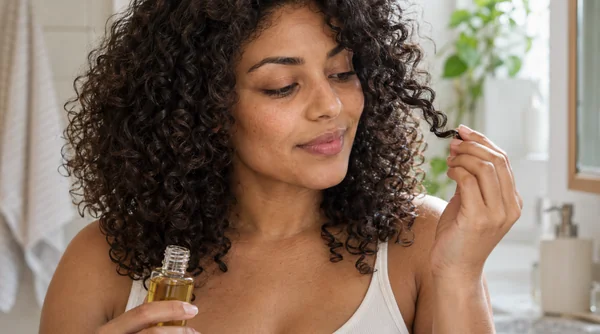
A little oil can change how hair feels; several layers of oil, leave-in conditioner, and cream can change it much more. When a pre-wash oil isn’t fully removed, adding another finishing product may leave the lengths feeling waxy again.
For your next wash, skip the optional oil treatment. Use the conditioner your lengths need, then go lighter on leave-ins. Keep heat protectant if you’re using hot tools, or let your hair dry without heat while you compare the result.
Hair that gets weighed down easily is sometimes labeled low porosity, but a waxy coating doesn’t establish your porosity. Product amounts, cleansing, and water can all affect the feel. Our guide to checking hair porosity at home explains what different observations can and can’t tell you.
7. Your Brush Is Putting Residue Back on Clean Hair
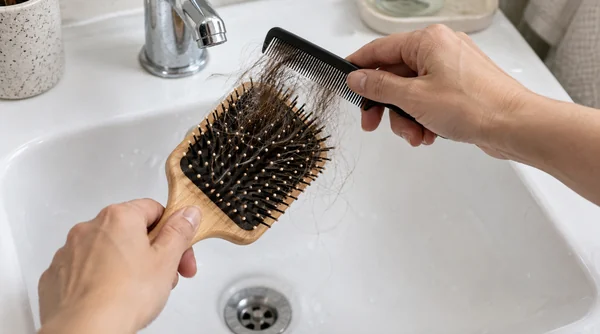
If your hair feels fine until you brush or style it, check the tools you’re using. A brush can hold shed hairs, oil, lint, and dried styling products. Those deserve attention before you blame another shampoo.
Remove trapped hairs and clean the brush according to its care instructions. Some brushes can be washed; wooden handles, cushions, and electrical tools may need different care. Let washable tools dry properly before putting them away.
Check combs and clips too, especially if you use wax or pomade. You don’t need a complicated sanitizing routine. The aim is to remove the visible film that keeps going back onto freshly washed hair.
Use the Location and Timing to Narrow It Down
These clues help you decide what to test first. They aren’t proof of a particular cause.
| What you notice | What to check first | One useful change |
|---|---|---|
| A sticky patch at the crown or nape | Shampoo coverage and rinsing | Separate the hair so water reaches underneath |
| Clean roots, heavy lengths | Conditioner, masks, and leave-ins | Reduce one rich product |
| Coating returns after styling | Styling products or tools | Compare the feel before and after each product |
| Hair changed after moving | Water hardness and routine changes | Check local hardness information |
| Greasy roots later, rather than immediately | Oil production and washing frequency | Match washing to your scalp’s needs |
| Persistent itching, redness, or thick flakes | A possible scalp condition | Get advice rather than repeatedly clarifying |
What to Do at Your Next Wash
Begin with the least complicated change that fits your situation. For a patch that feels waxy immediately after washing, improve shampoo distribution and rinsing first. For lengths that turn heavy after styling, reduce the leave-in amount first.
- Keep track of one change. Note what you used and where the coating appeared.
- Check the hair once it’s dry. Wet hair naturally groups together, which can make the result harder to judge.
- Keep conditioning where it’s needed. A coated crown doesn’t mean dry ends need less care.
- Choose a targeted cleanser only if needed. Product residue and mineral deposits may call for different formulas.
A lighter feel after one wash is encouraging, but it doesn’t prove which ingredient caused the problem. Reintroduce optional products individually. That gives you a much clearer answer than replacing your entire routine at once.
Avoid dish soap, baking soda scrubs, and strong homemade vinegar rinses. They aren’t a reliable substitute for a hair product formulated and labeled for the job. If your hair starts feeling brittle or your scalp stings, stop escalating the cleansing.
When the Problem Needs a Dermatologist
Waxy hair by itself is usually a grooming concern. Persistent scalp itching, redness, soreness, thick scale, sores, or noticeable hair loss needs a different approach. Dandruff and other scalp conditions can coexist with oily hair and may need specific treatment.
Book an appointment if symptoms persist despite gentle care, or sooner for pain, oozing, or sudden patchy loss. Bring a list of your products and explain when the change began. Repeated clarifying won’t solve every scalp problem.
Frequently Asked Questions
Why does my hair feel waxy after washing even with a new shampoo?
The shampoo may not be the main cause. Conditioner, styling residue, rinsing technique, and water can still affect the finish. Compare one change at a time so you can tell whether the new formula actually helps.
Can hair feel waxy and dry at the same time?
Yes. The roots may feel coated while the ends feel rough or brittle. Treat those areas according to what they need. Repeated strong cleansing across the whole length may make already-dry ends harder to manage.
Should I shampoo twice?
Not automatically. Some products direct a repeat wash, and a second gentle cleanse may help with heavier residue. Follow the label and your scalp’s response. If you’re repeatedly washing without improvement, reconsider the cause instead of adding more rounds.
Does waxy hair mean I need a protein treatment?
No. A waxy feel doesn’t tell you that your hair needs protein, and it doesn’t confirm a moisture-protein imbalance. Start with product amounts and cleansing. A new treatment adds another variable before you’ve identified the problem.
Should I stop using products with silicones?
Not necessarily. Silicone ingredients differ, and the whole formula matters. If one product consistently leaves your hair heavy, reduce it or compare another. You don’t need to rule out every silicone to find a routine that works.
Start With the Part of Your Routine That Changed
When your hair feels waxy after washing, look at when the coating appears and where you notice it. A better rinse, less conditioner near the roots, or fewer layers of styling product may be enough. Make one change, see how your dry hair feels, and let that result guide the next wash.
Our Editorial Approach
Beauty and self-care information should be clear and easy to use. Our goal is to help you understand your options and make more informed choices about your everyday routine.
Our articles are for educational purposes only and do not replace advice from a qualified healthcare professional.