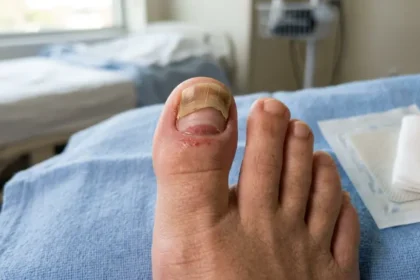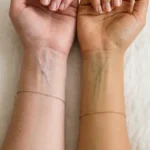


The most common signs of a damaged skin barrier include persistent tightness, stinging, dryness, flaking, redness, roughness, itching, tenderness, increased sensitivity, and sudden irritated breakouts. To support recovery, simplify your routine to a gentle cleanser, fragrance-free moisturizer, and broad-spectrum sunscreen while pausing nonessential exfoliants and other irritating active products.
- What Is the Skin Barrier?
- 10 Signs of a Damaged Skin Barrier
- 1. Your Skin Feels Tight After Cleansing
- 2. Basic Products Suddenly Sting or Burn
- 3. Dry, Flaky, or Peeling Patches Keep Appearing
- 4. Your Texture Feels Rougher Than Usual
- 5. Redness or Inflammation Is Increasing
- 6. Your Skin Is Itchy
- 7. Familiar Products No Longer Feel Comfortable
- 8. Your Skin Feels Tender or Sore
- 9. Irritated Bumps or Breakouts Appear Suddenly
- 10. Weather and Water Affect Your Skin More Than Before
- What Can Damage the Skin Barrier?
- How to Repair a Damaged Skin Barrier
- 1. Pause Nonessential Active Products
- 2. Switch to Gentle Cleansing
- 3. Apply Moisturizer While Skin Is Slightly Damp
- 4. Protect Skin Every Morning
- 5. Keep the Routine Consistent
- A Simple Skin Barrier Repair Routine
- Best Ingredients for Skin Barrier Repair
- When to See a Dermatologist
- Frequently Asked Questions
- Final Takeaway
These symptoms do not prove that your moisture barrier is damaged. Eczema, rosacea, contact dermatitis, acne, and other conditions can look similar. A compromised barrier is more likely when several symptoms begin after increased exfoliation, a strong treatment, or multiple new products.
What Is the Skin Barrier?
The skin barrier is the outermost part of the epidermis, largely associated with the stratum corneum. Flattened skin cells form the structure, while lipids such as ceramides, cholesterol, and fatty acids fill the spaces between them.
This structure helps keep water in the skin while limiting the entry of irritants and environmental substances. When it becomes disrupted, more water can escape through a process called transepidermal water loss, or TEWL. Skin may then feel dry, reactive, rough, or uncomfortable.
The barrier can be mildly stressed, temporarily irritated, or affected by an ongoing condition. The best repair routine is usually simple rather than aggressive.
10 Signs of a Damaged Skin Barrier
1. Your Skin Feels Tight After Cleansing

Skin should not feel uncomfortably stretched after every wash. Persistent tightness can mean cleansing is removing more oil than your skin can comfortably replace, especially with harsh foaming washes, traditional soap, hot water, or repeated cleansing.
2. Basic Products Suddenly Sting or Burn
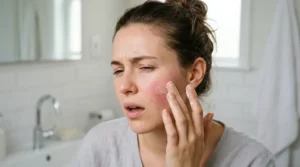
One of the clearest damaged skin barrier symptoms is stinging from a normally gentle product. Do not assume burning means a formula is working.
Rinse off anything that causes intense or lasting discomfort, and seek advice if even water or a plain moisturizer burns repeatedly.
3. Dry, Flaky, or Peeling Patches Keep Appearing

A damaged moisture barrier has more difficulty holding water. You may see flakes under makeup, peeling around the mouth, or patches that return after moisturizing.
Retinoids, acne treatments, eczema, sunburn, and product reactions can cause similar flaking, so consider what recently changed.
4. Your Texture Feels Rougher Than Usual

Barrier disruption can make skin feel coarse, uneven, or papery, and makeup may catch on dry areas.
If roughness appears with stinging, tightness, or redness, another scrub or peel is more likely to worsen it.
5. Redness or Inflammation Is Increasing

Skin may look flushed, blotchy, or inflamed. On deeper skin tones, irritation may appear darker, purplish, gray, or ashy rather than bright red.
Persistent color changes without an obvious trigger may need professional assessment.
6. Your Skin Is Itchy

Itching commonly accompanies dry, irritated skin. Avoid scratching or scrubbing because friction creates more irritation.
Persistent or severe itching deserves medical attention, particularly with a rash, swelling, or broken skin.
7. Familiar Products No Longer Feel Comfortable

A cleanser, sunscreen, or serum that worked for months may suddenly feel too strong. This does not automatically mean an allergy.
Skin can become temporarily less tolerant after over-exfoliation, cold weather, a procedure, or too many active ingredients. Stop adding products while you identify the trigger.
8. Your Skin Feels Tender or Sore

Tenderness is a stronger warning than ordinary dryness.
Painful, swollen, hot, crusted, or oozing skin is not a routine beauty concern and should be assessed promptly.
9. Irritated Bumps or Breakouts Appear Suddenly

A stressed routine can produce both irritation and breakouts. Heavy layering may contribute to clogged pores, while overused acids, scrubs, retinoids, or acne treatments can cause inflamed bumps.
Breakouts alone do not prove barrier damage, so look for accompanying tightness, burning, or peeling.
10. Weather and Water Affect Your Skin More Than Before

Cold wind, low humidity, heat, chlorine, or a hot shower may suddenly leave your skin uncomfortable.
If the reaction happens only with one product, contact irritation or an allergy may be more likely.
What Can Damage the Skin Barrier?
Barrier problems often begin with cumulative irritation. Common triggers include:
- Exfoliating too frequently or combining several acids
- Using a scrub, cleansing brush, or peel on already irritated skin
- Starting a strong retinoid or acne treatment too quickly
- Washing repeatedly with harsh cleansers or traditional soap
- Using very hot water
- Applying fragrance, essential oils, or more active ingredients than your skin can tolerate
- Cold weather, low humidity, wind, or excessive sun exposure
- Shaving, waxing, professional peels, or other procedures
- Skin conditions such as eczema, rosacea, psoriasis, or contact dermatitis
Harsh soaps, hot water, over-cleansing, and excessive exfoliation can all interfere with normal barrier function.
Prescription treatments can cause dryness or irritation while your skin adjusts, but do not stop a prescribed medication without checking with the clinician who recommended it.
How to Repair a Damaged Skin Barrier
The goal is not to find the strongest barrier cream. It is to reduce irritation while giving the skin consistent cleansing, moisture, and protection.
1. Pause Nonessential Active Products

Set aside leave-on acids, scrubs, peels, strong vitamin C formulas, and non-prescribed retinoids if they worsen stinging or peeling. Avoid adding several masks and recovery serums.
Once skin feels comfortable, reintroduce one active at a time and use it less frequently than before.
2. Switch to Gentle Cleansing

Choose a mild, soap-free, fragrance-free cleanser. Use lukewarm water, massage briefly, and pat dry without rubbing.
Dry skin may only need a water rinse in the morning. At night, remove sunscreen and makeup without repeated washing.
3. Apply Moisturizer While Skin Is Slightly Damp

Use a fragrance-free cream or ointment rather than a thin lotion if skin is very dry. Apply it shortly after cleansing while the skin is slightly damp.
If a thick layer feels greasy, use a moderate amount or lighter texture.
4. Protect Skin Every Morning

Apply broad-spectrum, water-resistant SPF 30 or higher. If sunscreen stings, try a fragrance-free sensitive-skin formula and use a hat and shade for additional protection.
5. Keep the Routine Consistent

Keep the routine basic until cleansing and moisturizing no longer sting and the flaking, tightness, and redness are clearly improving.
A Simple Skin Barrier Repair Routine
| Time | Step 1 | Step 2 | Step 3 |
|---|---|---|---|
| Morning | Rinse or use a gentle cleanser if needed | Apply fragrance-free moisturizer | Finish with broad-spectrum SPF 30 or higher |
| Evening | Remove makeup and cleanse gently | Apply moisturizer to slightly damp skin | Add a thin layer of petrolatum to very dry spots if tolerated |
Dermatologists commonly recommend fragrance-free creams or ointments, application while the skin is still slightly damp, and daily broad-spectrum SPF 30 or higher for dry, sensitive skin.
This routine is intentionally short. More products do not automatically mean faster recovery.
Best Ingredients for Skin Barrier Repair
Look at the complete formula and how it feels on your skin, not just one highlighted ingredient.
| Ingredient type | Examples | How it can help |
|---|---|---|
| Barrier lipids | Ceramides, cholesterol, fatty acids | Help supplement lipids found in the stratum corneum |
| Humectants | Glycerin, hyaluronic acid | Attract and hold water in the outer skin layers |
| Occlusives | Petrolatum, mineral oil, dimethicone | Reduce water loss by forming a protective surface layer |
| Emollients | Squalane, shea butter | Soften rough areas and improve surface smoothness |
| Soothing ingredients | Colloidal oatmeal | May help relieve dryness and discomfort in suitable formulas |
Moisturizers generally support the barrier through a combination of humectants, emollients, and occlusives. Research reviews also support the role of ceramide-containing formulations in improving hydration and reducing water loss, although the complete formula matters more than a single featured ingredient.
Even useful ingredients can sting in the wrong formula. “Unscented” is not the same as fragrance-free because it may contain ingredients that mask an odor.
When to See a Dermatologist
Seek professional care if symptoms are severe, painful, spreading, or not improving. Get help for swelling, blistering, yellow crusting, pus, open sores, warmth, significant tenderness, or irritation around the eyes.
A dermatologist can distinguish routine irritation from eczema, rosacea, psoriasis, acne, contact dermatitis, or infection, which may require more than moisturizer.
Frequently Asked Questions
Can Oily or Acne-Prone Skin Have a Damaged Barrier?
Yes. Oil production does not guarantee good water retention. Acne-prone skin can become tight, flaky, and sensitive from aggressive cleansing or excessive treatment.
How Long Does a Damaged Skin Barrier Take to Repair?
There is no single timeline. Mild irritation may settle sooner than a long-standing problem, while eczema, rosacea, or contact dermatitis may need treatment. Look for steady improvement rather than an overnight change.
Should I Stop Retinol While Repairing My Skin Barrier?
Pause non-prescribed retinol if it causes burning, significant peeling, or persistent redness. Ask your prescriber before changing a prescription retinoid.
Can I Exfoliate Flaky Skin During Recovery?
Pause scrubs and leave-on acids while skin is stinging or inflamed. Moisturize and let flakes shed naturally instead of rubbing them off.
Are Ceramides Enough to Repair the Skin Barrier?
Ceramides can help, but gentle cleansing, consistent moisturization, sun protection, and removing the trigger matter just as much.
How Do I Know When to Restart Active Ingredients?
Wait until basic products no longer sting and tightness, redness, and peeling have settled. Reintroduce one active at a lower frequency.
Final Takeaway
The 10 signs of a damaged skin barrier are most meaningful when several appear together, especially after over-exfoliation, harsh cleansing, or a sudden increase in active products. Tightness, stinging, flaking, roughness, redness, itching, tenderness, increased sensitivity, irritated bumps, and stronger reactions to weather all deserve attention.
Give your skin fewer variables: cleanse gently, moisturize consistently, use sunscreen, and pause whatever is causing irritation. If symptoms persist or include pain, swelling, crusting, or broken skin, get a dermatologist’s assessment instead of continuing to experiment at home.
For more practical routines focused on dry and sensitive skin, explore the skincare guides on The Serenity Lab.