
A pale pink manicure can be the first shade you reach for after weeks of wearing plum or dark brown. Then a lilac catches your eye, or a soft yellow looks better on your nails than you expected. Changing the color is often enough to make a familiar manicure feel different.
- Spring Nail Polish Shades at a Glance
- 1. Sheer Blush Pink
- 2. Milky Pink
- 3. Dusty Rose
- 4. Pale Lilac
- 5. Creamy Lavender
- 6. Butter Yellow
- 7. Peach Cream
- 8. Apricot Coral
- 9. Mint Green
- 10. Sage Green
- 11. Pistachio Green
- 12. Powder Blue
- 13. Periwinkle
- 14. Creamy Beige
- 15. Pearl White
- How to Choose Nail Polish for Spring
- Choose the Finish Alongside the Color
- Make the Shade Fit Your Nail Length
- Simple Ways to Combine Spring Shades
- Getting a Smooth Spring Manicure
- Common Spring Nail Polish Mistakes
- Final Takeaway
- Frequently Asked Questions
Spring shades give you plenty of room to choose. Sheer rose leaves the natural nail visible, pastel blue creates a clearer block of color, and coral brings more brightness. The finish changes the result too: a creamy pink looks different from a translucent one, even when the colors seem close in the bottle.
These 15 options for nail polish for spring range from quiet neutrals to brighter shades. Start with how much color you want to see, then compare the undertone, coverage, and shine.
Spring Nail Polish Shades at a Glance
| Nail polish shade | Main tones | Suggested shape | Overall effect |
|---|---|---|---|
| Sheer blush pink | Translucent pink | Short round or oval | Light and understated |
| Milky pink | Pink and soft white | Squoval or almond | Creamy and polished |
| Dusty rose | Muted rose pink | Any shape | Soft color with more depth |
| Pale lilac | Light pink-purple | Round or almond | Gentle pastel color |
| Creamy lavender | Cool purple and white | Oval or square | A more defined purple |
| Butter yellow | Soft, warm yellow | Short square or round | Light and cheerful |
| Peach cream | Peach and pale orange | Oval or squoval | Warm and delicate |
| Apricot coral | Pink-orange | Round or almond | Brighter warm color |
| Mint green | Pale green | Short round or square | Clear pastel contrast |
| Sage green | Muted gray-green | Squoval or oval | Quiet and earthy |
| Pistachio green | Yellow-green | Short square or almond | Soft color with warmth |
| Powder blue | Pale blue and white | Round or squoval | Cool and softly defined |
| Periwinkle | Blue and violet | Oval or almond | A noticeable pastel |
| Creamy beige | Beige, pink, or peach | Any shape | Neutral and understated |
| Pearl white | Soft white and shimmer | Oval or round | A light reflective finish |
The suggested shapes aren’t requirements. Each shade can work on the length you already have, with coverage adjusted to your preference.
1. Sheer Blush Pink
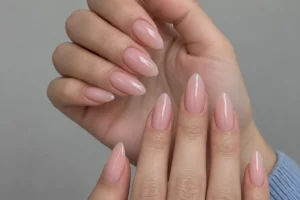
Sheer blush pink adds a light tint without completely covering the natural nail.
It’s a useful starting point if you want a change from clear polish but don’t want an opaque pastel.
Compare the pink on a painted sample. Your natural nail color remains part of the finished result, so the same sheer polish can look different from one person to another.
Choose a formula designed to be translucent rather than trying to spread an opaque pink unevenly. Essie includes sheer pink among its spring polish options.
Best for: A light pink manicure with visible natural nail.
2. Milky Pink
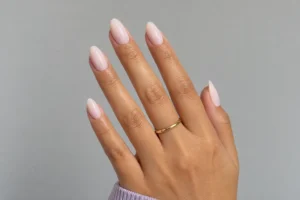
Milky pink brings a soft white influence into a pale pink base.
The result has more presence than a sheer wash, although some formulas still allow a little of the nail to show through.
Decide whether you want translucent coverage or a solid pastel before choosing. Both may be described as milky pink.
Short squoval nails give the color a tidy outline. Longer almond nails leave more room for the creamy finish to stand out.
Best for: A simple pink manicure with a soft, cloudy appearance.
3. Dusty Rose
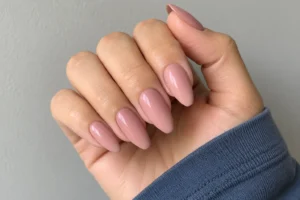
Dusty rose gives pink a muted quality, with possible beige, mauve, or brown undertones.
It’s worth comparing when very pale pink feels too light but brighter rose looks stronger than you want.
A beige-leaning version gives a warmer result. A mauve-based shade brings a cooler influence.
Keep the manicure solid if the color is the main feature. A small pearl or metallic accent is optional rather than necessary.
Best for: Spring pink with a little more depth.
4. Pale Lilac
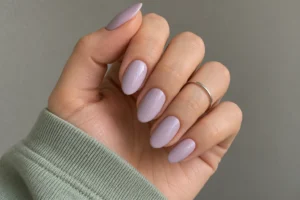
Pale lilac introduces purple without moving straight into a strong violet.
Some versions look distinctly pink, while others appear cooler and closer to lavender.
Compare two or three samples together. The difference is often easier to see side by side than by looking at each bottle separately.
A glossy finish keeps the pastel clear. A fine shimmer adds reflection while leaving the main color recognizable.
Best for: A gentle purple alternative to pink.
5. Creamy Lavender
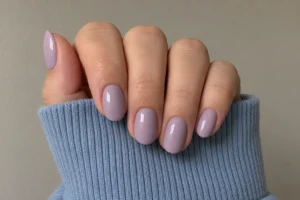
Creamy lavender gives pale purple a more opaque, defined appearance.
Look for a shade with enough purple to remain visible beside the white in the formula. Very pale versions can look almost white in bright light.
If your first layer looks uneven, follow the recommended application before deciding whether the coverage is right.
You can also place lavender on the tips over a sheer base if you prefer less full-nail color.
Best for: A pastel purple manicure with clear coverage.
6. Butter Yellow
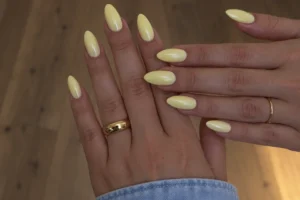
Butter yellow is a softened yellow with a creamy rather than neon appearance.
A pale version gives a small amount of warmth. A deeper buttery shade makes the yellow more obvious.
Check whether the polish leans cream, lemon, or mustard. Those differences can change the result considerably.
Short nails give this shade a compact block of color. Keep the edges neat and let the yellow remain the main detail.
Best for: A light manicure with visible warmth.
7. Peach Cream
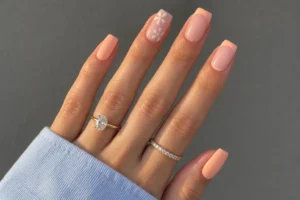
Peach cream combines pale orange with pink and a little white.
It offers a warmer alternative to milky pink without the brightness of coral.
Compare the amount of orange in the shade. One peach may look almost beige, while another is noticeably apricot.
If the color seems too close to your skin for the result you want, try a slightly lighter or deeper version to create a clearer outline.
Best for: A soft, warm pastel.
8. Apricot Coral
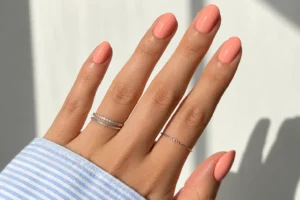
Apricot coral brings more color than peach cream, combining pink and orange in a brighter finish.
Choose a pinker version for a rosier result or an orange-leaning shade for stronger warmth.
Try it as a solid manicure before adding decoration. The color already creates a noticeable contrast.
A coral French tip is another option if you enjoy the shade but want more of the base left uncovered.
Best for: A brighter spring manicure without neon color.
9. Mint Green
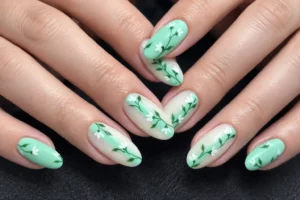
Mint green gives the nails a pale green finish that may lean blue or yellow.
A blue-based mint looks cooler. A yellow-based version feels warmer and can sit closer to pistachio.
Compare a solid cream with a sheer or shimmer formula. Coverage changes how strongly the green appears.
Mint also works as one color in a pastel set, especially when the other shades have similar depth.
Best for: A clear pastel change from pink and purple.
10. Sage Green
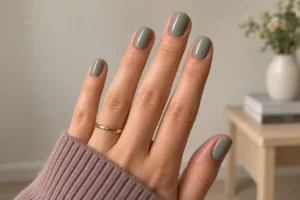
Sage green adds gray to green, creating a more muted result than mint.
It’s an option to compare if you enjoy color but prefer a quieter manicure.
Some sage shades look pale and silvery, while others are deeper and closer to olive. Check them in daylight before deciding.
A glossy finish brings reflection to the muted base. Matte gives a softer surface, although it changes how the color appears.
Best for: An understated green manicure.
11. Pistachio Green
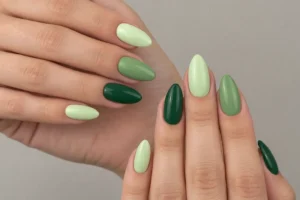
Pistachio green has a yellow influence that separates it from a cooler mint.
A pale version gives a soft pastel result. A stronger yellow-green creates more contrast.
Compare the shade with butter yellow if you’re deciding between them. Pistachio should retain enough green for the difference to remain visible.
Keep extra colors limited if you want the shade to be easy to appreciate.
Best for: A warm green with a little more character than a neutral.
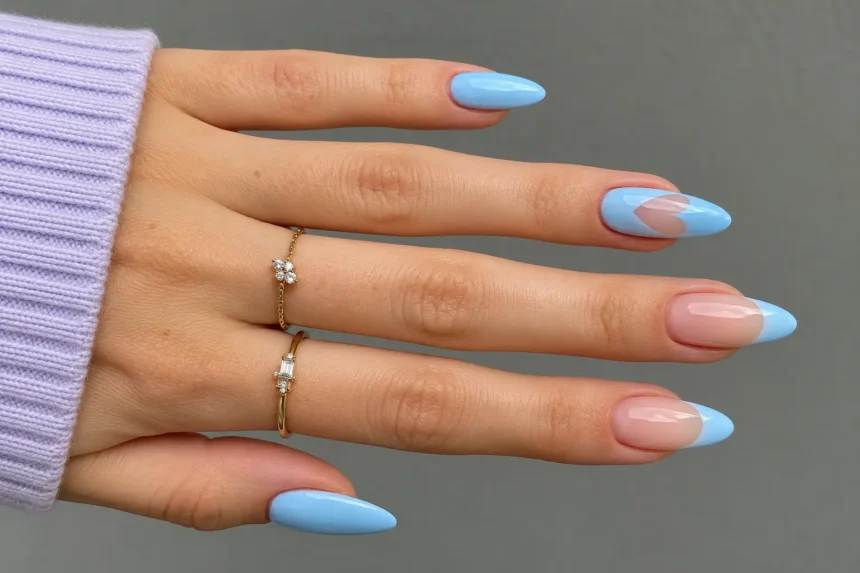
12. Powder Blue
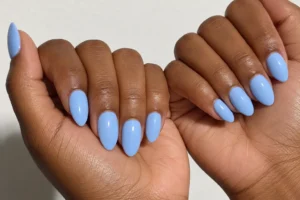
Powder blue combines pale blue with a soft white base.
It gives a cooler result than the pinks, peaches, and yellows in this list.
Check the depth before painting the whole hand. An extremely pale blue may read almost white, while a slightly stronger version keeps the blue clearer.
Short round and squoval nails suit the simple finish, but the color also works on longer shapes.
Best for: A light blue manicure with a clean outline.
13. Periwinkle
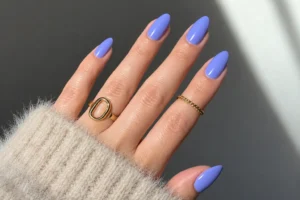
Periwinkle sits between blue and violet.
It offers more color than powder blue while staying softer than a saturated royal blue or purple.
Compare it beside lilac to see which direction you prefer. A blue-leaning periwinkle creates a different result from a pinker pastel purple.
Use it across the whole hand or pair it with one sheer accent nail.
Best for: A pastel with a noticeable blue-purple balance.
14. Creamy Beige
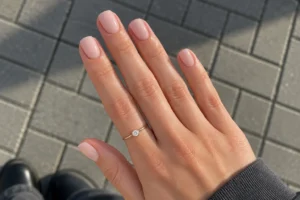
Creamy beige gives you a neutral option when you want a break from more colorful polish.
The undertone makes a considerable difference. Beige can lean peach, pink, yellow, or gray.
Decide whether you want the polish to blend closely with your hands or create a visible contrast. Neither requires choosing the palest bottle.
Compare a few depths on painted samples. A shade called “nude” won’t look equally neutral on everyone.
Best for: An understated manicure with opaque coverage.
15. Pearl White
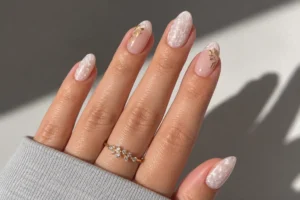
Pearl white adds fine reflection to a soft white base.
A sheer version lets the natural nail remain part of the color. A more opaque formula creates a clearer white manicure.
Check whether the shimmer looks silver, pink, or gold as it catches the light.
Keep the finish fine if you want a pearly glow rather than visible glitter. One pearl accent nail can also sit beside plain pink or beige.
Best for: A light manicure with gentle reflection.
How to Choose Nail Polish for Spring
You don’t need to wear pastels simply because the season changes.
Start with the colors you already enjoy, then decide whether you want a lighter depth, different undertone, or new finish.
| If you want | Compare these options |
|---|---|
| A barely-there tint | Sheer blush pink |
| A creamy pink | Milky pink |
| A muted shade with depth | Dusty rose or sage |
| A soft purple | Pale lilac or lavender |
| A warmer pastel | Butter yellow or peach cream |
| A brighter manicure | Apricot coral |
| A cool color | Powder blue or periwinkle |
| A warm green | Pistachio |
| A simple neutral | Creamy beige |
| A reflective finish | Pearl white |
Painted samples are more useful than bottle names alone.
Check them in daylight and indoor lighting. Choose the shade you enjoy wearing rather than ruling out a color because of a rigid undertone chart.
Choose the Finish Alongside the Color
Two similar shades can create different manicures when their coverage changes.
Sheer
Sheer polish leaves some natural nail visible.
It suits a light tint, but it won’t necessarily conceal differences in the nail beneath it.
Cream
A cream finish gives more consistent color without obvious shimmer.
It’s useful when you want a clearly defined pastel or neutral.
Pearl or Fine Shimmer
Reflective particles add detail as the hands move.
Check the full combination on a sample because the shimmer can make the base look lighter or change its apparent tone.
Gloss or Matte
Gloss adds a visible reflection. Matte reduces shine and gives the shade a different surface.
Test the top coat over your chosen color before committing to the whole manicure.
Make the Shade Fit Your Nail Length
Short nails can carry any of these colors.
A solid cream gives a compact block of color, while a sheer pink leaves the outline softer.
On longer nails, pale shades cover a larger visible area and may feel more noticeable than you expected.
If you want less coverage, try a narrow colored tip or one accent nail.
Choose a length that fits your usual activities. Spring polish doesn’t require extensions or detailed art.
Simple Ways to Combine Spring Shades
Pair Two Related Colors
Try milky pink with dusty rose or powder blue with periwinkle.
Related shades offer variation without making every nail look unrelated.
Choose a Pastel Set With Similar Depth
Mint, lilac, peach, blue, and yellow can work together when none is dramatically brighter than the others.
Compare the bottles together before painting.
Keep One Accent Nail
Use pearl white beside glossy pink or place lilac on one nail within a beige set.
One change may give you enough detail without additional decoration.
Try Colored Tips
Coral, lavender, and blue can sit along the free edge over a sheer base.
Keep the tip width suited to your nail length so the base remains visible.
Getting a Smooth Spring Manicure
Shape the nails before painting and use the base coat recommended for your polish.
Apply controlled layers rather than loading the brush heavily to achieve immediate coverage.
Pale cream formulas may look uneven at first. Judge the result after the recommended application instead of repeatedly brushing over a partially set layer.
Keep the color away from the surrounding skin.
Follow the product’s drying directions before adding details or top coat. If you choose gel, follow the manufacturer’s instructions for application, compatible lamp, and curing.
Common Spring Nail Polish Mistakes
Choosing Only From a Screen
Lighting and display settings can alter pastel shades.
Use photographs to narrow the options, then compare painted samples where possible.
Expecting Every Pink to Look Similar
Sheer blush, milky pink, and dusty rose differ in both coverage and undertone.
Choose the effect before choosing the bottle.
Applying Thick Layers to Hide Streaks
A heavy layer can be harder to control.
Follow the formula’s recommended application and allow the appropriate drying time.
Mixing Pastels With Very Different Depths
One strongly saturated nail may stand out more than intended.
Compare the colors as a group before painting.
Adding Decoration to Every Shade
A solid pastel can look complete on its own.
Choose one main detail if you want art, then leave enough plain color around it.
Final Takeaway
Nail polish for spring can be sheer and understated, creamy and pastel, or brighter with coral and green. Milky pink keeps the result soft, lilac introduces purple, and powder blue offers a cooler change.
Compare the shade and finish together, then adapt the manicure to the length you already have. A well-chosen solid color can be enough on its own.
Frequently Asked Questions
What nail polish colors work well for spring?
Sheer pink, lilac, butter yellow, peach, mint, sage, and powder blue offer a range of options. Choose according to the depth and amount of color you prefer.
Do spring nails have to be pastel?
No. Coral, deeper rose, bright green, and other stronger shades are options too. Seasonal color suggestions don’t need to limit your choice.
Which spring shade is easiest to start with?
A sheer blush pink or a familiar dusty rose is a useful starting point. If you want something different, compare lilac with powder blue.
Can I wear spring colors on short nails?
Yes. Solid pastels, sheer pinks, and small colored tips all work on short natural nails.
Why does pastel polish look streaky?
The formula, brush loading, and application can affect coverage. Follow the product’s directions and avoid repeatedly working over a layer as it begins to set.
What’s the difference between lilac and lavender?
The names overlap between brands. Lilac often suggests a pinker purple, while lavender may appear cooler, but painted samples give a clearer comparison.
Can I mix several spring shades in one manicure?
Yes. Similar depth and a consistent finish can help the colors look coordinated.
What should I ask for at the salon?
Describe the shade, coverage, shape, and finish. For example: “Short squoval nails with opaque powder blue polish, a glossy finish, and no extra art.”
Our Editorial Approach
Beauty and self-care information should be clear and easy to use. Our goal is to help you understand your options and make more informed choices about your everyday routine.
Our articles are for educational purposes only and do not replace advice from a qualified healthcare professional.