
When your nails flex at the slightest pressure, peel at the tips, or refuse to hold their shape, it is easy to assume that something must be wrong. In many cases, bendy nails are simply thin, dry, or repeatedly exposed to water and beauty treatments. Your natural nail thickness also plays a role. Still, a noticeable change across several nails can occasionally point to an underlying skin condition, iron deficiency, thyroid problem, or other health issue.
- Why Are My Nails So Bendy in the First Place?
- Common Reasons Your Nails Feel Soft and Flexible
- 1. Your nails are naturally thin
- 2. Frequent water exposure is weakening the nail plate
- 3. Acetone, polish remover, and cleaning products are drying them out
- 4. Gel or acrylic removal has thinned the surface
- 5. You use your nails as tools
- 6. Your nails are too long for their current strength
- 7. Iron deficiency may be affecting nail shape and strength
- 8. Thyroid changes can affect nail growth
- 9. A skin condition is involving the nails
- 10. Aging, pregnancy, or a recent illness has changed nail growth
- Are Bendy Nails the Same as Brittle Nails?
- How to Make Soft, Bendy Nails Feel Stronger
- Keep them comfortably short
- Moisturize after every wash
- Wear gloves for wet or chemical work
- Take a break from enhancements
- Be cautious with nail hardeners
- Eat a varied diet instead of guessing at supplements
- What Not to Do
- When to See a Doctor or Dermatologist
- The Bottom Line
- Frequently Asked Questions
The useful question is not only why your nails feel flexible, but whether they have always been that way. Nails that have been naturally soft for years are usually less concerning than nails that suddenly become weak, spoon-shaped, discolored, painful, or separated from the nail bed.
Why Are My Nails So Bendy in the First Place?
Your nail plate is made of layers of keratin, a strong structural protein. Healthy nails are not completely rigid. They need a little flexibility so they can absorb everyday pressure without snapping. Problems begin when the nail plate becomes too thin, loses moisture too quickly, or develops weak layers that bend and split.
Fingernails often reveal the effects of daily habits before toenails do because your hands are washed, sanitized, cleaned, polished, and exposed to chemicals more frequently. The pattern across your nails can offer useful clues about the cause.
Common Reasons Your Nails Feel Soft and Flexible
1. Your nails are naturally thin
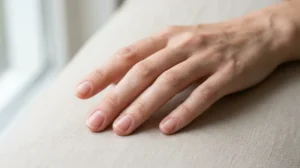
Some people inherit thinner nail plates. If your nails have always flexed easily but remain smooth, evenly colored, and comfortable, their softness may simply be part of your natural nail type. Genetics can influence nail thickness, growth rate, shape, and strength.
You cannot permanently turn a naturally thin nail into a much thicker one, but you can reduce preventable damage. Keeping the free edge shorter and protecting your hands during wet work often makes flexible nails easier to manage.
2. Frequent water exposure is weakening the nail plate
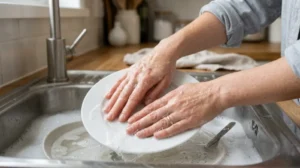
Nails absorb water and swell slightly when they get wet, then contract as they dry. Repeating this cycle through dishwashing, swimming, cleaning, or frequent handwashing can stress the layers of the nail plate. Over time, the tips may bend, peel, or split.
Water alone is not dirty or harmful, but long soaking sessions and repeated wet-to-dry cycles can be rough on already fragile nails. Household gloves with a soft inner lining can help when washing dishes or cleaning.
3. Acetone, polish remover, and cleaning products are drying them out
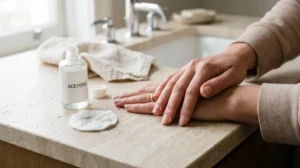
Solvents remove polish efficiently because they dissolve oils and resins. Unfortunately, they can also leave the nail surface and surrounding skin dry. Strong household cleaners may have a similar effect, especially when used without gloves.
If the flexibility became more noticeable after frequent polish changes, take a break from remover and use a fragrance-free hand cream after washing. Apply the cream over the nail plate and around the cuticle instead of moisturizing only the backs of your hands.
4. Gel or acrylic removal has thinned the surface
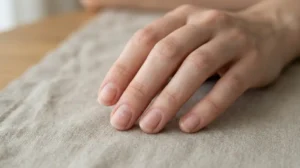
Gel polish and artificial nails do not automatically ruin every nail, but repeated filing, scraping, peeling, and soaking can remove superficial keratin layers. The American Academy of Dermatology notes that gel manicures can contribute to brittleness, peeling, and cracking, particularly when repeated without breaks.
Never peel off gel or acrylic product. The lifted coating can pull layers of your natural nail with it. Ask for gentle removal, avoid aggressive buffing, and allow damaged nail to grow forward before applying another enhancement.
5. You use your nails as tools
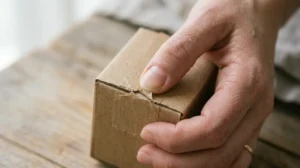
Opening cans, scraping labels, picking at tape, and prying lids place concentrated pressure on the nail edge. Thin nails may bend before they break, while repeated stress can create small splits that travel through the plate.
Keep a proper tool nearby for these jobs. A small change in habit can prevent more damage than adding another strengthening product.
6. Your nails are too long for their current strength
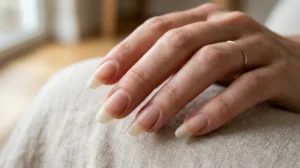
Length increases leverage. A soft nail that feels manageable when short may fold or tear once it extends beyond the fingertip. If the free edge bends during normal tasks, trim it back and file rough corners in one direction with a fine-grit file.
This is not a permanent solution to unexplained weakness, but it protects the nail while healthy growth replaces the damaged section.
7. Iron deficiency may be affecting nail shape and strength
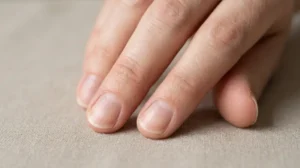
Iron deficiency can affect the nails, although flexible nails alone do not prove that you are deficient. More suggestive signs include fatigue, shortness of breath, dizziness, pale skin, headaches, or nails that become concave like a spoon. This nail shape is called koilonychia.
Do not start a high-dose iron supplement based only on nail texture. Too much iron can be harmful. A healthcare professional can review your symptoms and order appropriate blood tests if a deficiency is possible.
8. Thyroid changes can affect nail growth
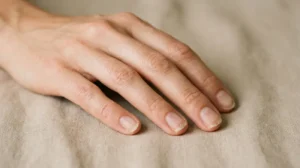
Thyroid conditions may change the speed and quality of nail growth. Hypothyroidism is often associated with dry skin and brittle or slow-growing nails, but nail flexibility by itself is not enough to diagnose a thyroid problem.
Seek medical advice if the nail change appears alongside unexplained weight change, unusual fatigue, feeling unusually cold or hot, hair changes, constipation, heart-rate changes, or menstrual changes.
9. A skin condition is involving the nails
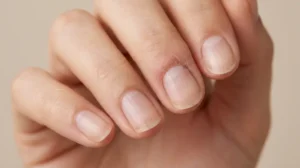
Eczema, psoriasis, and lichen planus can affect the tissue that produces the nail. Depending on the condition, you may notice pitting, ridges, splitting, discoloration, lifting, or rough skin around the fingertips.
If several nails change and you also have a persistent rash, scalp scaling, or joint symptoms, a dermatologist can help connect the pattern. Covering the changes with artificial nails may hide useful clues and sometimes worsens irritation.
10. Aging, pregnancy, or a recent illness has changed nail growth
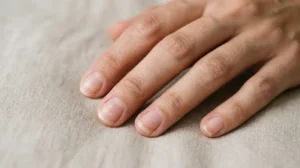
Nails can become more brittle with age, and pregnancy may temporarily make them harder, softer, or easier to break. A significant illness, fever, major stressor, or rapid weight loss can also interrupt nail growth. Because fingernails grow slowly, the visible change may appear weeks after the triggering event.
The NHS notes that pregnancy-related nail changes usually improve within about six months after giving birth. Persistent or worsening changes deserve a professional assessment.
Are Bendy Nails the Same as Brittle Nails?
Not exactly. A bendy nail is unusually flexible and may fold before breaking. A brittle nail tends to crack, split, or crumble with limited pressure. The two problems can occur together when a nail plate is thin and peeling, but some naturally flexible nails are not brittle.
Notice whether your nails bend smoothly or separate into layers at the tips. Peeling layers often suggest repeated water exposure, product damage, or mechanical stress. Thick, yellow, crumbly nails point toward a different problem, such as a fungal infection, and should not be treated as simple softness.
How to Make Soft, Bendy Nails Feel Stronger
Keep them comfortably short
Trim the nails before the free edge becomes long enough to catch and fold. Round fingernails slightly at the corners to reduce snagging. Use a fine file and stop if the edge begins to fray.
Moisturize after every wash
Apply a thick, fragrance-free hand cream or ointment while the skin is still slightly damp. Massage a small amount over each nail and cuticle. Moisturizer will not instantly thicken the nail, but it can reduce dryness and improve flexibility at the surface.
Wear gloves for wet or chemical work
Use protective gloves while washing dishes, cleaning bathrooms, gardening, or handling detergents. If your hands sweat inside rubber gloves, choose a pair with cotton lining or wear thin cotton gloves underneath.
Take a break from enhancements
Pause gel, dip powder, acrylics, and frequent polish removal long enough to observe new growth. A fingernail generally needs several months to replace itself, so improvement appears gradually from the base rather than overnight at the tip.
Be cautious with nail hardeners
A strengthening coat can temporarily make the nail feel more rigid, but very hard nails may snap instead of flexing. Some formulas also contain ingredients that irritate sensitive skin. Stop using a product if it causes burning, redness, peeling, or worsening dryness.
Eat a varied diet instead of guessing at supplements
Protein, iron, zinc, and other nutrients support normal nail growth, but supplements are not a universal cure. Biotin is commonly marketed for weak nails, yet it can interfere with certain laboratory tests. Discuss persistent nail changes and supplements with a healthcare professional, particularly if you take medication or have other symptoms.
What Not to Do
Do not buff thin nails aggressively, peel off polish, cut the cuticles, or glue a painful split without checking how deep it goes. Avoid using formaldehyde-heavy hardeners continuously, and do not cover a discolored or lifting nail simply to improve its appearance.
If a nail is separating rather than merely bending, read our guide on what to do when a fingernail is falling off but still attached. Protecting the nail bed and avoiding further trauma becomes more important once separation has started.
When to See a Doctor or Dermatologist
Arrange an appointment if the change is new, affects most of your nails, keeps worsening, or continues despite several weeks of gentle care. Seek advice sooner if the nails become painful, swollen, discolored, spoon-shaped, deeply ridged, pitted, or separated from the nail bed.
You should also mention related symptoms such as unusual fatigue, breathlessness, unexplained weight change, hair loss, persistent rash, joint pain, or changes in circulation. A clinician may examine the nails, review your routine and health history, and order tests only when the pattern suggests an underlying cause.
The Bottom Line
Understanding why your nails are so bendy starts with looking at timing, daily exposure, manicure habits, and changes elsewhere in your body. Naturally thin nails are common, while water, chemicals, long length, and rough product removal can make flexibility worse. Protect your hands, moisturize regularly, keep the nails short, and allow damaged areas to grow out. If the change is sudden, widespread, or accompanied by pain, discoloration, spooning, fatigue, or other symptoms, arrange a medical assessment rather than relying on supplements or hardeners alone.
Frequently Asked Questions
Are bendy nails always unhealthy?
No. Some people naturally have thin, flexible nails. Long-standing softness without pain, discoloration, separation, or other symptoms is often a normal variation.
Can dehydration make nails bendy?
Dryness can contribute to peeling and brittleness, but drinking extra water does not automatically correct soft nails. Moisturizing the nail surface and reducing repeated wet-to-dry cycles are usually more practical steps.
Does iron deficiency cause flexible nails?
Iron deficiency can affect nail strength and may cause spoon-shaped nails, but bendiness alone is not diagnostic. Blood testing is the appropriate way to confirm a deficiency.
How long does it take weak nails to recover?
Improvement appears as new nail grows from the base. A full fingernail commonly takes several months to replace itself, so damaged tips must gradually grow out.
Should I use biotin for bendy nails?
Biotin may be recommended in selected cases, but evidence is limited and it can interfere with some blood tests. Ask a qualified healthcare professional before starting it.
Why are my nails so bendy after gel manicures?
Yes. Repeated filing, soaking, scraping, and peeling during gel use or removal can thin the nail surface and contribute to softness, peeling, and cracking.
Our Editorial Approach
Beauty and self-care information should be clear and easy to use. Our goal is to help you understand your options and make more informed choices about your everyday routine.
Our articles are for educational purposes only and do not replace advice from a qualified healthcare professional.