

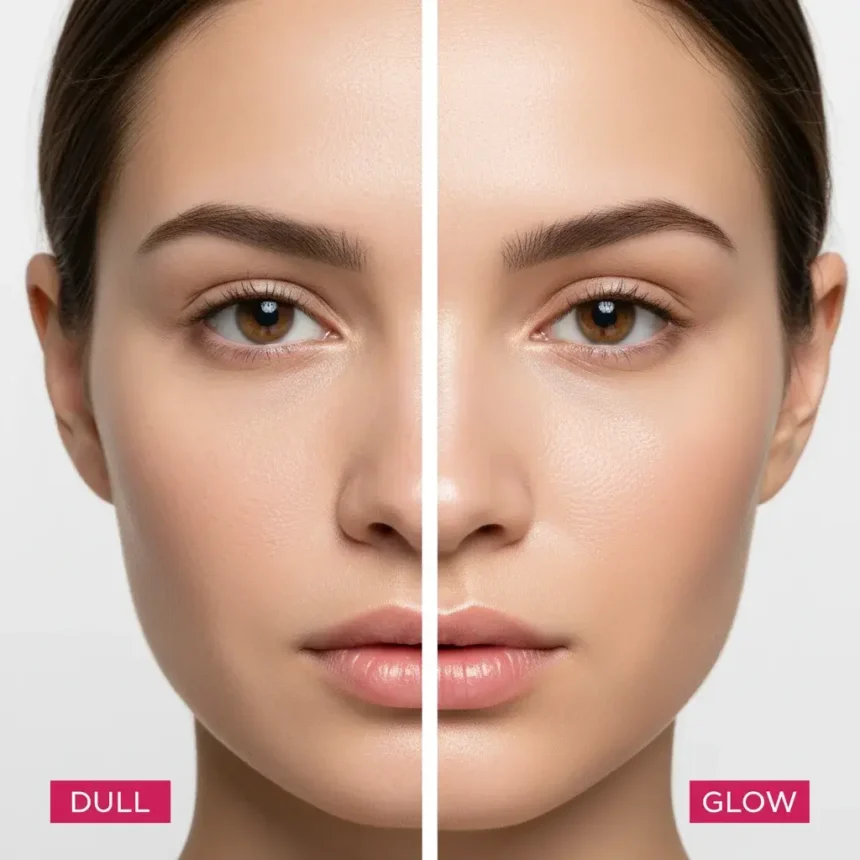
Some mornings, your skin looks fine. On others, it seems flat, tired, or slightly gray even though you followed the same routine the night before. Makeup may cling around the nose, your cheeks may feel rough, or your usual moisturizer may not give you that fresh, comfortable finish.
- What People Mean When They Say Their Skin Looks Dull
- Why Does My Skin Look Dull Even When I Use Good Products?
- Dead Skin Has Built Up on the Surface
- Your Skin Needs Water, Oil, or Both
- Your Cleanser Is Doing Too Much
- You Are Exfoliating More Than Your Skin Can Handle
- Sun Exposure Has Made the Tone Uneven
- Your Nighttime Products Are Too Heavy
- Stress and Poor Sleep Are Showing on Your Face
- Smoking and Everyday Pollution Play a Part
- A Routine That Helps Without Overwhelming Your Skin
- How Often Should You Exfoliate?
- Ingredients Worth Looking For
- Small Habits That Make a Visible Difference
- When Will Your Skin Start Looking Better?
- When Dullness Deserves a Medical Check
- Conclusion
- Frequently Asked Questions
This does not automatically mean your skin is unhealthy. A dull appearance is often the result of ordinary things: a dry surface, a few late nights, product buildup, too much exfoliation, or months of inconsistent sun protection. Once you work out which of these is affecting you, the solution is usually much simpler than buying an entirely new skincare routine.
What People Mean When They Say Their Skin Looks Dull
“Dull” is not a specific skin condition. It is a way of describing skin that has lost some of its usual clarity or brightness. Instead of reflecting light evenly, the surface may look rough, dry, ashy, shadowed, or uneven.
You might notice one or more of these changes:
- Foundation sits unevenly or catches on dry patches.
- Your complexion looks tired even after a full night’s sleep.
- The skin feels tight after cleansing but becomes oily later.
- Old blemish marks seem more noticeable.
- Your face looks less fresh than your neck or chest.
- The texture feels rough when you run clean fingers over it.
Dullness can show up on every skin tone. It may look pale or washed out on lighter complexions and ashy or uneven on deeper complexions.
It can also happen alongside oiliness. In fact, oily skin is sometimes dehydrated underneath, especially after frequent washing or the use of strong acne products.
Those old marks left behind after a pimple usually have a name too. It’s called post-inflammatory hyperpigmentation. It is not an active blemish anymore, so spot treatments will not touch it. Sunscreen and a few patient months usually do more than a stronger product would.
If shine is most noticeable in the morning, read our guide to waking up with an oily face.
Why Does My Skin Look Dull Even When I Use Good Products?
Expensive products cannot compensate for a routine that is too harsh, inconsistent, or simply wrong for your skin. Often, dullness is not caused by one dramatic problem. It is the combined effect of small habits that gradually make the surface feel rough or dehydrated.
Dead Skin Has Built Up on the Surface

Your skin is always renewing itself. Older cells move toward the surface and eventually shed, but they do not always come away evenly. When they linger, the skin can feel rough and reflect less light.
This is one reason the face may look brighter after gentle exfoliation. The effect should be subtle, though. If your skin feels squeaky, hot, shiny, or sore afterward, the product is too strong or you are using it too often.
Your Skin Needs Water, Oil, or Both

Dry and dehydrated skin are not exactly the same. Dry skin naturally produces less oil, while dehydrated skin is short on water. You can even have an oily T-zone and dehydrated cheeks at the same time.
Indoor heating, air conditioning, cold weather, hot water, and strong cleansers can all leave the surface less comfortable. Fine lines may look deeper, foundation may separate, and the face can lose some of its natural softness.
Your Cleanser Is Doing Too Much

A cleanser should remove sweat, sunscreen, makeup, and everyday grime without leaving your face tight. That tight feeling is not proof that your skin is extra clean. It usually means some of the oils that keep the skin comfortable have been stripped away.
If your face feels dry immediately after washing, try a cream or low-foaming cleanser and use lukewarm water. Morning cleansing can also be very light. People with dry or sensitive skin may only need a water rinse when they wake up.
Sometimes it is not about stripping too much, but reacting to something new. Fragrance, a fresh sunscreen, or a “gentle” cleanser can quietly irritate the skin without ever turning into a full rash. If your skin stalls no matter what you add, try removing the newest product before adding another one.
You Are Exfoliating More Than Your Skin Can Handle
It is easy to mistake irritation for a need to exfoliate again. The skin looks rough, so you add another acid, scrub, or peel. For a day it may look smoother, but repeated use can leave it flaky, red, and even duller.
Check the ingredient lists of your toner, serum, mask, and cleanser. You may be using exfoliating ingredients in several steps without realizing it. Salicylic acid, glycolic acid, lactic acid, enzyme powders, and retinoids all affect the way surface cells shed.
Sun Exposure Has Made the Tone Uneven

UV exposure can gradually make pigmentation, fine lines, and rough texture more visible. You may not see the change after one sunny afternoon, but months of inconsistent protection can make the complexion look less even.
A broad-spectrum sunscreen with SPF 30 or higher is the most useful brightening product in a routine because it helps prevent new sun-related discoloration. The American Academy of Dermatology also recommends choosing a water-resistant formula and reapplying it when you are outdoors.
Your Nighttime Products Are Too Heavy

A thick sleeping mask or facial oil can feel comforting, but it is not always what the skin needs. Heavy layers may trap sweat, mix with dead skin and sebum, or make the face look puffy and greasy by morning.
Try using a smaller amount for a week. A pea-sized layer of moisturizer is often enough for the face, although very dry skin may need more. Apply it to slightly damp skin instead of piling several rich products over a dry surface.
Stress and Poor Sleep Are Showing on Your Face

One late night will not permanently change your skin, but it can make under-eye shadows, puffiness, and dehydration more obvious the next morning. When poor sleep becomes a pattern, you may also rush your routine, touch your face more often, or rely on sugary snacks and extra caffeine.
You do not need a perfect wellness routine. A steady bedtime, a little movement during the day, and a glass of water beside your bed are more realistic than trying to “detox” your way to glowing skin.
Smoking and Everyday Pollution Play a Part

Smoke and environmental pollution expose the skin to particles and oxidative stress. By the end of the day, these sit alongside sunscreen, makeup, sweat, and oil.
A gentle evening cleanse is usually enough to remove the buildup. Scrubbing harder will not clean pollution more effectively; it is more likely to irritate the skin barrier.
A Routine That Helps Without Overwhelming Your Skin
If your shelf is crowded, simplify it for two or three weeks. A basic routine makes it easier to see what your skin actually needs.
In the Morning
- Cleanse lightly. Use a gentle cleanser, or rinse with lukewarm water if your skin is comfortable and not oily.
- Use one optional serum. Niacinamide or vitamin C can support a more even-looking complexion, but neither is essential.
- Moisturize while the skin is slightly damp. This helps hold water at the surface.
- Finish with sunscreen. Choose broad-spectrum SPF 30 or higher and cover the face, ears, and neck.
At Night
- Remove the day. Cleanse away makeup and sunscreen without rubbing the skin raw.
- Use treatment products on separate nights. Do not layer an exfoliating acid, retinoid, and strong acne treatment unless a dermatologist has told you to do so.
- Apply a plain moisturizer. Look for familiar barrier-supporting ingredients such as glycerin, ceramides, or squalane.
If your face stings when you apply even a simple moisturizer, stop exfoliating for a while. Use a mild cleanser, moisturizer, and sunscreen until the skin feels comfortable again.
How Often Should You Exfoliate?
Once a week is a sensible starting point. If your skin remains calm, you may be able to exfoliate twice weekly. Daily exfoliation is unnecessary for most people and can easily turn a brightness routine into a barrier problem.
The right exfoliant depends on your skin:
- Lactic acid is often a comfortable option for skin that looks dry or rough.
- Salicylic acid can be helpful when oil and clogged pores are part of the problem.
- Glycolic acid can smooth the surface but may be too strong for sensitive skin.
- A soft washcloth offers very mild physical exfoliation without a gritty scrub.
Do not exfoliate skin that is sunburned, peeling, cracked, or actively irritated. Stop if you notice lasting redness, burning, or tenderness.
Ingredients Worth Looking For
You do not need every popular brightening ingredient. Choose one or two based on what your skin is missing.
- Glycerin: draws water into the outer layer of the skin and suits most routines.
- Ceramides: support the protective barrier and are useful when the face feels dry or sensitive.
- Niacinamide: can support the barrier and improve the look of uneven tone.
- Vitamin C: may help with brightness and discoloration when used consistently.
- Retinoids: can improve texture and uneven tone over time, but they should be introduced slowly.
- Petrolatum: reduces water loss from very dry areas and works well as a final step on flaky patches.
Patch-test new formulas and introduce only one active product at a time. If you are pregnant, trying to become pregnant, or breastfeeding, ask a healthcare professional before using a retinoid.
Small Habits That Make a Visible Difference
Fresh-looking skin is not built by skincare alone. Regular meals, enough sleep, and a routine you can maintain matter more than occasional expensive treatments.
Wash makeup brushes and pillowcases regularly. Avoid picking at flakes or squeezing clogged pores. Keep showers warm rather than very hot, and cleanse before bed when you have worn sunscreen or makeup. If the air in your room is extremely dry, a humidifier may make your skin feel more comfortable, although you will still need moisturizer.
Water and a balanced diet support general health, but be wary of products promising an overnight “detox glow.” No tea, juice, or supplement can replace sunscreen or repair an irritated skin barrier in a few hours.
When Will Your Skin Start Looking Better?
Dryness can improve within a few days when you use a gentler cleanser and the right moisturizer. Rough texture usually needs several weeks of consistent care. Dark marks and sun-related discoloration often take longer-sometimes a few months.
Try not to judge your skin under a different bathroom light every day. Take a photo in the same natural light every two to four weeks. It gives you a more honest view of whether the routine is working.
When Dullness Deserves a Medical Check
A gradual loss of brightness without other symptoms is usually not urgent. However, a sudden color change or dullness alongside unusual fatigue, dizziness, shortness of breath, hair loss, unexplained weight changes, yellowing of the skin or eyes, or a widespread rash should be discussed with a healthcare professional.
See a dermatologist if your skin remains itchy, painful, cracked, or inflamed, or if pigmentation and texture have not improved after a few months of gentle, consistent care.
Ongoing flaking around the nose or eyebrows, or redness that will not settle, can point toward seborrheic dermatitis or rosacea rather than everyday dullness, and both respond better to targeted treatment than to a simpler routine.
Conclusion
When you find yourself asking, “Why does my skin look dull?”, look at your routine before adding another product. A harsh cleanser, too much exfoliation, a dry environment, poor sleep, or skipped sunscreen may be doing more than you realize.
Bring your routine back to the basics: gentle cleansing, moisturizer, daily sun protection, and one carefully chosen treatment. Give those steps enough time to work. Skin rarely changes overnight, but it often responds well when you stop pushing it and start treating it consistently.
Frequently Asked Questions
Can oily skin still look dull?
Yes. Oil does not always mean the skin has enough water. An oily face can still be dehydrated, irritated, or covered with a buildup of dead surface cells.
Why does my face look tired after I moisturize?
Your moisturizer may be too heavy, or it may not address rough texture and uneven tone. Try using less product on slightly damp skin and review the rest of your routine for over-exfoliation.
Will drinking more water make my skin glow?
Drinking enough water supports normal health, but extra water is not a quick cure for dull skin. A suitable moisturizer and regular sunscreen usually make a more direct difference to the skin’s surface.
Can I use vitamin C every day?
Many people can, but sensitive skin may prefer it a few mornings a week. Start slowly and stop if you develop persistent stinging or redness.
Is a scrub good for dull skin?
A very gentle scrub can smooth the surface, but rough particles and heavy pressure may cause irritation. A mild chemical exfoliant or soft washcloth is often easier to control.
Can lack of sleep make skin look dull?
It can make dehydration, puffiness, and under-eye shadows more noticeable. Better sleep will not replace skincare, but it can help the face look more rested.
Our Editorial Approach
Beauty and self-care information should be clear and easy to use. Our goal is to help you understand your options and make more informed choices about your everyday routine.
Our articles are for educational purposes only and do not replace advice from a qualified healthcare professional.