
The little rolls usually come from product collecting on the surface as you spread or layer it. Simplifying the skincare underneath, letting layers settle, and easing up on repeated rubbing can help. Keep using the full sunscreen amount directed on the label.
- Why Does My Sunscreen Pill?
- 7 Ways to Apply Sunscreen Without It Pilling Off
- 1. Start With Clean Skin and Pat It Dry
- 2. Simplify the Layers Underneath
- 3. Let Moisturizer Settle Before Adding SPF
- 4. Apply Sunscreen Separately and Keep the Full Amount
- 5. Spread It Evenly Without Repeated Buffing
- 6. Give Sunscreen Time Before Makeup
- 7. Compare Formulas One Change at a Time
- A Quick Way to Find the Problem Layer
- What to Do When Sunscreen Has Already Pilled
- Frequently Asked Questions
- Does sunscreen pilling mean it isn’t working?
- Should I exfoliate to stop sunscreen from pilling?
- Why does my sunscreen pill even without moisturizer?
- Can I put moisturizer on top to smooth the pills?
- Do I need a silicone-free sunscreen?
- A Smoother Finish Starts With a Simpler Routine
It’s especially frustrating when everything looks fine until foundation goes on. Before replacing your whole routine, notice exactly when the crumbs appear. That detail tells you more than the price of your sunscreen or whether the tube says mineral.
Why Does My Sunscreen Pill?
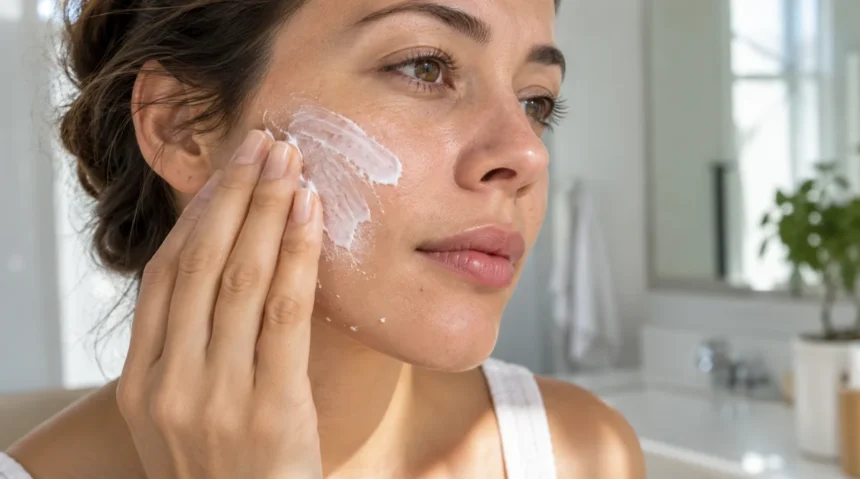
Pilling is the small balls, threads, or flecks of product that appear during application. A moisturizer and sunscreen can each feel lovely alone, yet roll up when layered together. A thick stack of skincare and repeated back-and-forth rubbing can make the problem more noticeable.
It doesn’t automatically mean your face is dirty or that your sunscreen is poor quality. The complete formulas, the layers underneath, and how you apply them all matter. Blaming one ingredient from the label rarely gives you the whole answer.
Also check whether you’re seeing product or skin. Product pills tend to form as you move your fingers over an applied layer. Dry skin may already look flaky before skincare goes on and can feel tight or sore. If that sounds familiar, start with recognizing an irritated skin barrier rather than scrubbing harder.
7 Ways to Apply Sunscreen Without It Pilling Off
1. Start With Clean Skin and Pat It Dry

Give sunscreen a reasonably clean surface. Gently cleanse as needed, rinse away cleanser, and pat dry with a soft towel. You don’t need a squeaky-clean feeling, a cleansing brush, or a second wash simply because yesterday’s sunscreen pilled.
Pay attention around the hairline and sides of the nose, where cleanser or last night’s products can linger. Avoid rubbing a towel repeatedly over flaky patches. Unless your sunscreen specifically allows application to wet skin, apply it to dry skin according to its directions.
2. Simplify the Layers Underneath
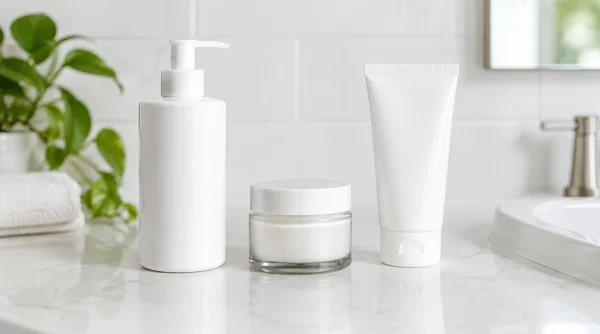
A hydrating toner, essence, serum, rich cream, facial oil, and primer create several possible points of friction before sunscreen even arrives. For a troubleshooting morning, keep your routine to cleansing, a comfortable moisturizer if needed, and sunscreen.
Use enough moisturizer to relieve dryness without leaving a thick, slippery coating. If your sunscreen is moisturizing enough on its own, a separate moisturizer may be unnecessary. Don’t skip prescribed treatment without asking the clinician who recommended it.
Once the simpler combination works, bring optional products back one at a time. That way, you’ll know whether adding a particular serum changes the finish.
3. Let Moisturizer Settle Before Adding SPF

If sunscreen starts rolling the moment it touches moisturizer, slow down between those two steps. Let the moisturizer settle instead of immediately working another product into a wet layer.
There isn’t one perfect waiting time for every formula. A light lotion and a rich cream won’t necessarily behave alike. Clip your hair back or get dressed while you wait, then follow any timing instructions provided by the products.
The pause between skincare layers is separate from the sunscreen’s directions about applying before sun exposure. Giving moisturizer a moment doesn’t replace that instruction.
4. Apply Sunscreen Separately and Keep the Full Amount
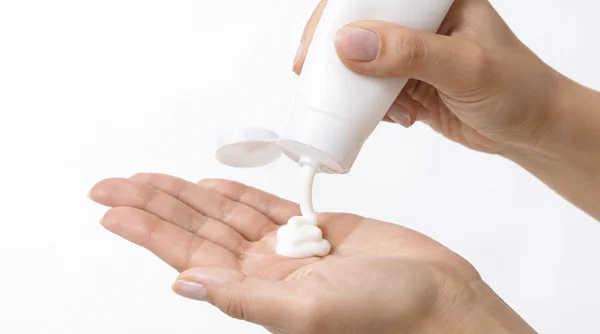
Don’t solve pilling by reducing sunscreen to a pea-sized dab. The amount and coverage matter. Follow the label, cover exposed areas evenly, and remember the ears and neck rather than stretching the amount intended for your face across them too.
Keep sunscreen separate from moisturizer, foundation, and facial oil. Mixing products together in your hand creates a combination whose protection you can’t assume matches the labeled SPF.
For everyday outdoor use, choose broad-spectrum SPF 30 or higher, with water resistance when needed. Follow the label’s application timing, typically 15 minutes before going outside. Sunscreen also works alongside shade and clothing, as explained in our guide to sun protection at a moderate UV Index.
5. Spread It Evenly Without Repeated Buffing
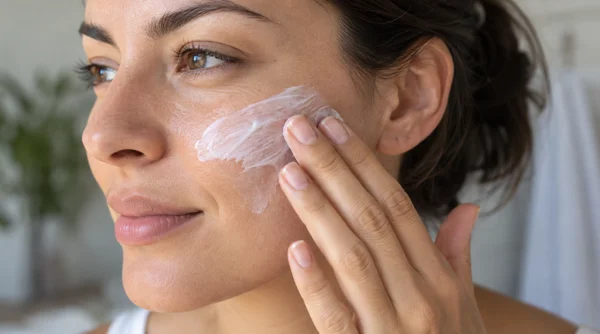
Use your finger pads to distribute the sunscreen across each area. Be gentle, but actually spread it: a few pats over scattered dots won’t necessarily produce even coverage.
Once the layer is distributed, resist going back over the same spot again and again. Repeated circles can turn a finish that was settling smoothly into visible crumbs. Watch whether the pilling starts during those extra passes.
If a formula leaves a white cast, harder rubbing isn’t always the answer. Let it settle as directed. If the finish remains unsuitable, consider a different formula or tint instead of removing part of the layer to make it disappear.
6. Give Sunscreen Time Before Makeup
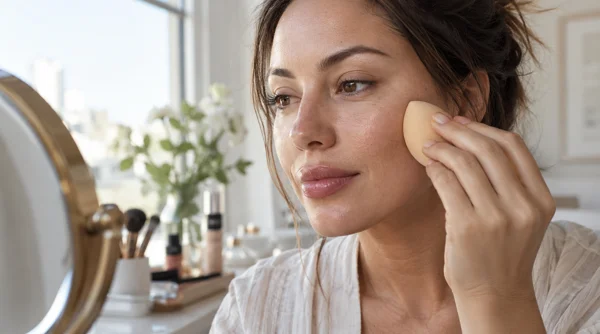
When sunscreen looks smooth alone but pills under makeup, check the next step. Allow the sunscreen to set before applying primer or foundation. Then use light pressure rather than dragging a brush repeatedly across your face.
A gentle pressing motion with a sponge may be worth trying for foundation, but no tool guarantees that sunscreen remains undisturbed. Use a light hand and avoid working one patch until the layers lift.
Try leaving out primer first. If foundation sits better without it, you’ve narrowed the problem to that extra layer or combination. You may not need to replace the sunscreen at all.
7. Compare Formulas One Change at a Time
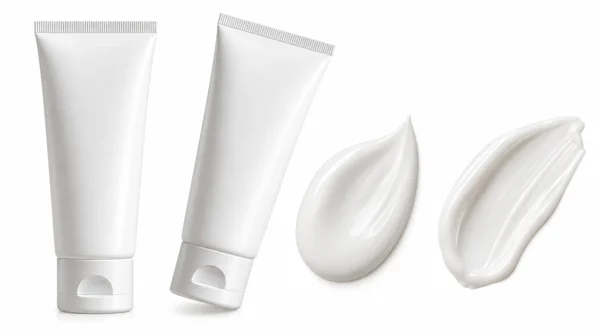
If pilling continues with a simple routine and gentle application, a different texture may suit you better. You don’t have to keep wrestling with a product that makes getting ready difficult.
Compare one alternative while keeping the rest of the routine similar. A lighter lotion may feel better over your moisturizer, while someone with dry skin may prefer a cream. Mineral and chemical sunscreens can both pill; neither label guarantees a smooth finish.
Check the expiration date and storage instructions too. If a product has unexpectedly changed texture or doesn’t recombine when shaken as directed, ask the manufacturer whether it should still be used. Don’t dilute it with water to make it spread.
A Quick Way to Find the Problem Layer
Think back to the first moment the texture changed. Use that as a starting point for your next application, rather than changing everything at once.
| What you notice | What to check next |
|---|---|
| Pills appear over moisturizer | Try fewer underlying layers and let moisturizer settle. |
| It looks fine until foundation | Pause before makeup, skip primer, and use lighter pressure. |
| Crumbs appear after repeated rubbing | Spread evenly, then stop reworking the same area. |
| Skin is flaky before applying anything | Address dryness or irritation instead of assuming it’s product residue. |
| The sunscreen pills even with a simple routine | Compare another formula and check the product’s condition. |
What to Do When Sunscreen Has Already Pilled
Stop rubbing and check the area. A few visible crumbs don’t tell you exactly how much protection remains, but widespread rolling or obvious gaps are reasons to be cautious about coverage.
If the layer is visibly breaking up, gently cleanse the affected area, pat dry, and reapply sunscreen as directed. For pilling across most of the face, starting over with a simpler routine may be less frustrating than trying to patch every spot.
Don’t dust away a substantial amount and assume the original SPF is intact. Foundation or setting spray won’t restore missing sunscreen. Stay in shade while you sort it out and allow the labeled time before sun exposure.
For reapplication outdoors, follow your sunscreen’s directions, usually at least every two hours and after swimming, sweating, or towel drying as specified. A smooth morning application doesn’t remove the need to reapply.
Frequently Asked Questions
Does sunscreen pilling mean it isn’t working?
It raises a coverage question, but you can’t calculate the remaining SPF from the crumbs. If the layer is rolling away or leaving gaps, reapply properly instead of assuming the protection is unchanged.
Should I exfoliate to stop sunscreen from pilling?
Not automatically. Product residue can look like dead skin, and exfoliating irritated skin can make it less comfortable. If your skin flakes even before applying products, review your routine and seek dermatology advice for persistent, painful, or unusual changes.
Why does my sunscreen pill even without moisturizer?
The sunscreen’s texture, residual products, or repeated rubbing may still be involved. Check the label and product condition, then compare a different formula if gentle application on clean skin doesn’t help.
Can I put moisturizer on top to smooth the pills?
Adding cream over a disrupted sunscreen layer won’t reliably repair coverage and may move it further. It’s better to remove the affected buildup gently and reapply sunscreen than to keep adding layers over it.
Do I need a silicone-free sunscreen?
Not necessarily. Seeing a silicone on an ingredient list doesn’t prove it’s causing your problem. Judge the complete product in your routine. Changing one layer at a time is more useful than ruling out every formula with the same ingredient.
A Smoother Finish Starts With a Simpler Routine
The next time you ask, “why does my sunscreen pill,” look at when it happens: over moisturizer, during repeated rubbing, or only after makeup. Start with that step, keep the full sunscreen amount, and change one thing at a time.
You shouldn’t need a complicated morning routine to make sunscreen wearable. A comfortable formula, fewer unnecessary layers, and gentle application are a sensible place to begin.
Our Editorial Approach
Beauty and self-care information should be clear and easy to use. Our goal is to help you understand your options and make more informed choices about your everyday routine.
Our articles are for educational purposes only and do not replace advice from a qualified healthcare professional.