
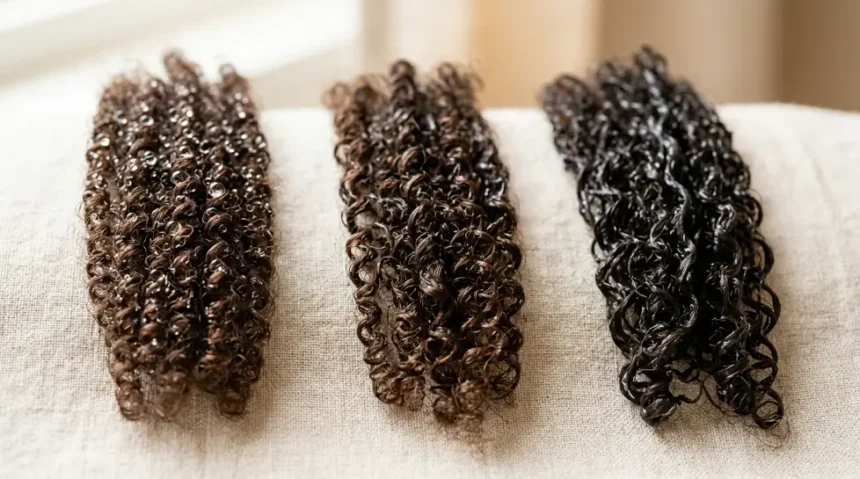
If you keep wondering why is my hair so dry. the answer usually involves more than a lack of conditioner. Overwashing, heat styling, chemical treatments, rough handling, environmental exposure, and naturally porous strands can all make it harder for hair to hold on to moisture.
- Why Is My Hair So Dry and Brittle?
- Common Causes of Dry Hair
- Washing too often
- Using shampoo throughout the lengths
- Heat and chemical processing
- Skipping protection after washing
- Rough detangling and towel drying
- Sun, chlorine, and dry weather
- Waiting too long between trims
- Why Is My Hair So Dry After Washing?
- How to Fix Dry Hair: 7 Practical Remedies
- 1. Adjust the way you shampoo
- 2. Use conditioner according to your hair type
- 3. Apply leave-in conditioner while hair is damp
- 4. Add a deep conditioning treatment
- 5. Reduce heat without giving up styling
- 6. Detangle and dry your hair more gently
- 7. Protect the ends and trim existing damage
- Dry Hair Even After Conditioning: What Should You Change?
- A Simple Routine to Make Dry Hair Soft Again
- When Dry Hair May Need Professional Attention
- Frequently Asked Questions
- Can dry hair become healthy again?
- Why is only the bottom half of my hair dry?
- How often should I deep-condition dry hair?
- Is coconut oil good for dry hair?
- Why does my hair feel like straw?
- How long does it take to fix dry hair?
- Final Takeaway
The good news is that dry hair often becomes softer and more manageable once you identify what is stripping it and adjust your routine. The goal isn’t to coat your hair in as much oil as possible. It’s to improve conditioning, reduce damage, and help your strands retain moisture between washes.
Why Is My Hair So Dry and Brittle?
Hair feels soft when its outer surface lies relatively smooth. When that outer layer becomes raised or damaged, strands lose moisture more easily and develop a rough, dull, or frizzy texture.
Some people are naturally more prone to dryness. Curly and coily hair, for example, may feel dry because scalp oils have a harder time traveling down bends and coils. Fine, straight hair may become dry for different reasons, such as frequent washing, bleaching, or repeated hot-tool use.
Here’s a quick way to narrow down the problem:
| What you notice | Possible reason |
|---|---|
| Hair feels rough immediately after washing | Shampoo may be too harsh, water may be too hot, or you may be washing too frequently |
| Ends feel dry but roots become oily | Shampoo is reaching the lengths, or the ends need more targeted conditioning |
| Hair feels dry even after conditioning | The conditioner may be too light, applied for too little time, or unable to compensate for existing damage |
| Strands snap easily and have split ends | Heat, bleach, chemical processing, or mechanical damage may have weakened the hair |
| Hair feels coated but still dry | Product buildup may be preventing water and conditioner from spreading evenly |
| Dryness is worse after swimming | Chlorine, salt water, and sun exposure may be contributing |
| Hair suddenly becomes dry along with scalp changes | A scalp condition, medication, hormonal shift, or health issue may need professional evaluation |
Common Causes of Dry Hair
Washing too often
Shampoo removes sweat, dirt, product residue, and excess oil. Washing more frequently than your scalp needs, however, can leave the lengths feeling stripped.
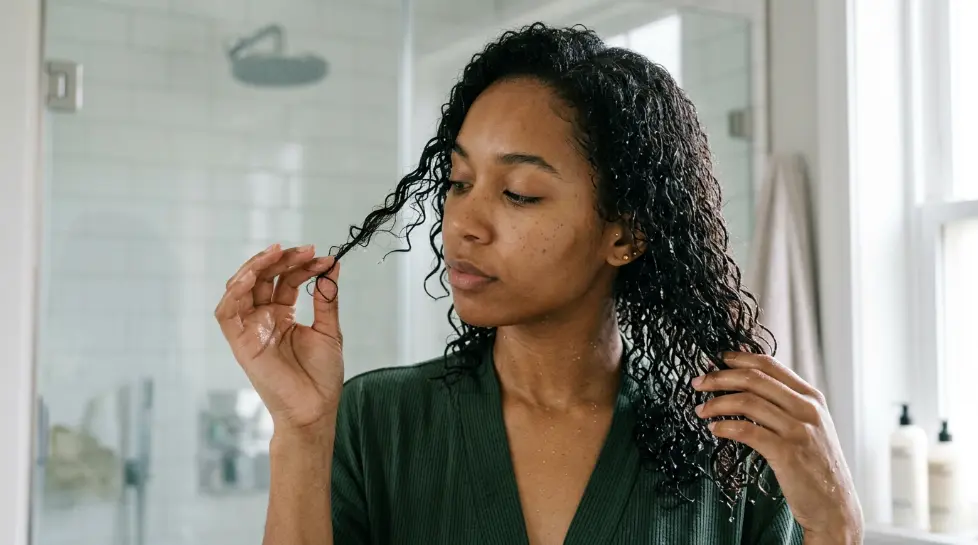
There isn’t one correct schedule for everyone. Someone with an oily scalp and fine hair may need frequent washing, while thick, curly, or coily hair may do better with more time between shampoos.
Using shampoo throughout the lengths
Most of the oil and buildup that needs cleansing sits on the scalp. Repeatedly scrubbing shampoo through the mid-lengths and ends can make already-dry areas feel rougher.
The lather that passes through your hair while rinsing is usually enough to clean the lengths unless you’re removing heavy styling buildup.
Heat and chemical processing
Flat irons, curling tools, hot blow-drying, bleach, permanent color, relaxers, and perms can weaken the hair’s protective outer layer. Damage builds gradually, so hair may seem fine for months before it starts feeling brittle or breaking.
Skipping protection after washing
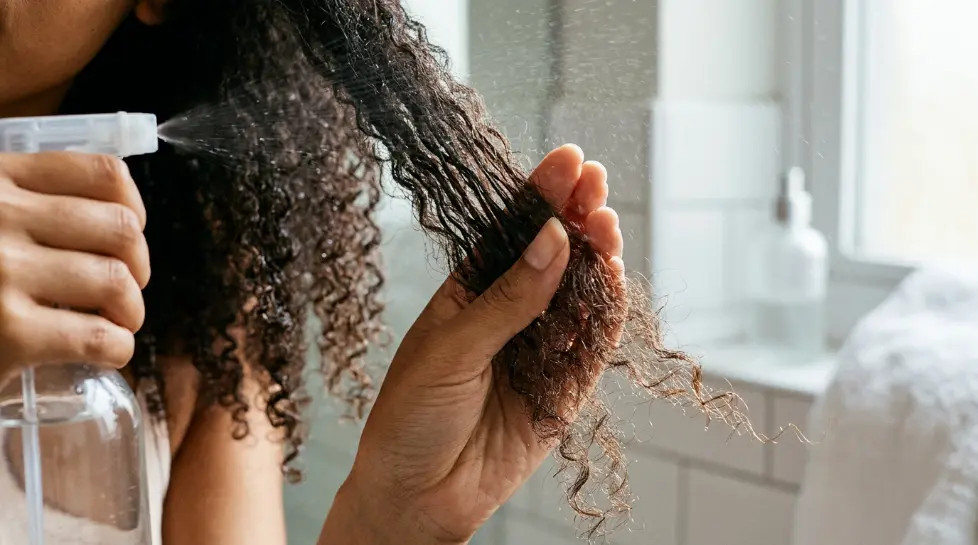
Rinse-out conditioner helps, but some hair needs an additional layer of protection. Without a leave-in conditioner or styling cream, moisture may escape quickly as the hair dries.
Rough detangling and towel drying
Hair can be especially vulnerable to stretching and breakage when wet. Aggressive brushing, rubbing with a bath towel, or pulling through knots can leave the surface rough and increase frizz.
Sun, chlorine, and dry weather
UV exposure, swimming, cold air, indoor heating, and low humidity can all make dryness more noticeable. Hair that is bleached, color-treated, curly, or already damaged tends to show the effects sooner.
Waiting too long between trims
Conditioners can temporarily smooth split ends, but they cannot permanently join them back together. Once splitting begins, it can travel farther up the strand and contribute to a thinner, rougher-looking finish.
Why Is My Hair So Dry After Washing?
Hair that feels worse after washing is giving you a useful clue. Your cleanser may be stronger than your hair needs, the water may be too hot, or your conditioner may not provide enough slip and softness.
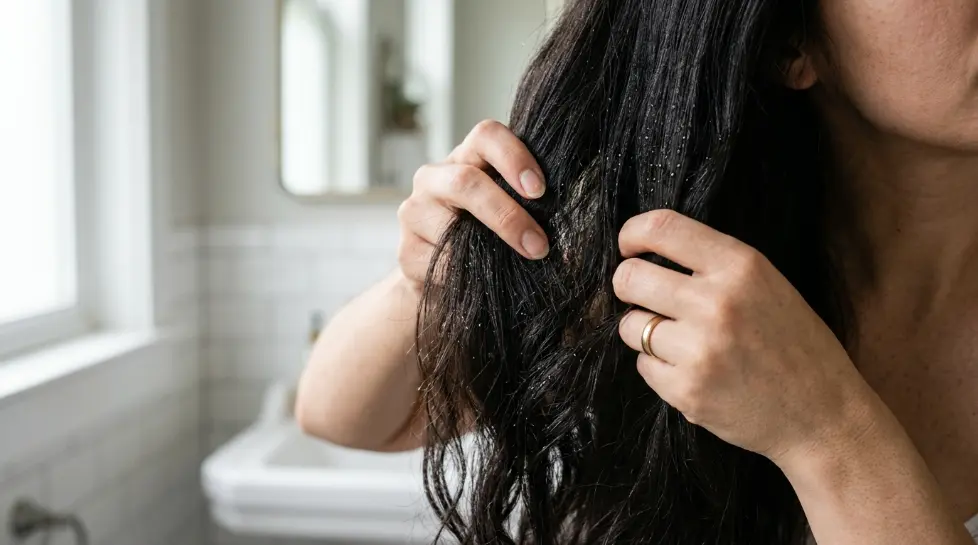
Try changing one part of your routine at a time. Start by applying shampoo only to the scalp and rinsing with lukewarm water. Follow with a conditioner designed for your hair type, concentrating it on the driest areas.
If your hair feels waxy, heavy, or dull as well as dry, buildup may be part of the problem. An occasional clarifying wash can help, but using a strong clarifying shampoo too frequently may create even more dryness.
Hard water can also leave mineral residue on hair. If you notice that your hair feels noticeably better when you travel, a periodic chelating shampoo may be worth considering. Follow it with a rich conditioner because these formulas can be drying when overused.
How to Fix Dry Hair: 7 Practical Remedies
1. Adjust the way you shampoo
Apply shampoo directly to your scalp, then massage gently with your fingertips. Avoid piling your hair on top of your head or scrubbing the ends.
When you rinse, allow the suds to move through the lengths without aggressively working them in. Use lukewarm rather than very hot water.
If your hair is coarse, curly, or consistently dry, experiment with washing less frequently. Your scalp should still be cleansed often enough to prevent uncomfortable buildup, itching, or flaking.
2. Use conditioner according to your hair type
Conditioner should make hair easier to detangle and reduce friction between strands.
For fine or straight hair, concentrate conditioner from the mid-lengths to the ends. For thick, curly, coily, bleached, or very dry hair, apply it more generously throughout the lengths while avoiding the scalp if buildup is an issue.
Give the formula enough time to spread through your hair before rinsing. Adding more product won’t always produce better results. Even distribution is usually more important.
3. Apply leave-in conditioner while hair is damp
A leave-in conditioner can help reduce tangling, frizz, and moisture loss after washing. Apply a small amount to damp hair, beginning at the ends and working upward.

Choose the texture based on your hair:
- Fine hair usually responds best to a lightweight spray or fluid.
- Medium-density hair may prefer a lotion.
- Thick, curly, or coily hair may need a richer cream.
- Damaged ends can benefit from a lightweight serum applied over leave-in conditioner.
If your hair becomes limp or greasy, use less product rather than skipping leave-in care entirely.
4. Add a deep conditioning treatment
Use a deep conditioning treatment when regular conditioner no longer keeps your hair soft between washes. Once a week is a reasonable starting point for many people, although very fine hair may need it less frequently.
Apply the treatment primarily to the driest sections. Follow the product’s timing directions. Leaving a mask on for hours does not necessarily make it work better and may leave some hair feeling coated or overly soft.
A deep conditioner can improve softness and manageability, but it cannot reverse severe structural damage or permanently repair split ends.
5. Reduce heat without giving up styling
You don’t necessarily have to stop styling your hair. A few adjustments can substantially reduce repeated heat exposure:
- Let hair partially air-dry before blow-drying.
- Use the lowest effective temperature.
- Keep the dryer moving instead of holding it over one section.
- Apply a heat protectant before using hot tools.
- Avoid passing a flat iron over the same section repeatedly.
- Give hair heat-free days between styling sessions.
If your hair is bleached or breaking, consider pausing high-heat styling until it feels stronger.
6. Detangle and dry your hair more gently
Use your fingers or a wide-tooth comb to loosen knots, starting at the ends and gradually moving upward. Holding the section above a knot can reduce pulling at the root.
Straight hair is often easier to detangle after it has dried slightly. Curly and coily hair may be easier to detangle while wet and coated with conditioner.
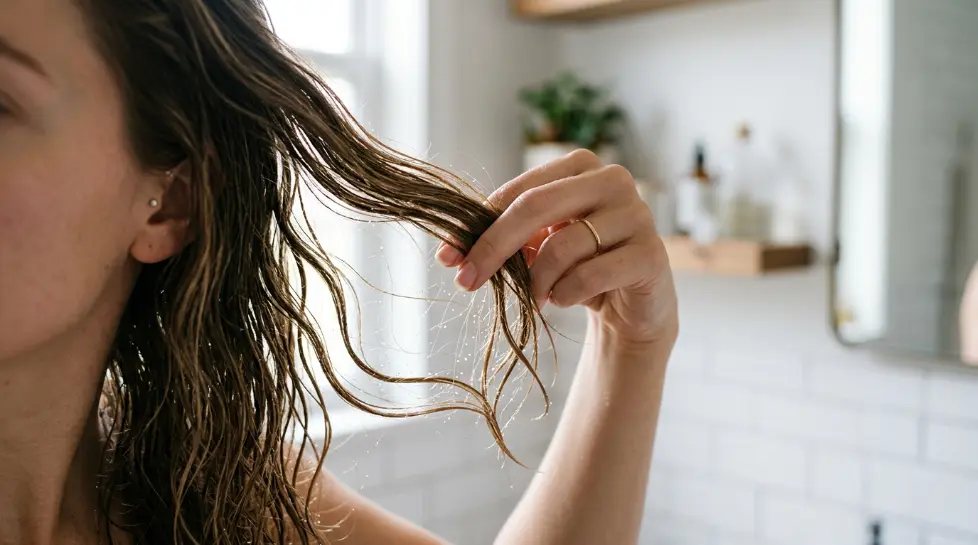
After washing, squeeze out water gently with a microfiber towel or soft cotton T-shirt. Avoid rubbing the hair back and forth with a rough towel.
7. Protect the ends and trim existing damage
The ends are the oldest part of your hair, so they usually show dryness first. Apply leave-in conditioner or a small amount of serum to this area and protect it from constant friction.
Loose braids, buns, or twists can help keep long hair from rubbing against clothing, but styles should not feel tight or painful.
If the ends remain stiff, thin, tangled, or visibly split despite conditioning, a trim may make the biggest difference. Removing damaged ends often gives hair a softer appearance faster than adding another mask.
Dry Hair Even After Conditioning: What Should You Change?
When conditioner doesn’t seem to work, first consider whether the problem is actually dryness, buildup, or structural damage.
Hair that feels greasy or coated but still rough may have too much product buildup. Hair that tangles, snaps, and has many white dots or split ends is more likely to be damaged. Hair that feels soft when wet but becomes puffy as it dries may need a leave-in product and better styling protection.
You can also check these common mistakes:
- Applying conditioner to dripping-wet hair, which may dilute it too much
- Using too little product on thick or dense hair
- Rinsing before the conditioner has been distributed
- Choosing a very light conditioner for bleached or coarse hair
- Clarifying too often
- Applying oil without first using a water-based conditioner
- Continuing frequent heat styling while trying to improve dryness
Hair oil can reduce friction and add shine, but it does not replace conditioner. Think of it as a finishing or protective step rather than your primary source of moisture.
A Simple Routine to Make Dry Hair Soft Again
You don’t need a crowded shelf of treatments. Start with a consistent routine and assess how your hair responds over several washes.
On wash day
- Cleanse the scalp with a gentle shampoo.
- Apply conditioner through the lengths.
- Detangle carefully.
- Rinse and gently remove excess water.
- Apply leave-in conditioner to damp hair.
- Add heat protectant if you plan to blow-dry or use hot tools.
- Finish the ends with a small amount of serum or oil if needed.
Once a week
Replace your regular conditioner with a deep conditioning treatment. If you swim regularly or use heavy styling products, clarify or chelate only when you notice buildup rather than automatically doing it every week.
Between washes
Protect your hair from unnecessary heat, tight hairstyles, and rough handling. Refresh dry ends with a small amount of leave-in conditioner instead of repeatedly layering heavy oils.
You can explore more practical routines in The Serenity Lab’s haircare guides.
When Dry Hair May Need Professional Attention
Make an appointment with a board-certified dermatologist or healthcare professional if the change is sudden, severe, or accompanied by symptoms such as:
- Significant shedding or bald patches
- Persistent scalp redness, pain, burning, or thick scaling
- Hair breaking very close to the scalp
- Sores, drainage, or signs of infection
- Unexplained fatigue or other physical changes
- Dryness that continues despite a gentle, consistent routine
These symptoms don’t automatically indicate a serious condition, but they deserve a closer look.
Frequently Asked Questions
Can dry hair become healthy again?
Hair that is mildly dry can often become softer and easier to manage with better conditioning and less damaging care. Severely damaged sections cannot fully restore themselves, so trimming may be necessary while healthier hair grows in.
Why is only the bottom half of my hair dry?
The ends are older and have experienced more washing, brushing, heat, sun, and friction. They may also receive less scalp oil than the hair close to your roots.
How often should I deep-condition dry hair?
Once a week is a useful starting point. Fine hair may need treatments less often, while coarse, curly, or chemically processed hair may benefit from more frequent conditioning.
Is coconut oil good for dry hair?
Coconut oil can reduce friction and improve softness for some hair types, but it may feel heavy or stiff on others. Begin with a small amount on the lengths and stop using it if your hair feels coated.
Why does my hair feel like straw?
A straw-like texture can result from bleach, excessive heat, harsh shampoo, chlorine, mineral buildup, or inadequate conditioning. If the ends are also splitting and breaking, damage is likely contributing.
How long does it take to fix dry hair?
You may notice improved softness after the first few washes with a better routine. Reducing breakage and growing out significant chemical or heat damage takes longer because damaged hair must gradually be trimmed away.
Final Takeaway
If your hair feels dry no matter how much conditioner you use, look at the entire routine rather than one product. How you wash, dry, detangle, style, and protect your hair all affect how soft it feels.
Begin with gentler shampooing, consistent conditioning, a leave-in product, and less heat. If the ends remain rough or split, trim the damaged portion instead of trying to disguise it indefinitely. Small, consistent changes usually do more for dry hair than an occasional intensive treatment.