
Honey brown hair brings a golden warmth to brunette hair without needing to take the whole color blonde. It can look like a rich brown with a soft honey reflection or a deeper base with lighter ribbons through the lengths. How much brown you keep makes a noticeable difference.
- Honey Brown Hair Ideas at a Glance
- 1. Classic Honey Brown Hair
- 2. Dark Honey Brown Hair
- 3. Honey Brown Balayage
- 4. Chocolate Honey Brown Hair
- 5. Caramel Honey Brown Hair
- 6. Honey Brown Babylights
- 7. Face-Framing Honey Brown Hair
- 8. Honey Brown Ombré
- What Is Honey Brown Hair?
- How to Choose Your Honey Brown Shade
- Honey Brown vs. Caramel Brown vs. Honey Blonde
- Does Honey Brown Hair Need Bleach?
- Make the Placement Fit Your Haircut
- What to Ask for at the Salon
- Keeping Honey Brown Hair Looking the Way You Want
- Common Honey Brown Hair Color Mistakes
- Choosing Only From the Shade Name
- Confusing Warmth With Lightness
- Removing Too Much Brown
- Ignoring the Root Area
- Comparing Only Curled Salon Photos
- Expecting One Formula to Match Every Starting Color
- Conclusion
- Frequently Asked Questions
The shade is only part of the decision. Fine highlights create a different effect from bright ends, even when both are described as honey brown. You might want a little warmth around your face, a lighter overall brunette, or golden pieces that become more visible when your hair moves.
These eight honey brown hair color ideas cover subtle changes and more noticeable contrast. Start with the depth you want, then consider the tone and placement that fit how you usually wear your hair.
Honey Brown Hair Ideas at a Glance
| Hair color idea | Main tones | Suggested placement | Overall effect |
|---|---|---|---|
| Classic honey brown | Medium brown and warm gold | Blended throughout | An evenly warm brunette |
| Dark honey brown | Deep brown and muted honey | Subtle ribbons or a warm overall tone | Rich brunette with restrained brightness |
| Honey brown balayage | Brown and golden honey | Mid-lengths and ends | Gradual brightness through the lengths |
| Chocolate honey brown | Chocolate brown and honey | Selected sections throughout | A deep base with golden dimension |
| Caramel honey brown | Brown, caramel, and gold | Blended highlights | A richer, warmer combination |
| Honey brown babylights | Brown and delicate honey tones | Very fine woven sections | Soft, scattered brightness |
| Face-framing honey brown | Brunette and golden honey | Around the face | More visible color at the front |
| Honey brown ombré | Darker brown and lighter honey | Lower lengths and ends | A clearer transition toward lighter ends |
These names describe color directions rather than fixed salon formulas. Bring reference photos and explain how light, warm, or contrasting you want the result to be.
1. Classic Honey Brown Hair
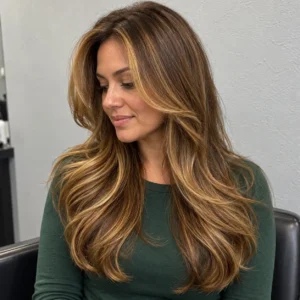
Classic honey brown combines a medium brunette base with golden warmth.
The color looks fairly consistent throughout, making it a useful reference if you prefer an overall shade rather than clearly separated highlights. Brown should still feel like the main color.
Decide whether you want a soft golden reflection or a visibly lighter brunette. Those results can look quite different beside the same natural root color.
Look at your reference in neutral daylight. Warm indoor lighting can make an ordinary brown appear more honey-toned than it really is.
Best for: An overall brunette shade with noticeable golden warmth.
2. Dark Honey Brown Hair
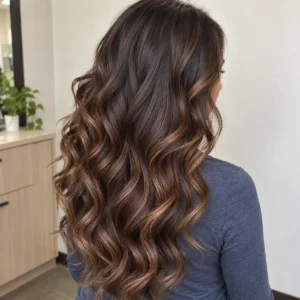
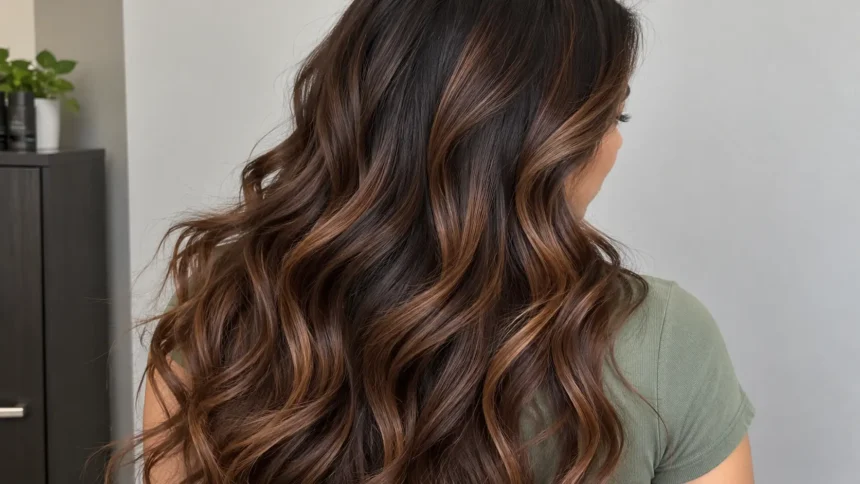
Dark honey brown keeps more depth, with honey appearing as a restrained reflection or a few carefully placed sections.
This is worth considering if you like your dark hair but want the color to feel less uniform. You can keep most of the base deep while introducing a small amount of lighter warmth.
Show your colorist how much contrast you want. Narrow, softly blended pieces give a different impression from bright golden streaks against dark brown.
Check whether you like the result when the hair is straight. Loose waves can make the lighter sections look more distributed than they appear in your everyday style.
Best for: Keeping a dark brunette appearance with a little honey detail.
3. Honey Brown Balayage
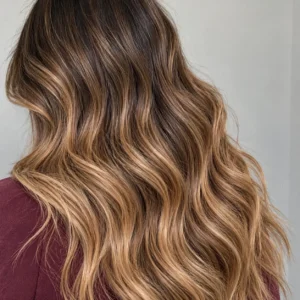
Honey brown balayage places brightness through selected mid-lengths and ends while leaving more brown near the roots.
The important detail is the blend. Some versions have just a few golden ribbons, while others contain enough lightened hair to look closer to a brunette-and-blonde combination.
Ask where the lighter sections will begin. Starting them near the cheekbones creates a different look from keeping most of the brightness below the shoulders.
Bring a back-view reference as well as a front view. This helps show how much brown you want to remain between the honey sections.
Best for: Lighter lengths with a deeper, softly blended root area.
4. Chocolate Honey Brown Hair
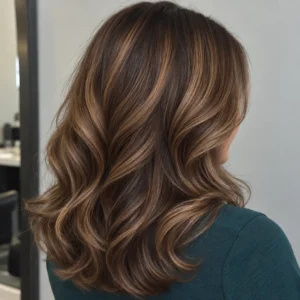
Chocolate honey brown pairs a rich brown base with golden sections that stand out against it.
Keep the chocolate visible if depth is what attracts you to this idea. Adding too many light pieces can move the overall appearance away from brunette.
Consider the size of the honey sections. Broader ribbons create visible contrast, while smaller pieces produce a more blended result.
On curly hair, discuss the placement with your curls dry and sitting naturally. You want to see where the lighter color will appear in the finished shape.
Best for: A rich brunette base with clearly visible honey dimension.
5. Caramel Honey Brown Hair
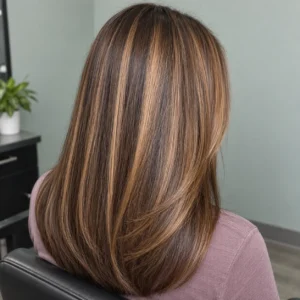
Caramel honey brown brings together golden honey and a deeper caramel warmth.
The combination can look more amber than a softly golden brunette. Decide how much of that warmth you enjoy before choosing a reference.
Compare a golden honey example with a more copper-toned one. Both may appear under similar shade names online, but they can lead your colorist toward different results.
If you prefer a balanced brunette, ask to keep enough neutral brown between the warmer pieces. Explain whether gold, caramel, or brown should be most noticeable.
Best for: A warm brunette combination with caramel depth and golden detail.
6. Honey Brown Babylights
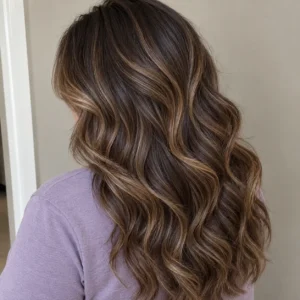
Honey brown babylights use very fine highlighted sections to spread brightness through the hair.
The individual pieces are less prominent than broad ribbons. This makes the placement useful when you want a smaller visual change.
Discuss how much of your hair will be highlighted. Fine sections placed densely throughout can still create a much lighter overall appearance.
Pay attention to the top and parting in your reference. Even delicate highlights can look noticeable there if they are significantly lighter than the base.
Best for: Fine honey highlights with a softly blended appearance.
7. Face-Framing Honey Brown Hair
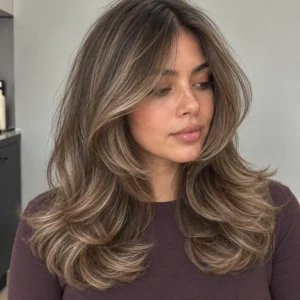
Face-framing honey brown concentrates the lighter color around the front.
A few narrow pieces can introduce warmth beside your face without changing most of your hair. A wider front section creates a stronger contrast.
Choose the brightness while looking at the color beside your complexion. You may prefer a deeper honey near your face even if you enjoy lighter ends.
Ask how the front sections will connect with the rest of the color. Check the placement with your usual parting and with your hair tucked behind your ears.
Best for: A visible honey detail around the face.
8. Honey Brown Ombré
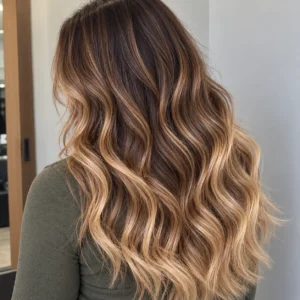
Honey brown ombré moves from a deeper brown at the top into lighter, warmer lower lengths.
It gives the ends a more obvious role than scattered highlights. The difference between the root and end colors determines how dramatic the transition feels.
Show your colorist where you want the lighter area to begin. On shorter hair, there is less space for a long, gradual blend.
Keep the end shade within a honey brunette range if you want the finished look to remain brown overall. Very pale ends can take the result closer to a blonde ombré.
Best for: Keeping depth at the roots with more brightness toward the ends.
What Is Honey Brown Hair?
Honey brown hair combines brunette depth with golden or amber warmth. The term covers a range of shades, from a deeper warm brown to a lighter brunette approaching golden bronde. L’Oréal Paris also describes honey-colored hair as a range rather than one specific shade.
It does not have to look blonde.
A medium brown with a golden reflection and a dark brunette with honey highlights can both fit the description. Explain the balance you want instead of relying on the name alone.
How to Choose Your Honey Brown Shade
Start by deciding how much brunette depth you want to keep. Then compare the warmth and placement.
| If you want | Compare these options |
|---|---|
| An evenly warm brunette | Classic honey brown |
| A subtle change to dark hair | Dark honey brown |
| More brightness through the lengths | Honey brown balayage |
| Golden detail against a rich base | Chocolate honey brown |
| A stronger caramel influence | Caramel honey brown |
| Small, finely blended highlights | Honey brown babylights |
| Brightness concentrated at the front | Face-framing honey brown |
| A visible shift toward lighter ends | Honey brown ombré |
Look at references with a starting color reasonably close to yours. A honey shade photographed on light brown hair may require a different process on dark, previously colored hair.
Your complexion can help you compare options, but it does not need to restrict you to one version. Hold warmer and more neutral references beside your face and notice which combination you prefer.
Honey Brown vs. Caramel Brown vs. Honey Blonde
These names often overlap in inspiration photos. The useful distinction is how much brown, gold, and deeper amber you can see.
| Color direction | Main visual characteristic | What to clarify |
|---|---|---|
| Honey brown | Brunette with golden warmth | How much brown should remain visible |
| Caramel brown | Brown with richer amber warmth | Whether you want a golden or more copper-influenced result |
| Honey blonde | A predominantly blonde appearance with warm gold | How light you want the overall color |
Treat these as reference descriptions, not universal shade definitions. Different brands and salons may use the same name for different colors.
If two photos have the same label but look different, explain which visual details you want from each.
Does Honey Brown Hair Need Bleach?
The name alone cannot tell you whether lightening will be needed.
Your natural depth, previous color, target shade, and the product being used all matter. Wella’s color education explains that the finished result reflects both the selected shade and the underlying pigment in the hair.
A modest change on naturally lighter brown hair is a different request from bright honey sections through dark, previously dyed lengths.
Tell your colorist about previous permanent dye, highlights, and other chemical services. Ask what process your particular reference would require and whether a strand test would help establish a realistic result.
Avoid assuming that a box labeled honey brown will reproduce its pictured shade on every starting color.
Make the Placement Fit Your Haircut
The same shades can look quite different on a bob, long layers, or a curly cut.
On short hair, pay attention to the perimeter and the front sections. A bright section near the ends can become a strong feature of the haircut.
Medium and long hair provide more space to show a gradual transition. Decide whether you want the honey scattered through the lengths or concentrated toward the bottom.
For curls, discuss the placement in the shape you usually wear. For straight hair, ask to see references without waves so you can judge how clearly the highlighted sections show.
What to Ask for at the Salon
Describe the base, tone, placement, and contrast.
For example: “I want to keep my medium brown base, with soft honey pieces through the lengths. I’d like a golden result, with enough brown left between the highlights.”
If you prefer a darker version, explain that too: “I want my hair to stay mostly deep brown, with a few muted honey ribbons that are visible when the hair moves.”
Bring two or three useful references. Identify the root depth you like, the warmth you want, and where you would like the lighter sections to begin.
It also helps to show a reference that is too light, too coppery, or too heavily highlighted. That gives your colorist a clearer picture of your preferences.
Keeping Honey Brown Hair Looking the Way You Want
Ask your colorist what changes to expect between appointments. Your natural roots, colored base, and highlighted sections may need different kinds of attention.
Use a cleansing and conditioning routine appropriate for your color service and hair condition. Follow product directions rather than assuming more frequent treatments will improve the result.
Discuss toning products before adding them to your routine. Honey brown is intentionally warm, so the goal should be to maintain your chosen balance rather than remove every golden reflection.
Plan refresh appointments around what bothers you first. That might be visible roots, a change in tone, or the contrast between the darker and lighter areas.
Common Honey Brown Hair Color Mistakes
Choosing Only From the Shade Name
Honey brown is a broad description. Use photos and explain whether you want a deep brunette, golden highlights, or an overall lighter brown.
Confusing Warmth With Lightness
You can enjoy a warm brown without wanting blonde pieces. Discuss depth and tone as separate parts of the result.
Removing Too Much Brown
A reference may appeal to you because of the contrast between brown and honey. Highlighting too much hair can lose that balance.
Ignoring the Root Area
Check how the reference looks at the parting and crown. A deep root blend and highlights beginning near the scalp create different appearances.
Comparing Only Curled Salon Photos
Styled waves can emphasize ribbons and hide sharper transitions. Include references that resemble your everyday texture.
Expecting One Formula to Match Every Starting Color
Previously colored lengths and natural roots may respond differently. Give your colorist a clear history before planning the change.
Conclusion
Honey brown hair can be an evenly warm brunette or a deeper base with selected golden pieces. Classic honey brown keeps the color consistent, balayage adds brightness through the lengths, and face-framing highlights concentrate the change at the front.
Choose the depth first, then decide how much warmth and contrast you want. Clear references and a discussion about your starting hair make the final result easier to plan.
Frequently Asked Questions
What color is honey brown hair?
Honey brown hair is brunette hair with golden or amber warmth. It can range from a deep warm brown to a lighter golden brunette.
Is honey brown hair warm or cool?
Honey brown generally describes a warm color. You can ask for a more balanced version with less intense gold, but an ash-dominant shade will create a different effect.
Can honey brown hair work on dark hair?
Yes, although the process depends on how light and visible you want the honey sections to be. Discuss your starting depth and previous dye before choosing the result.
Is honey brown the same as caramel brown?
The names overlap, but honey brown usually suggests golden warmth, while caramel references often show deeper amber tones. Compare photos rather than relying on the labels.
Can honey brown hair suit fair skin?
Yes. Compare different brown depths and amounts of gold beside your face. Fair skin can have different undertones, so there is no single honey shade for everyone.
Which honey brown idea looks the most subtle?
Dark honey brown with restrained warmth or a few fine honey highlights can keep the overall appearance mostly brunette. The contrast with your starting color matters as much as the technique.
Can I get honey brown hair without coloring all my hair?
Yes. Babylights, balayage, face-framing pieces, or lighter ends place the honey color in selected areas.
Can I create honey brown hair at home?
Some modest changes may be achievable with a product suited to your starting hair. Previous dark dye, uneven color, and larger changes make the process more complicated. Follow all product instructions and required testing, and seek professional guidance when the process is uncertain.
Our Editorial Approach
Beauty and self-care information should be clear and easy to use. Our goal is to help you understand your options and make more informed choices about your everyday routine.
Our articles are for educational purposes only and do not replace advice from a qualified healthcare professional.