

Bronze eyeshadow is an easy choice when you want a little color on your lids without working through a whole palette. Blend it at the edges, add mascara, and you have an everyday look that works with a rosy balm or a stronger lipstick.
- Makeup Looks for Brown Hair Blue Eyes at a Glance
- 1. Soft Bronze Eyes
- 2. Peach Blush and Brown Mascara
- 3. Champagne Lids With a Fine Brown Wing
- 4. Matte Taupe Eyes
- 5. Smudged Chocolate Liner
- 6. Rose-Gold Shimmer
- 7. Soft Plum Eyes
- 8. Red Lips With Simple Eyes
- 9. Barely-There Everyday Makeup
- 10. Soft Copper Evening Eyes
- How to Choose Colors for Brown Hair and Blue Eyes
- Adjust the Look to Your Skin Tone
- Make the Eye Makeup Fit Your Eye Shape
- Common Makeup Mistakes to Avoid
- Choosing the Whole Face by Eye Color
- Making the Brows Darker Than Intended
- Blending the Darkest Shade Too Far
- Using Too Much Shimmer at Once
- Judging Everything Close to the Mirror
- Final Takeaway
- Frequently Asked Questions
With brown hair and blue eyes, warm browns, copper, and peach are useful colors to try, but you don’t have to build every look around your eye color. Taupe can give you quieter shading, plum adds color close to the lashes, and a red lip lets you keep the eyes simple.
These 10 looks give you a few ways to change your makeup without changing the whole routine. Choose one you like, then adjust the depth, finish, and amount of color to suit your face.
Makeup Looks for Brown Hair Blue Eyes at a Glance
| Makeup look | Main colors | Main detail | Overall effect |
|---|---|---|---|
| Soft bronze eyes | Bronze, brown, and rosy beige | One blended eyeshadow | Warm and softly defined |
| Peach blush and brown mascara | Peach-pink and brown | Cheek color | Fresh and lightly defined |
| Champagne lids and a fine wing | Champagne and brown | A narrow outer flick | Reflective with a clean outline |
| Matte taupe eyes | Taupe and muted rose | Soft shading | Quiet and understated |
| Smudged chocolate liner | Chocolate and rose | Blended lash-line definition | Softly smoky |
| Rose-gold shimmer | Pink-gold and rose | A reflective lid | Warm with a pink-gold tint |
| Soft plum eyes | Muted plum and pink | Color near the lashes | Defined without a dark smoky eye |
| Red lips and simple eyes | Red and neutral brown | A clear lip color | Classic and noticeable |
| Barely-there everyday makeup | Sheer rose and neutral tones | Concealer, brows, and balm | Light and relaxed |
| Soft copper evening eyes | Copper and chocolate | Warm lids with deeper outer corners | Richer with more definition |
The shades are starting points. A light layer and full coverage can give the same color a very different appearance.
1. Soft Bronze Eyes

A single bronze eyeshadow is enough for this look. Choose a shade with a soft sheen if you want reflection without obvious glitter.
Sweep it over the lid, then blend the upper edge with a clean, fluffy brush until there’s no distinct line. Keep the color sheer at first and build it near the lashes where you want more depth.
Finish with brown mascara and rosy-beige lipstick or balm. Leave the crease alone if the bronze already gives you enough shading.
A lighter golden bronze looks more reflective, while a brown-bronze gives a deeper finish.
Best for: An everyday look using one eyeshadow.
2. Peach Blush and Brown Mascara

Keep the lids simple and let the blush do most of the work.
Place a small amount of peach-pink blush on the fuller part of the cheeks, then blend outward and slightly upward. Begin with less than you think you need; you can add another light layer once the edges are blended.
A pink-forward peach gives a rosier finish. A shade with more orange brings clearer warmth, so try both if your first choice looks too peachy.
Add brown mascara and a sheer lip color with a similar pink or peach tone.
Best for: Fresh cheek color with minimal eye makeup.
3. Champagne Lids With a Fine Brown Wing

Champagne shadow adds a light reflection while brown liner gives the eye a defined edge.
Apply a thin layer to the movable lid-the part that folds when you open your eyes. If pale champagne looks too white for your preference, try beige-gold or a deeper champagne.
Draw a fine line along the upper lashes and extend it into a short flick. With your eyes open and your face relaxed, mark where you want the flick to finish before joining it to the lash line.
Use pencil for a softer edge or liquid liner for a sharper one.
Best for: A simple eye look with shine and structure.
4. Matte Taupe Eyes
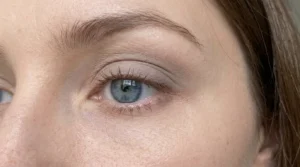
Matte taupe gives you shading without a metallic finish.
Brush a light layer across the lid and blend it through the outer crease if you want extra depth. Use a smaller brush to press a little of the same shade along the upper lashes.
Taupe can lean gray, brown, or slightly purple. If a gray version looks flat or ashy on your skin, try a browner shade at a similar depth.
Pair it with muted rose blush and a lip color you already enjoy wearing.
Best for: Soft definition without shimmer.
5. Smudged Chocolate Liner

This look gets its smoky effect from the liner, so you can leave the lids bare or use a sheer neutral shadow.
Draw chocolate pencil close to the upper lashes in short sections. Soften the edge with a small brush before the pencil sets, keeping the line narrow toward the inner corner.
For lower-lash definition, smudge a little color along the outer third of the lower lashes. Leave it out if you prefer the eyes lighter underneath.
Finish with mascara and a sheer rose lip.
Best for: A softly smoky eye without several eyeshadows.
6. Rose-Gold Shimmer

Rose gold is a warm metallic with a pink tint.
Press a small amount onto the lid, then soften the edge with a brush. You can wear it alone or add brown pencil close to the upper lashes.
For less shine, place the shimmer only at the center of the lid over a matte shadow in a similar color. This keeps the reflection in one area.
Use soft rose blush with a pinker shadow, or peach-pink blush if the rose gold looks warmer. Keep the lip sheer if you want the lids to remain the main feature.
Best for: A rosy look with controlled shimmer.
7. Soft Plum Eyes

A plum pencil lets you try purple without covering the whole lid.
Draw a thin line along the upper lashes, then blend it lightly upward so the edge softens while the color stays visible at the lashes.
Brown-plum gives a quieter result. A violet-plum makes the purple more obvious, especially when the rest of the eye makeup stays neutral.
Add mascara, a light layer of blush, and either a rosy or neutral lip color. The pencil provides enough detail without needing a second bright shade.
Best for: Adding a small amount of color to your usual routine.
8. Red Lips With Simple Eyes

A red lip gives this look its focus, leaving you free to keep the eyes straightforward.
Apply foundation or concealer only where you want coverage. Brush the brows into place, add mascara, and use a little brown liner if you like more definition.
Choose the red by the result you want. Orange-red gives a warmer appearance, cherry red looks cooler, and brick red adds brown depth.
Apply a thin layer, blot, and tidy the edges. Add more color only where you need it. A sheer red is an option if full coverage feels stronger than you want.
Best for: A noticeable look with uncomplicated eyes.
9. Barely-There Everyday Makeup

This look focuses on the skin, brows, and lips.
Blend a little concealer over the areas where you want coverage, keeping the edges thin so they merge with the surrounding skin. You can leave the rest of the face bare.
Brush brow gel through the hairs and add pencil only where you want a little more shape. Brown hair doesn’t mean every gap needs a dark pencil.
Finish with tinted balm. A small amount of blush is optional, but there’s no need to add it if you already like the color in your cheeks.
Best for: A short routine with selective coverage.
10. Soft Copper Evening Eyes

Copper and chocolate create a deeper look than the single bronze shadow in Look 1.
Press copper onto the lid, then blend chocolate brown into the outer corner. Keep the brown concentrated near the outer lashes so it doesn’t cover the copper.
Add a thin brown line along the upper lashes and finish with mascara. If you want more depth underneath, use a small amount of chocolate shadow along the outer lower lashes.
A browner copper gives a more muted result than a bright orange-copper. Pair either with a softly defined rose or beige lip.
Best for: Warm evening makeup with extra depth.
How to Choose Colors for Brown Hair and Blue Eyes
Start with the effect you want. Warm shades such as bronze and copper are common styling choices for blue eyes, but cooler and neutral shades give you other options.
| If you want | Try these colors |
|---|---|
| Warm lids | Bronze, copper, or peach-brown |
| Quiet shading | Taupe, beige-brown, or soft chocolate |
| A little colored liner | Muted plum or navy |
| Light reflection | Champagne or rose gold |
| More attention on the lips | Red, rose, or berry |
You can change the intensity before changing the shade. A plum that feels too dark as an all-over shadow may work well as a fine line.
Adjust the Look to Your Skin Tone
Fair and Light Skin
Fair and light skin can wear soft or strong color. Sheer layers make it easier to judge how much contrast you want before building the look.
Try bronze, taupe, or rose, then add depth where you enjoy it. A bold red lip or dark liner is just as much an option as pale makeup.
Medium and Tan Skin
Bronze, copper-brown, and rose gold offer different amounts of warmth.
For blush, try peach, rose, and warm berry on the cheeks to see which finish you prefer. If champagne shadow looks paler than expected, a deeper beige-gold gives another option.
Deep Skin
Rich bronze, copper, chocolate, and plum offer different levels of color and definition.
If a shimmer looks chalky, try a deeper shade or one with less white in its base. A bright pale highlight can also be a deliberate choice if you enjoy the contrast.
A Note on Undertone
Skin depth describes how light or deep your complexion is. Undertone describes its underlying color, which may look pink, golden, peach, neutral, or olive.
Use those descriptions to help distinguish shades, then try the makeup on your skin. You don’t need to avoid a color simply because an undertone chart places it in another category.
Make the Eye Makeup Fit Your Eye Shape
Apply and assess the placement with your eyes open and your face relaxed.
- Hooded eyes: Keep liner fine if it takes up most of the visible lid. Position the outer flick with your eyes open so you can see where the fold sits.
- Monolids: Try blending color upward from the lash line, with the deepest shade closest to the lashes.
- Deep-set eyes: A little shimmer at the center of the lid is an option if you want more reflection. Keep darker shadow limited at first.
- Round eyes: A slightly extended outer line can give a longer outline if that’s the shape you want.
These are techniques to try, not corrections your eyes need. You can keep the makeup simple with blended shadow and mascara.
Common Makeup Mistakes to Avoid
Choosing the Whole Face by Eye Color
Eye-color suggestions are useful for exploring shadow and liner. Foundation still needs to match your skin, while blush and lipstick should give you the color you want.
Making the Brows Darker Than Intended
Begin with light strokes and build gradually. Filling the entire brow with a pencil as dark as your deepest hair color can create more contrast than you expected.
Blending the Darkest Shade Too Far
Keep chocolate and plum concentrated where you want definition. Blend the edge before adding more pigment.
Using Too Much Shimmer at Once
Start with a small amount. It’s easier to add reflection than remove a heavy metallic layer without disturbing the rest of the makeup.
Judging Everything Close to the Mirror
Step back and look at the whole face. A detail that seems uneven close up may already look balanced at a normal distance.
Final Takeaway
Makeup for brown hair and blue eyes can be as simple as bronze shadow and mascara or as noticeable as a red lip. Taupe keeps the shading quiet, plum adds color near the lashes, and copper gives an evening look more warmth.
Choose one detail to emphasize, build it gradually, and leave the rest as simple as you like.
Frequently Asked Questions
What eyeshadow colors work with brown hair and blue eyes?
Bronze, copper, taupe, chocolate, champagne, and muted plum are useful shades to compare. Choose the depth and finish according to how noticeable you want the makeup to be.
Is brown or black mascara better?
Brown gives a softer outline, while black creates stronger definition. Either can work with blue eyes and brown hair.
Do I have to wear warm eyeshadow?
No. Taupe, plum, rosy shades, and cooler browns offer alternatives. Warm eyeshadow is one option, not a requirement.
What lipstick should I wear with bronze eyeshadow?
Rosy beige, sheer rose, peach-pink, and red can create different effects. Compare the lipstick with the whole look rather than choosing by eyeshadow alone.
Which look is easiest for a beginner?
Start with one bronze or taupe eyeshadow, mascara, a small amount of blush, and tinted balm. Add liner later if you want more definition.
Can I wear blue eyeshadow with blue eyes?
Yes. A thin navy line or a small amount of blue shadow can give a different effect from an all-over blue lid. Try the placement and intensity you enjoy.
What should I ask a makeup artist for?
Describe the colors, coverage, and finish. For example: “Soft bronze lids, thin brown liner, lightly defined brows, and a rosy lip, with my skin still showing through the base.”
Our Editorial Approach
Beauty and self-care information should be clear and easy to use. Our goal is to help you understand your options and make more informed choices about your everyday routine.
Our articles are for educational purposes only and do not replace advice from a qualified healthcare professional.