

The same makeup bag can create a barely-there morning face, polished office makeup, or a high-impact evening look. The difference is rarely how many products you own. It comes down to placement, coverage, color, and the finish you choose.
- Popular Makeup Styles at a Glance
- 1. No-Makeup Makeup
- 2. Natural Everyday Makeup
- 3. Soft Glam Makeup
- 4. Full Glam Makeup
- 5. Dewy Makeup
- 6. Matte Makeup
- 7. Monochromatic Makeup
- 8. Classic Makeup
- 9. Romantic Makeup
- 10. Colorful or Creative Makeup
- How to Choose the Right Makeup Style
- Match the Finish to Your Skin
- Coverage and Finish Are Different
- Build Any Makeup Look Step by Step
- Common Mistakes That Change the Finished Look
- Using Too Much Base
- Treating Every Finish the Same
- Making Every Feature Equally Strong
- Copying Colors Without Considering Undertone
- Forgetting the Lighting
- Final Takeaway
- Frequently Asked Questions
Some makeup styles focus on fresh skin and softly defined features. Others rely on precise liner, sculpted cheeks, or a statement lip. You do not need to commit to one signature look forever. Your best style may change with the occasion, season, lighting, outfit, and simply how much time you have.
This guide breaks down the most wearable options, what makes each one distinct, and the basic steps required to recreate it.
Popular Makeup Styles at a Glance
| Makeup style | Skin finish | Eye makeup | Lip color | Best for |
|---|---|---|---|---|
| No-makeup makeup | Natural or satin | Minimal | Sheer or nude | Everyday wear |
| Natural makeup | Soft satin | Neutral definition | Nude, pink, or brown | Work and daytime |
| Soft glam | Smooth and softly luminous | Blended neutrals | Lined nude or muted color | Dinners and events |
| Full glam | Polished and perfected | Defined or smoky | Nude or statement lip | Formal occasions |
| Dewy makeup | Radiant | Light and fresh | Glossy or creamy | Dry or normal skin |
| Matte makeup | Shine-controlled | Defined | Matte or satin | Long days and photos |
| Monochromatic makeup | Any finish | Matching color family | Coordinated shade | Easy polished looks |
| Classic makeup | Satin | Liner and mascara | Red or neutral | Timeless occasions |
| Romantic makeup | Softly glowing | Blush, mauve, or rose | Pink or berry | Dates and celebrations |
| Colorful makeup | Flexible | Bright or graphic | Neutral or coordinated | Creative looks |
1. No-Makeup Makeup

The no-makeup makeup look is meant to make the face appear rested and even without obvious color or heavy coverage. It does not necessarily use fewer products; it uses them in smaller amounts and with softer placement.
The skin should still look like skin. Freckles, texture, and natural dimension remain visible rather than being covered completely.
How to Create It
- Apply a lightweight moisturizer and sunscreen.
- Use skin tint or concealer only where coverage is needed.
- Blend cream blush lightly into the cheeks.
- Brush the brows into place with clear or tinted gel.
- Curl the lashes and add a light coat of mascara.
- Finish with lip balm or a sheer tinted lip product.
Avoid heavily carving the brows or adding a thick layer of powder. Those details can make the rest of the minimal face look unfinished rather than intentional.
Best for: Quick mornings, casual days, and anyone who prefers light coverage.
2. Natural Everyday Makeup

Natural makeup offers more polish than a no-makeup look while keeping the colors soft and familiar. The complexion appears even, the eyes receive gentle definition, and the lips carry a wearable shade.
This is the kind of everyday makeup look that can move from work to lunch without feeling too plain or too formal.
How to Create It
- Apply light-to-medium coverage foundation or skin tint.
- Conceal around the eyes and over any areas you want to soften.
- Set the center of the face lightly with powder.
- Add neutral blush and subtle bronzer.
- Sweep taupe, tan, or soft brown shadow across the lids.
- Apply mascara and define the brows.
- Choose a nude, rose, or brown-toned lip color.
Natural does not mean colorless. Blush, bronzer, and a comfortable lip shade keep the face from appearing flat after foundation.
Best for: Work, daytime plans, appointments, and casual events.
3. Soft Glam Makeup
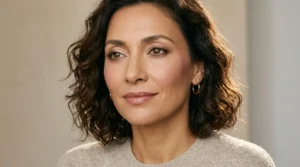
Soft glam sits between natural makeup and full glam. The skin looks polished, the eyes are carefully blended, and the features are defined without harsh lines.
Neutral brown, bronze, taupe, peach, and soft rose shades are common, but the real signature is smooth blending rather than one required color palette.
How to Create It
- Prepare the skin so foundation sits smoothly.
- Apply medium coverage and spot-conceal where necessary.
- Use bronzer or soft contour to add dimension.
- Blend two or three neutral shadows across the crease and lid.
- Add a thin liner or deepen the upper lash line with shadow.
- Apply mascara or natural-looking lashes.
- Line the lips and fill them with a coordinating nude or muted shade.
- Add highlighter only where you want a controlled glow.
Soft glam makeup should look balanced. If the eyes are smoky, keep the cheeks and lips muted. If the lip color is stronger, soften the eye makeup.
Best for: Dinners, weddings, photographs, parties, and special occasions.
4. Full Glam Makeup
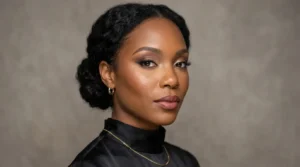
Full glam is intentionally visible. It often includes fuller coverage, sculpted cheeks, defined brows, layered eye makeup, false lashes, and a carefully shaped lip.
The goal is not to make makeup disappear into the skin. It is to create a complete, high-impact look that holds its definition under evening lighting or in photographs.
How to Create It
- Begin with skin preparation suited to your foundation.
- Apply foundation evenly and build coverage only where needed.
- Conceal and set areas likely to crease or become shiny.
- Shape the face with bronzer or contour.
- Layer eye shadows for depth and dimension.
- Add liner, mascara, and false lashes if desired.
- Apply blush and controlled highlighter.
- Define the lip line before adding lipstick.
- Use setting spray to bring the layers together.
Full glam does not require excessive product everywhere. Thin, well-blended layers usually sit better than one heavy coat.
Best for: Formal events, stage makeup, evening photography, and celebrations.
5. Dewy Makeup

A dewy makeup look gives the skin a fresh, light-reflective finish. The glow should appear concentrated on the high points of the face rather than looking equally shiny everywhere.
Cream and liquid products usually create this effect more easily than layers of powder. Skin preparation also matters because foundation cannot look smooth and luminous over dry, flaky areas.
How to Create It
- Apply moisturizer and allow it to settle.
- Use a hydrating primer only if your makeup needs one.
- Choose a luminous or natural-finish base.
- Add cream blush and liquid or cream bronzer.
- Powder only the areas that crease or become excessively shiny.
- Tap a subtle highlighter over the cheekbones.
- Finish with a comfortable gloss or creamy lipstick.
If your skin becomes oily, keep the glow around the outer cheeks while lightly setting the forehead, nose, and chin.
Best for: Normal-to-dry skin, fresh daytime looks, and softly lit events.
6. Matte Makeup
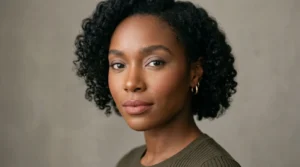
Matte makeup controls visible shine and creates a smooth, velvety skin finish. Modern matte makeup does not need to look dry or flat. The face can still have dimension through blush, bronzer, and carefully placed color.
The success of this style depends on using enough powder for longevity without removing all natural movement from the skin.
How to Create It
- Moisturize without leaving a slippery layer.
- Apply a matte or natural-matte foundation in thin layers.
- Use concealer only where additional coverage is necessary.
- Set the T-zone and other oily areas with a fine powder.
- Add matte blush and bronzer.
- Define the eyes with neutral shadow and mascara.
- Finish with a satin or matte lip color.
Using more powder is not always the answer when makeup separates. Excess product can collect around texture and fine lines.
Best for: Oily skin, humid days, long events, and flash photography.
7. Monochromatic Makeup
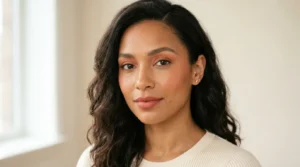
Monochromatic makeup uses one color family across the eyes, cheeks, and lips. Peach, rose, bronze, berry, and terracotta are especially easy to coordinate.
The shades do not need to match exactly. They only need to share a similar undertone so the face feels connected.
How to Create It
- Choose a color family that complements your complexion.
- Apply a light version of that shade to the eyes.
- Blend a coordinating blush into the cheeks.
- Choose a lip color from the same family.
- Add neutral mascara and brow definition.
- Keep highlighter and contour understated.
A single cream product may work on more than one part of the face, but use it only where the label says it is safe to apply.
Best for: Quick coordinated looks, travel, and minimal makeup bags.
8. Classic Makeup

Classic makeup usually combines even skin, softly defined eyes, shaped brows, and a deliberate lip color. A clean liner with red lipstick is the most recognizable version, but the style can also be adapted with a neutral lip.
This look works because the elements are precise without being crowded. The cheeks support the eyes and lips rather than competing with them.
How to Create It
- Apply a natural or satin-finish base.
- Set only where needed.
- Add a restrained blush in a flattering tone.
- Apply neutral shadow across the lid.
- Draw a clean line close to the upper lashes.
- Add mascara and tidy the brows.
- Finish with red, berry, rose, or polished nude lipstick.
Take your time with the lip line and eyeliner. Because the rest of the makeup is simple, uneven edges become more noticeable.
Best for: Dinner, work events, formal occasions, and timeless photographs.
9. Romantic Makeup
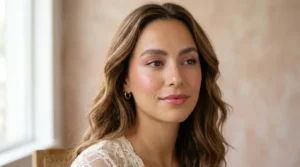
Romantic makeup uses soft colors, blurred edges, and a fresh complexion. Rose, mauve, pink, plum, and soft champagne shades create the mood without requiring a specific skin finish.
The eyes are defined but not sharply graphic. Blush is usually more noticeable than contour, and the lips look soft rather than heavily sculpted.
How to Create It
- Apply a natural-finish foundation or skin tint.
- Blend rose or mauve shadow softly around the eyes.
- Add brown liner close to the lashes.
- Apply mascara without making the lashes overly heavy.
- Blend blush slightly higher across the cheeks.
- Choose a pink, rose, berry, or softly blurred lip.
- Add a small amount of highlighter if desired.
Best for: Dates, weddings, daytime parties, and special photographs.
10. Colorful or Creative Makeup
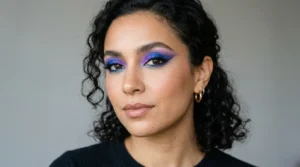
Colorful makeup places the focus on an unexpected eye shadow, bright liner, contrasting lip, or graphic shape. It can be dramatic, but it does not have to involve every feature at once.
A single cobalt liner or lavender lid can feel more modern and wearable than several bright colors competing across the face.
How to Create It
- Decide which feature will carry the color.
- Keep the complexion as light or polished as the occasion requires.
- Apply an eye primer if the shadow tends to crease or fade.
- Build bright pigment gradually.
- Clean the edges with a small brush or cotton swab.
- Keep the remaining makeup coordinated and intentional.
- Check the finished look in natural light.
Use products only in areas where they are approved. A pigment sold for the cheeks or lips may not necessarily be suitable around the eyes.
Best for: Festivals, parties, creative shoots, and anyone who enjoys experimenting.
How to Choose the Right Makeup Style
Start with the occasion, but do not let it make the entire decision. Your comfort matters too.
For a regular workday, natural makeup, monochromatic makeup, or a no-makeup makeup look is usually easy to maintain.
For a wedding or evening dinner, soft glam provides definition without looking overly theatrical. Full glam works when you want the makeup to remain strong under formal lighting and in photographs.
For a long, warm day, choose the finish according to how your skin behaves. Strategic powder may be more useful than forcing an entirely matte face. If the skin is dry, a satin or softly dewy base may remain more comfortable.
For an event where you want to try something different, begin with one detail: a stronger lip, colorful liner, brighter blush, or a more defined lash line. You do not need to change every part of your routine at once.
Match the Finish to Your Skin
Your preferred aesthetic matters, but so does the way products sit on your complexion.
Dry Skin
Begin with comfortable skin preparation and avoid building too much powder over dry areas. A satin or softly dewy base usually looks fresher than a very flat matte finish.
Oily Skin
You can still wear luminous makeup. Keep glow products around the outer cheeks and set the forehead, nose, and chin where shine tends to break through first.
Combination Skin
Treat different areas separately. Powder the center of the face while leaving the cheeks more natural.
Textured Skin
Heavy foundation and intense highlighter can emphasize texture. Thin coverage, softly diffused light, and restrained shine usually create a smoother-looking result.
Coverage and Finish Are Different
Coverage describes how much of the natural skin remains visible. Finish describes how the surface reflects light.
A foundation can offer full coverage with a luminous finish, or light coverage with a matte finish. Separating these two choices makes it easier to find makeup that actually suits you.
If you like seeing your freckles but dislike shine, try a light-coverage matte or satin base. If you want more coverage without a flat appearance, choose a medium-to-full foundation with a natural or radiant finish.
Build Any Makeup Look Step by Step
A dependable order makes experimenting with makeup styles much easier.
- Prepare the skin. Apply moisturizer and sunscreen, then allow them to settle.
- Even the complexion. Use foundation, skin tint, or concealer according to the coverage you want.
- Add dimension. Apply blush, bronzer, or contour in light layers.
- Define the brows. Fill only the areas that need more shape.
- Style the eyes. Add shadow, liner, and mascara based on the chosen look.
- Choose the lip. Balance its depth with the eye makeup.
- Set strategically. Powder or spray only where it helps the makeup wear better.
- Check the balance. Look at the entire face instead of judging one feature close to the mirror.
You can change the order when using particular formulas. Cream products, for example, often blend most easily before a heavy layer of powder.
Common Mistakes That Change the Finished Look
Using Too Much Base
Foundation should support the chosen style, not cover the face automatically. Build coverage where needed and leave the more even areas lighter.
Treating Every Finish the Same
Dewy makeup needs controlled glow, while matte makeup still needs dimension. Applying one texture everywhere can make either style look unbalanced.
Making Every Feature Equally Strong
A dark smoky eye, intense contour, bright blush, and statement lip can compete. Let one or two features lead.
Copying Colors Without Considering Undertone
A shade can look completely different across skin tones. Focus on color families and adjust the depth, warmth, or coolness to suit your complexion.
Forgetting the Lighting
Makeup applied under a dim yellow bulb can look heavier in daylight. Check your base, blush, and lip color near a window whenever possible.
Final Takeaway
Makeup styles are tools, not rules. No-makeup makeup keeps the complexion natural, soft glam adds polished definition, full glam creates greater impact, and dewy or matte finishes change the way the skin reflects light.
Start with the occasion and the amount of coverage you enjoy. Then choose one feature to emphasize and keep the rest of the face in balance.
The best makeup look is not necessarily the most elaborate one. It is the style that feels comfortable, works with your skin, and still looks like you when the application is finished.
Frequently Asked Questions
What makeup style is best for beginners?
Natural makeup or a monochromatic look is a good starting point. Both use wearable colors and allow you to practice blending without needing precise liner or complicated shadow placement.
What is the difference between natural makeup and no-makeup makeup?
No-makeup makeup tries to make cosmetics nearly invisible. Natural makeup is still soft, but blush, mascara, brow definition, and lip color may be more noticeable.
Is soft glam suitable for daytime?
Yes. Use lighter eye shadow, softer lashes, and less contour to make soft glam comfortable for daytime events.
Can oily skin wear dewy makeup?
Yes. Place luminous products around the cheekbones and set areas that become oily. Dewy makeup does not require leaving the entire face unpowdered.
How do I make makeup last longer?
Prepare the skin, apply thin layers, set areas that crease or become shiny, and avoid touching the face repeatedly. Long wear depends on product compatibility as well as powder or setting spray.
Should lipstick match blush?
It does not need to match exactly, but similar undertones can make the makeup feel more coordinated. A warm peach blush generally pairs easily with warm nude, coral, or terracotta lips.
How do I know if matte or dewy makeup suits me?
Consider both your skin and your preferred finish. Matte makeup offers more shine control, while dewy makeup emphasizes freshness and light reflection. A satin finish is an easy middle ground.
Our Editorial Approach
Beauty and self-care information should be clear and easy to use. Our goal is to help you understand your options and make more informed choices about your everyday routine.
Our articles are for educational purposes only and do not replace advice from a qualified healthcare professional.